Prepaid electricity in Mbombela: buy smart and save
How the system works and how to make it work for you.
MBOMBELA – How can I get more kilowatts for my buck when buying prepaid electricity? Lowvelder looked into ways to do this. These include ensuring that your property’s rates and taxes are paid up to date, and by cutting out the middleman when acquiring prepaid electricity units. Residents should also take note of the City of Mbombela Local Municipality’s (CMLM) electricity tariff structure, which is explained in short.
Also read: Illegal electricity connections affect you
• In terms of a by-law approved in 2015, CMLM is authorised to claim 50 per cent of prepaid electricity fees pertaining to properties with rates and tax accounts that are in arrears. This is according to CMLM spokesman, Joseph Ngala.
Lowvelder previously reported that this regulation affects lessees, who end up losing money when their lessors’ rates and taxes are not paid up to date. Attorney and conveyancer Donny Doncaster urges property owners to ensure that their municipal fees are paid prior to the seventh of each month to avoid such deductions.
Recently, a homeowner from White River was one of a handful who complained that money was being deducted from his prepaid electricity payments although his municipal fees were paid up to date. Nico McDonald demanded an explanation from the municipality. “Where does the money go if not towards arrears rates and taxes? Is someone who is not entitled to it, stealing it? Could corruption be the cause?” he asked, frustrated.
Also read: Five dangers of unsafe electricity use
Ngala said that the allegation of corruption was being taken seriously and that it is the municipality’s policy to investigate such allegations. He requested to be placed in contact with McDonald directly to handle the matter. Ngala did not confirm whether the other disgruntled residents who complained to Lowvelder had lodged complaints with the municipality as well.
According to Ngala, residents whose prepaid electricity transactions result in deductions they consider unwarranted may raise the issue with the local municipality. CMLM’s offices are located at the civic centre in Nel Street and a satellite office at The Grove in Riverside Park.
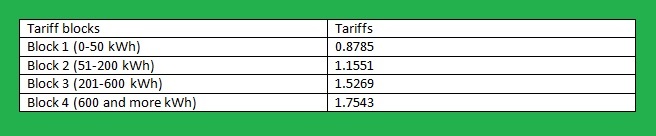
• According to the municipality’s block tariff structure, the unit price of electricity increases incrementally. The more units bought at a time, the higher the price per unit.
When 0-50 units are purchased, you pay R0,88 per unit.* The first 50 units are always priced accordingly. However, when a resident buys 51 to 200 units, he will pay a bit more (R1,16 per unit) and as soon as 200-600 units are bought, these units cost R1,53 each. From the 601st unit, buyers pay R1,75 each.
• According to the block tariff structure, a five per cent surcharge is charged when electricity is bought from a third-party vendor. Those who make the effort to buy prepaid power from the municipality will save accordingly.
- Resident Lood de Jager offered the following tips: “Ideally, prepaid electricity would be under the user’s control. If you are not the owner of the property where it is to be installed, do not install it.” Lood advises readers to refrain from buying two to three months’ electricity at a time. “Remember this: when you by two months’ prepaid electricity at once, you’ll end up paying the maximum tarriff for the second month,” he said. “You are entitled to the cheaper tarriffs in the first two blocks – use it!” Lood also explained how he saves money when buying prepaid. “If your average usage is 400 kWu and you purchase 800 kWu, you’ll pay R1.75 per kWu for the last 200 units. One can purchase two months’ electricity at R1178 or pay one month’s at R522. Done this way, you’ll spend only R1044 and save R134,” he said.
* All amounts exclude VAT.
VIDEO: Two years ago, we asked locals if they could afford the 17 per cent increase in Eskom tariffs. Are you getting by with water and electricity fees these days? Get in touch by e-mailing us at editorial@lowvelder.co.za.