Restaurants starved of heat
Mixed emotions have been received from the micro food and hospitality industry following the Eskom load-shedding crisis.
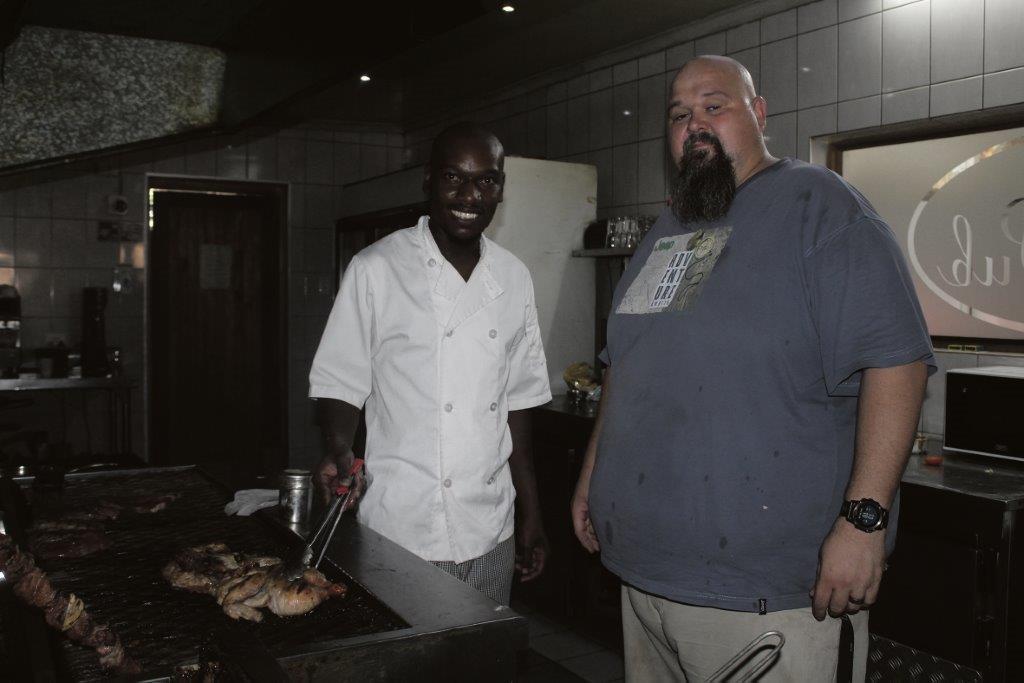
While some have had to buy inverters or generators to stay open, others had made these changes years ago. Some, however, have suffered a far worse fate.
An example of the latter is Nomsa’s Fish and Chips shop in Waterval Boven.
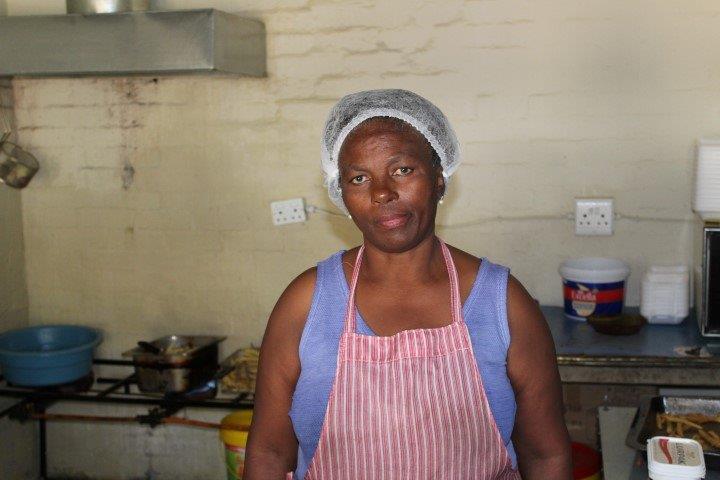
“It is not going well here. People do not want cold food,” said owner Nomsa Maduna. She explained that she needs to prepare the food beforehand and when she receives customers, the food is cold.
Because of all the customers and income I lost, I could not buy stock this week and I usually went to buy every week.
According to her, she had tried gas, “but that is too expensive”.
Maduna said she is afraid that she will have to close her shop, which is her only source of income.
Alicia Arntzen, who is the owner of Isabella’s Kitchen in White River, decided to invest in an inverter this week as not to suffer the same fate as Maduna.
Read More: Loadshedding has been downgraded to Stage 2
However, Ettienne Coetzee, owner of The Pub in Mbombela, made necessary changes to keep the doors open years ago.
The Pub got its first generator in 2008.
“All of my lights work on solar power. The heat that I convert through burning wood for my pizza oven warms the water for my bain-marie. I also have an inverter,” Coetzee said.
Read More: Wild Hogs wins the first game of the season
He said they wanted to go “off the grid” before but that it would cost them approximately R2 million.
This is something none of these businesses can afford to do. They are thus dependent on electricity.