
Research and teamwork key to protecting water resources
At a recent water conference in Mozambique, representatives from South African, Mozambique and Swaziland talked about the challenges of managing water resources. One of their conclusions was that more research and projects to curb and wipe out pollution are needed.
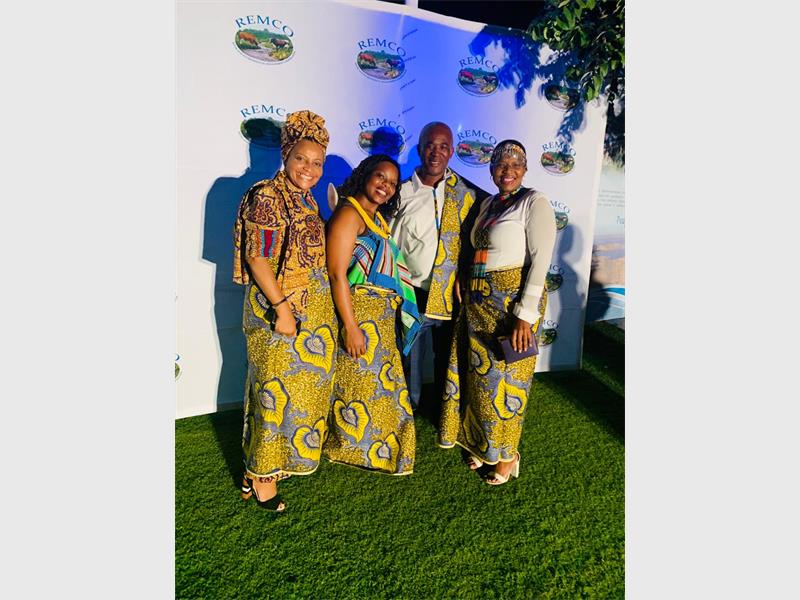
MAPUTO – More joint research projects and programmes aimed at reducing and mitigating the impact of pollution on the Inkomati and Maputo river basins are needed.
These were among the conclusions representatives of South Africa, eSwatini and Mozambique came to during the fifth International River and Environmental Management Cooperation Conference (Remco) at Matola Hotel from May 12 to 15.
The conference also included representatives from Germany and the Netherlands, who discussed the management of the Vecht transboundary river basin.
The South African Local Government Association (Salga) also participated and Decia Matumba (senior advisor: trading services in the Mpumalanga office) was nominated as a water ambassador.

These ambassadors are tasked with sharing best practices and knowledge on the importance of water conservation with relevant stakeholders.
The Remco initiative involves water management institutions in the aforementioned three countries, with the Inkomati and Maputo river basins as their primary focus.
READ: Water Wednesday: Court orders Madibeng Municipality to pay back millions for water charges
It was initiated and developed to endorse the Transboundary Water Resources Management Conference in Germany in 2009.
The Inkomati-Usuthu Catchment Management Agency (IUCMA) represented South Africa because they operate in several municipalities, including Nkomazi and the City of Mbombela.
The conference’s objective was to give institutions a platform to exchange knowledge and enhance cooperation and this year’s theme was “Dealing with water scarcity and other risks in a transboundary context”.
Topics included drought and flood management, IT in water resource management, monitoring techniques under extreme weather conditions and compliance, monitoring and enforcement.
READ: Tuesday Life Hack: 5 water hacks that can improve your health
This topic is especially relevant for Nkomazi, since farmers abstracting from the Crocodile River are restricted to 25 per cent of their allotment due to low water levels.
Representatives discussed common challenges and possible solutions, how the three neighbouring countries could work together and networked and shared experiences.
Findings include that institutions dealing with water management and conservation should work together to mitigate the impact of and reduce pollution.
Joint research projects should be undertaken to help improve decision making and water resource data that has been gathered should be shared with stakeholders.
For more information on IUCMA and their work, visit their website.


