
Mpumalanga’s top-10 unusual wildlife areas
Some of these offer the largest populations of endangered bird species in the country, and some more than 100 servals that roam freely in the vicinity of a fuel plant
Mpumalanga is known to many as the home of the Kruger National Park, but not everyone knows about these unexpected discoveries. Here are Mpumalanga’s top-10 unusual wildlife areas, as provided by the Kruger Lowveld Chamber of Business (KLCBT)
Jane Goodall Chimp Eden Sanctuary: Visit this famous and encouragingly responsible sanctuary to watch the healthy, happy rescue chimps roam, swing, scavenge, squabble and scrap in their spacious, forested enclosures.
Wakkerstroom and nearby Chrissiesmeer offer the largest populations of endangered bird species in the country. In addition to many water birds – including startlingly pink flamingos – the keen birder might be able to tick some tricky boxes, such as Rudd’s lark, Botha’s lark and the blue korhaan.
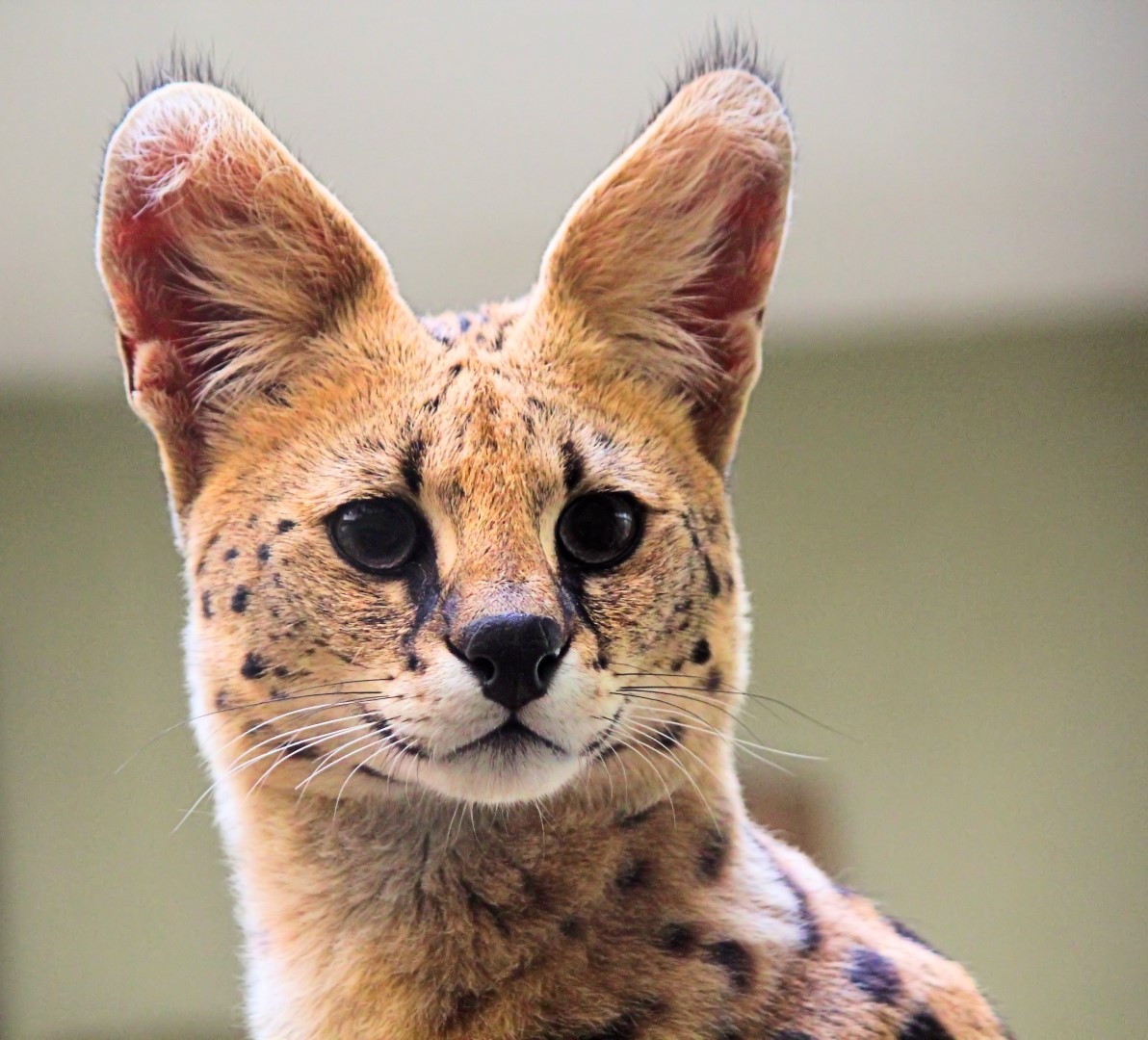
Secunda: More than 100 servals roam freely in the vicinity of the vast Sasol fuel plant, making this the highest density serval population in the world. These glorious creatures feed on the prolific local rodent population and are surprisingly habituated, but far from tame.
Blyde River Canyon: Cruise the Blyde River Poort Dam from Swadini and check out the Tufa Waterfalls. You might even get to see rare Samango monkeys. Birdlife includes the African crowned eagle, African fish eagle, African finfoot and white-backed night heron.
White River Nature Reserve: Aloe simii is endemic to this lovely 21-hectare haven, where marsh mongoose, porcupine and spotted genet also live in peaceful coexistence, right next to this attractive little country town.
Manyeleti Game Reserve: Affordable unexpected exclusivity. More than 23 000 hectares unfenced from the Greater Kruger area with the Big Five, with the freedom of doing your own thing or joining a guide and camping, using a caravan or even a self-cater unit. Manyeleti means “place of stars”. You get the picture.
Peddlar’s Bush and Saddleback Pass: Again, for the birders, Peddlar’s Bush offers uncommon species such as Knysna turaco, Narina trogon and bush blackcap. En route lies Saddleback Pass, a tiny patch of indigenous forest wedged between vast timber plantations, where among the rock-strewn, protea-rich hillsides, specials such as Cape rock thrush and jackal buzzard can be seen.
The extensive Loskop Dam is a massive 30 kilometres long and boasts a wide range of fish species including carp, bream, yellowfish and catfish as well as some rare mammals for the province including eland, blesbok and white rhino as well as wildebeest, zebra and giraffe.
Kaapsehoop: Wild horses should drag you here, and so should the lovely nature walks and wild mushrooms in the pine forests. In winter, the rocky escarpment brightens up with thousands of flowering aloes attracting the endemic Gurney’s sugarbird and Malachite sunbird. Sadly, the blue swallow, for which the area was renowned, no longer nests there, but birders will find numerous other unusual species.
Kruger National Park: Well, to leave it out would be totally unexpected, wouldn’t it? This huge and dynamic habitat is home, among other thrills, to over 1 000 leopards, 1 500 lions, 17 000 elephants and 170 000 impala, among the 148 mammal species to be seen in the two-million-hectare expanse. Not to mention 505 bird species, 25 amphibians and 118 different types of reptiles… It is, of course, one of the world’s finest and best-managed conservation areas.