Ensuring 2021 Success—The 3 eCommerce Trends South African Businesses Can’t Ignore
Let’s start by saying that the necessity to consider ecommerce as part of your business in South Africa is not new.
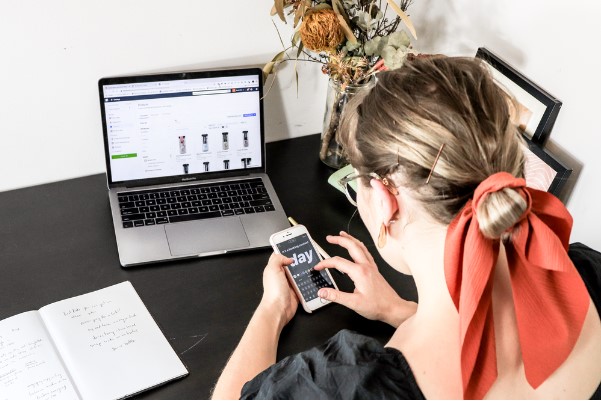
Already at the end of 2019 statistics showed that ecommerce sales tend to grow by as much as 35% each year. Even though online retail only made up 1.4% of all retail in SA during 2019, that was already a R1.4 billion mark; and you can imagine how those numbers will grow over the next few years.
This rate may be lower than in many other parts of the world, but that doesn’t mean SA brands can ignore this sales method. You’ll miss out on engaging with a large part of your audience, so rethinking your ecommerce approach should be on your 2021 business plan. It proves the value of using resources like building an app for your brand or engaging with an ecommerce agency to show you the ropes and get it right, in order to gain market share faster.
Of course, it only takes a quick online search to realise the many approaches to ecommerce, the tools you can use and the ways you can impress your future clients. But in business you can’t do EVERYTHING. So, what should you focus on? Which trends are the ones that increase your chances of success the most? The top 3 are listed below.
Catering for Mobile
First off, you need to stop viewing your online shopper as someone staring at a PC screen. It’s much likelier that they’re scrolling through options on their mobile devices.
About a third of the population—23.3 million—use SmartPhones. Apart from that there are millions more using other types of mobile devices. Comparing mobile users with desktop users, mobile has over 60% of the market share while desktop only has around 30%. This means the more you can impress via mobile, the better your ecommerce sales will become.
How do you make this a reality?
- Make sure your ecommerce site is mobile friendly. No matter what device and screen size your products are viewed on, information must be visible and buttons accessible.
- You can run a mobile friendly test to identify areas of improvement.
- Simplify the checkout process so it’s easy to navigate through via mobile.
Helping Consumers with Sustainability
For any type of business you know the importance of meeting your clients’ needs. Interestingly, it’s not only about meeting personal needs but also clients’ desire to make a difference in this world. As much as 88% of consumers would probably prioritise your brand if it’s clear you can help them reach a goal of bringing about change. This can be to help people, save the environment or taking part in a certain social issue.
The areas of involvement are vast, with a big focus on begin sustainable. You can incorporate this approach in your ecommerce business with the following ideas:
- Incorporating secondhand items in your product range, to prevent unnecessary waste; many consumers are supporting this niche in order to create a more sustainable society, making it a viable way to grow your business.
- Using biodegradable packaging.
- No longer sending paper invoices but switching to email only.
- Avoiding plastic components or packaging as much as possible
Voice Search
Once again, imagine your customers looking for products or services online. You already know they’re probably holding a mobile phone rather than a PC mouse. And they’re probably talking into its microphone—not typing—asking Google to search for information that match their needs.
There is a marked increase in people doing voice searches. Consumers type different to the way they speak, which means your content must match what people ‘say’ rather than what they ‘write’.
For SEO purposes, this calls for:
- Thorough research of the keywords you need to include, which may have changed since a few months or years ago. Some of these keyword phrases will now match how people talk.
- Rewriting content to include the voice search friendly keywords or creating new content that includes them.
- Find out what the most common questions are that people ask about your niche and provide those answers in your content, for example in an FAQ section.
- You can incorporate voice based navigation and sales flow.
This change in the market is further fueled by smart speakers that are being used in more and more households.
Whether you’re in Cape Town or Johannesburg, ecommerce is now a vital part of retail. But it’s not only about getting on the ecommerce-bus; it’s about using it correctly. These tools could be the ones that put you a step ahead of the competition.