
How can victims of crime deal with trauma?
Victims of crime need to get counselling and find ways deal with and recover from the trauma. Here are a few guidelines.
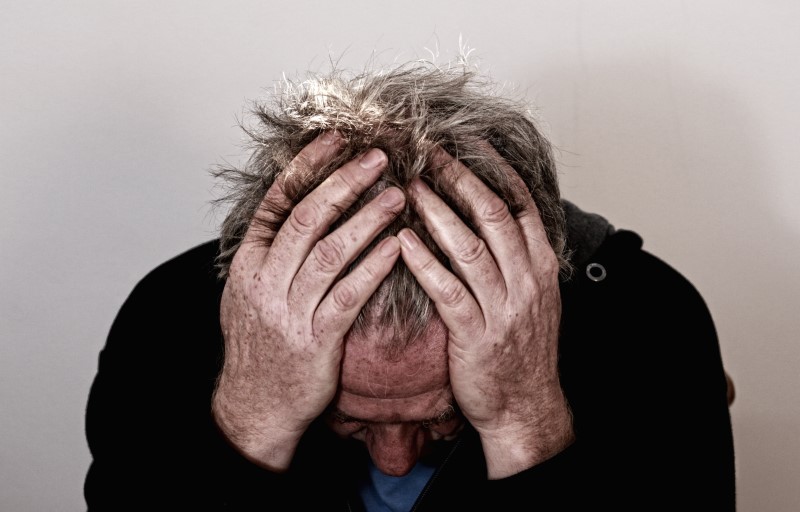
MALALANE – It is imperative that victims of crime get help and find ways to deal with the trauma.
It is also essential that witnesses and people who have been indirectly involved attend counselling, urges Agnieszka Gryn of Fidelity ADT.
Trauma presents different symptoms in different people. Crimes such as housebreaking, robbery and assault not only have an impact on the victims but also domestic staff or neighbours who witness the incident, come across the scene or rush to help.
READ: Turn your smartphone into a security camera
Dr Leanne Mandim, head of Health and Wellness Solutions for Life Employee Health Solutions, says everyone affected need to take steps to recover from the ordeal.
“Trauma can leave you struggling with upsetting emotions, flashbacks, and anxiety that won’t go away. It can also leave you feeling numb, disconnected, and unable to trust other people.
Physical symptoms such as insomnia, nightmares, fatigue, difficulty concentrating, and even muscle pain are also normal and expected. What’s most important is getting the right assistance,” she explains.
It is important to get help from an experienced professional that you feel comfortable with.
In addition to receiving counselling, you can include the following in your recovery plan:
• Exercise.
Getting your body moving burns off adrenalin and releases endorphins (the feel-good hormone). This can include walking, running, swimming or dancing and has the added benefit of exposure to fresh air.
READ: 5-minute-ab exercises you can do daily
• Live healthily.
With a healthy diet, exercise and regular sleep, your body will be better equipped to deal with the stress. If you struggle to sleep, try to go to bed and get up at the same time each day. Avoid alcohol and drugs, as this can aggravate your trauma symptoms.
READ: Trying to stay fit and healthy? These apps will assist you to reach your goals
• Relax.
Techniques like yoga, meditation or deep breathing exercises can help you feel more relaxed.
• Surround yourself with supportive people.
Do not isolate yourself, as this can lead to increased negative feelings and even depression. Make an effort to spend time with the people in your life and try not to be alone too much. Visit friends, take part in social activities and consider joining a support group. Sharing experiences with people can help a lot.
• Keep calm and breathe.
Whenever you feel agitated, anxious or overwhelmed, try to do something positive to help you calm down. Breathe deeply, listen to music, stroke your pet or go into the garden. Find out what works best for you.
According to Mandim, recovering from trauma takes time and everyone recovers at their own pace.
She explained that people should not rush the recovery process. “Suppressed or unresolved trauma can have a long-lasting effect on your work life, family life, relationships and more.
People who are supporting a trauma victim should be patient and understanding. Mandim advises them not to pressure the victims into talking, but to be available if they want to talk. Do everyday activities with them, like going shopping or joining them in doing a hobby.
Mandim’s final advice is not to take their angry, irritable or emotionally distant behaviour personally, as it could have nothing to do with your relationship.