
Classic cars share the limelight with new technologies
More than 4 000 events relating to historic vehicles take place in Germany each year.
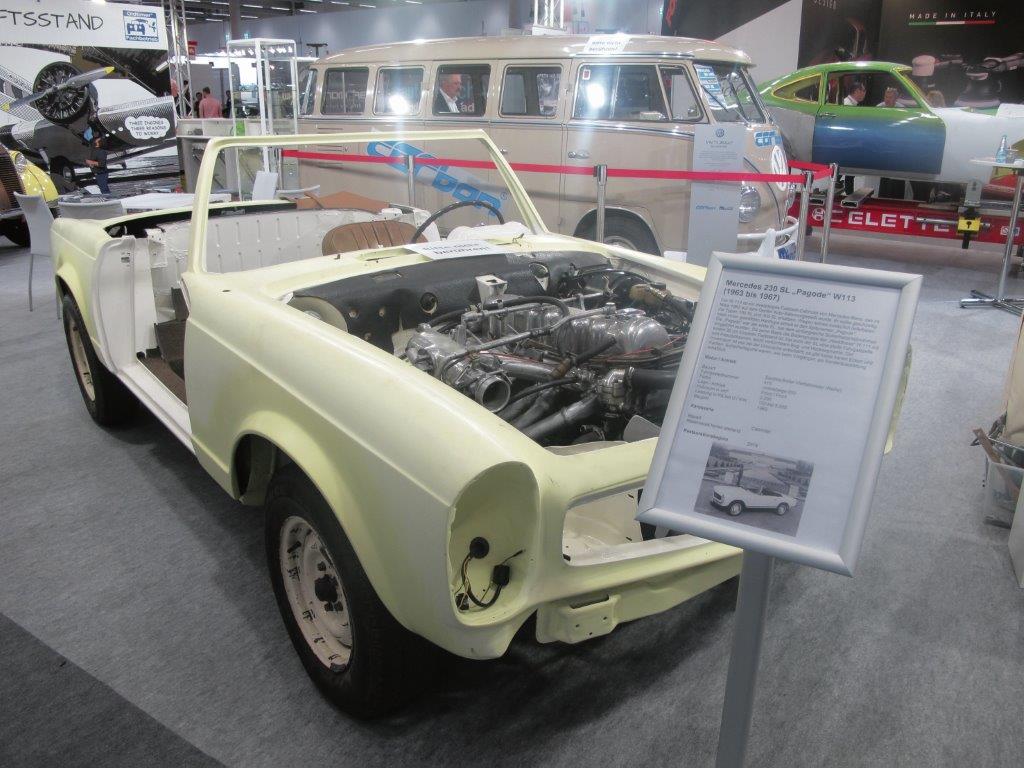
The focus was primarily on new products, innovative solutions, and future technologies at the 25th Automechanika Frankfurt, but there was a substantial amount of floor space dedicated to the past, in terms of classic cars and their support services.
It is estimated that turnover in buying, selling, restoring and maintaining classic cars in Germany totals €16 billion annually, so it is a significant business for many sectors of the automotive value chain.
ALSO READ: United by the undeniable love for vintage cars
Classic car drivers spend an average of €5 200 a year on their cars, while more than 60% of market sales in this segment represent emotionally-driven purchases, meaning that most buyers are true enthusiasts.
The first Automechanika was staged at the Messe Frankfurt venue in 1971 and the organisers of the latest trade fair have realised there is growing interest in preserving vehicles of the past.
So they provided a large area in the new Hall 12 at Messe Frankfurt for the classic cars displays.
There was not only a wide selection of magnificently restored vehicles on show, but also many booths where a wide variety of products and services for this specialist market were on offer.
ALSO READ: The Lowveld Old Wheels celebrate heritage in style
Olaf Musshoff, director of Automechanika Frankfurt, offered this explanation of the motives for involving classic cars as part of the mix at this trade fair, “We want Automechanika to be a valuable business platform for all aspects of the classic car movement, capable of providing comprehensive advice on the subject for everyone keen to repair and maintain these historic vehicles properly and professionally.
“In addition, the repair and restoration of classic cars can be a worthwhile enterprise for many automotive workshops.”
Classic, vintage, and veteran cars in Germany are estimated to total 7,8-million vehicles in Germany, or 14% of all cars on German roads, making it an attractive market for repair shop and car dealerships.
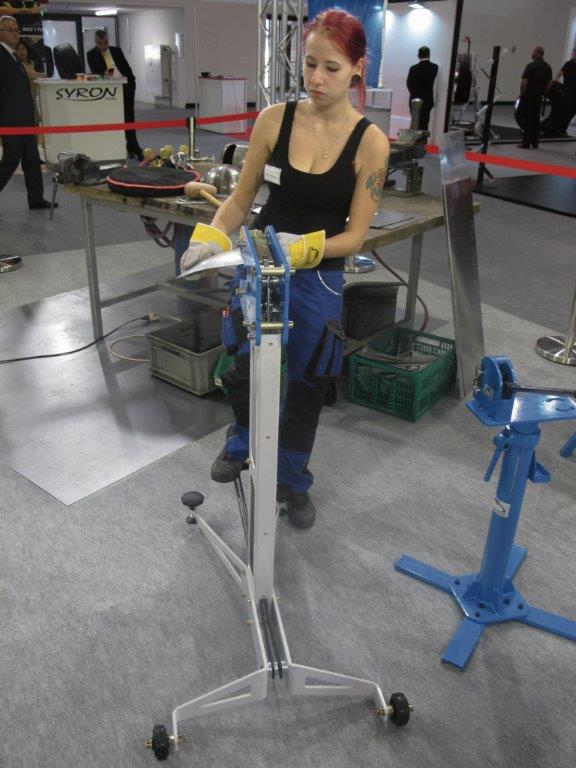
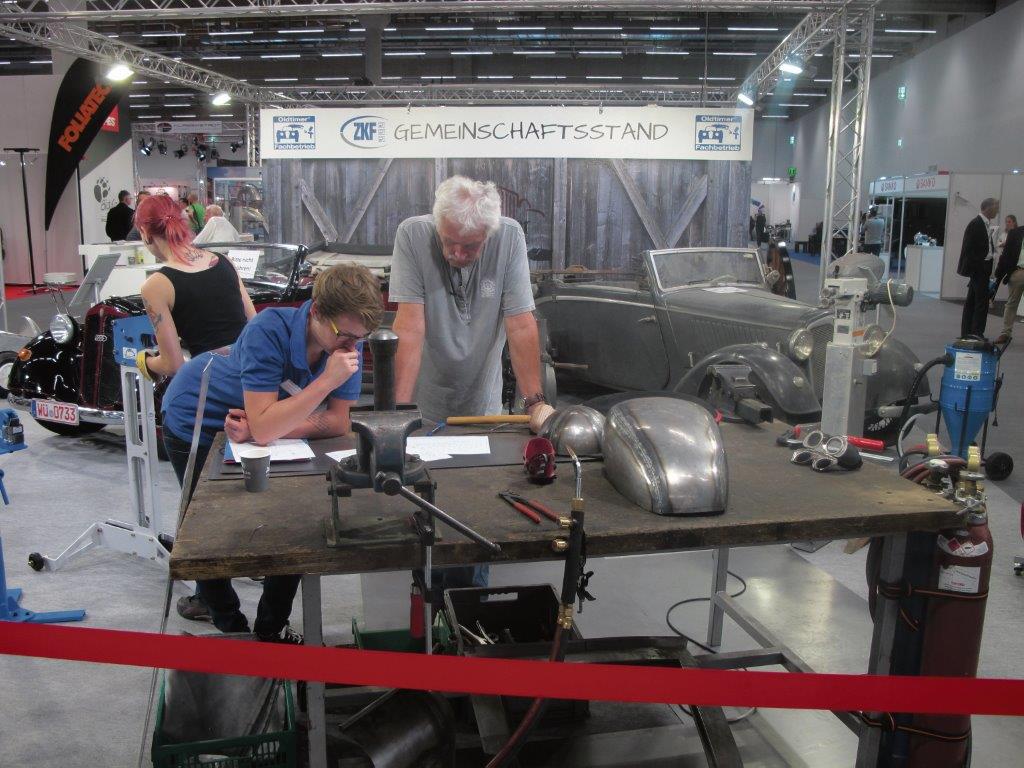
Besides the displays of products and services there were practical demonstrations and training sessions for teaching the skills required for workers in this segment of the motor business.
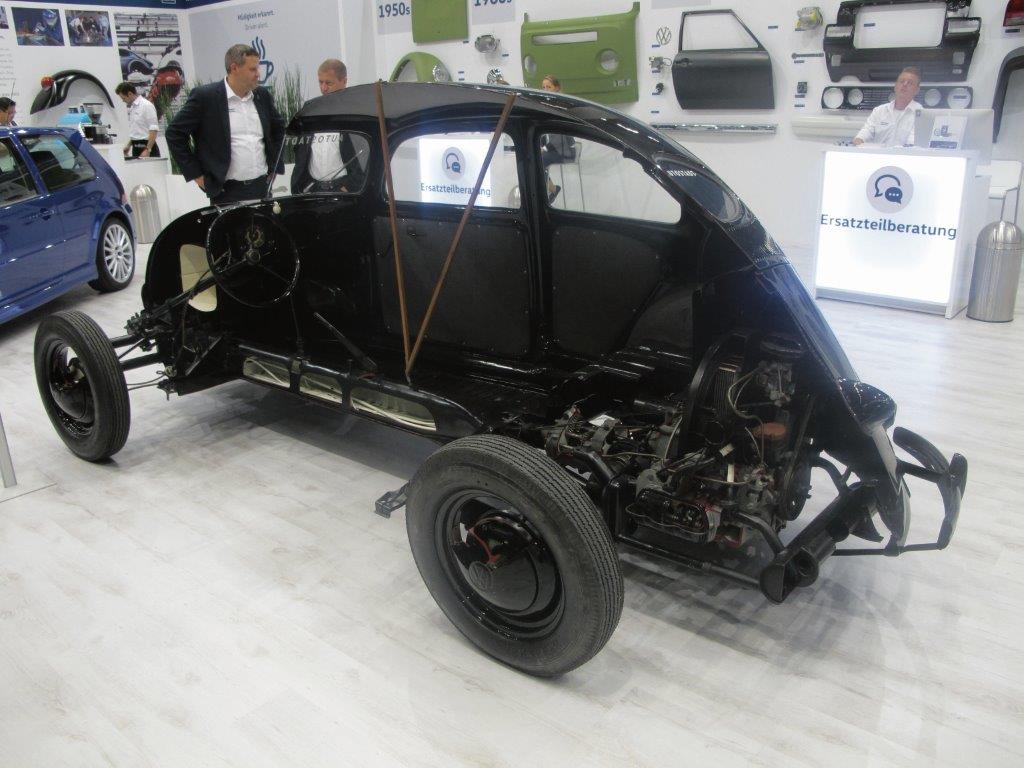
There were also presentations and panel discussions on a wide variety of topics regarding classic cars and full support for this initiative from Germany’s long-established Automobile Club.