N4 ‘killer road’ to get more policing
Fatalities on the road have decreased, but driver behaviour remains a high risk.
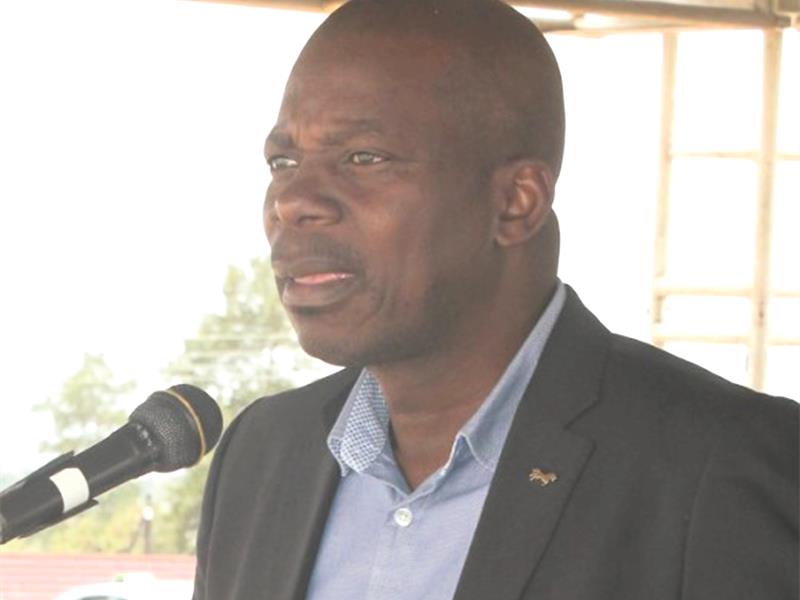
MBOMBELA – Drivers in Mpumalanga can expect a lot more traffic officers visible on the province’s identified “killer roads” as of next week.
According to MEC for community safety, security and liaison (DCSSL), Pat Ngomane, they face many challenges policing traffic on the province’s highways and in towns.
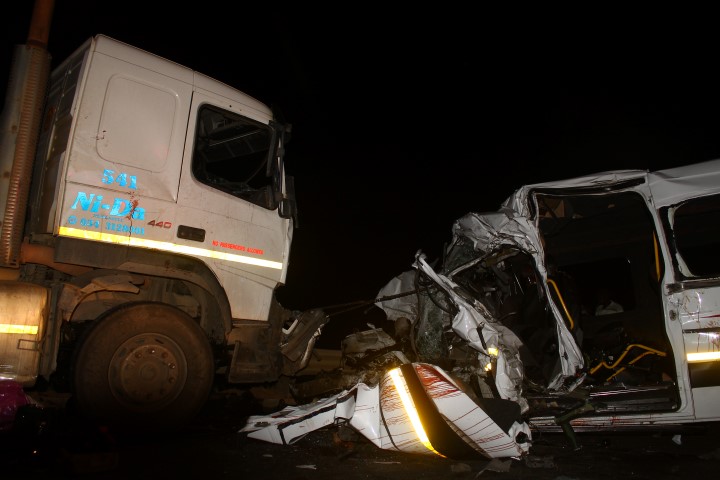
Most recently a driver, Moses Makamu, was charged with culpable homicide and drunk driving after he allegedly caused an accident which killed 15 people.
The Nkomazi victims were laid to rest over the weekend.
READ MORE: Here are the names of the victims who died on the N4
Ngomane told Lowvelder that some people change their driving behaviour when they see police and traffic officers on the road.
“It is very important that we put our resources there and put resources into awareness campaigns.”
So an increased volume of traffic officers will be placed on the identified roads as of next week.
Ngomane said they had planned the initiative to start in September already, but that it was delayed by labour negotiations. According to Ngomane, they intend to continue with the initiative indefinitely.

Their main focus will be on the N4 Toll Route. They will not be stationed in one place, but move around.
He added that it was also very important that road users take responsibility for their role in accidents.
“Some drivers act as though they are alone on the road. People, whether they are driving a car or public transport, must understand that the road has rules and they have to follow them to reduce crashes.”
ALSO SEE: Driver involved in 15-fatality accident released on bail
Solange Soares-Nicholson, communications manager for TRAC, said they observe a “great deal” of moving violations by drivers, such as overtaking on double barrier lines, in both the gorge and Schoemanskloof.
She added that many fewer fatalities are reported on the N4 Toll Route these days, despite a significant increase in traffic volumes over the past 20 years, which signifies that the road has become safer.
In a year-on-year comparison between January and September 2017 and the same period this year, the average daily traffic count in Schoemanskloof was 7 400 per day for both years.
In 2017 there were 78 accidents, of which nine resulted in 17 fatalities. This year there were 103 accidents, of which seven resulted in 10 fatalities.
For both periods the most prominent causes were loss of control and negligent driving.
In the Crocodile River Gorge 27 accidents were recorded between January and September 2017. Two fatalities were recorded. This year, in the same period (and prior to the accident on October 26), the average daily traffic count increased from 12 400 to 13 000.
A total of 24 accidents took place, of which two resulted in three fatalities. TRAC noted that the most prominent causes were negligent driving, a loss of control and sleeping.
“The gorge section is a difficult area in which to conduct law enforcement, as there is very little space in the constrained areas to pull over offenders and there is no space for traffic officials to park in these areas,” Soares-Nicholson added.
Ngomane added that he was aware of streets in all municipalities in the province where accidents were frequent.
“Each municipality has traffic officers and we are encouraging them to work with us and the SAPS to try and integrate our work so that we don’t work in silos, but work together to find solutions,” he concluded.
ALSO SEE: Victims of horror crash laid to rest