Early detection can save your life from cancer
The Prostate Specific Antigen (PSA) test determines - through a prick of the finger - whether a subject has prostate cancer or not.
South African men face a lifetime risk of prostate cancer of one in 19, according to the National Cancer Registry (2014). CANSA puts prostate cancer-related deaths at about 30 000 per year, and has noted that the number of men diagnosed with late-stage cancer is on the increase.
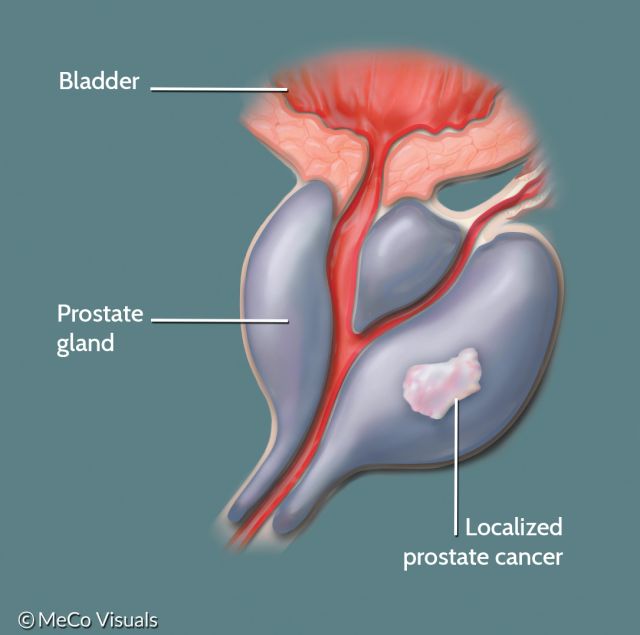
The outlook is not all bleak, as the research indicates and there are guidelines to follow which can help with early detection and treatment. The disease occurs in the small, walnut shaped gland in men which produces the seminal fluid which transports sperm.
ALSO READ: NOTICE: Barberton Mines has no vacancies
Under normal circumstances, prostate cancer grows slowly and is confined to the gland. Remember, as fearful as any man could be of having it, most enlargements of the prostate may not be cancerous. The Prostate Specific Antigen (PSA) test determines – through a prick of the finger – whether a subject has prostate cancer or not.
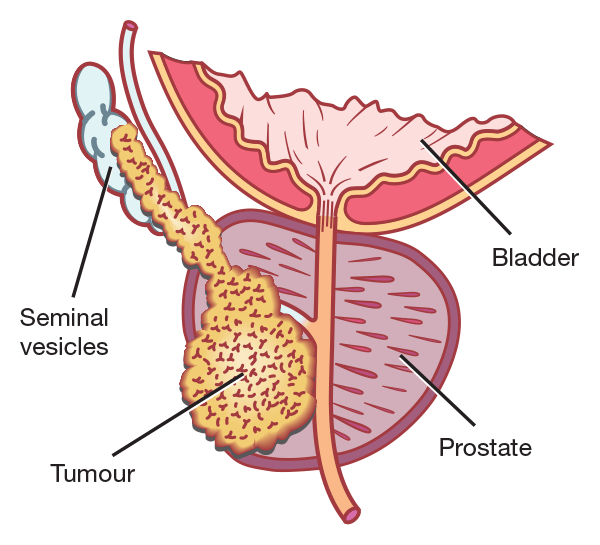
When your PSA levels are high, this indicates possible inflammation of the prostate or cancer. These tests are conducted at CANSA centres throughout South Africa and also through its mobile clinics. Regular screening from the age of 40 is a must for all men at high risk of contracting prostate cancer.
ALSO READ: Brutal murders linked to gang violence
Check your family tree to see whether a first-degree relative, a father, brother or son, had prostate cancer at an early age. This means that they would have had to be younger than 65 years old when they were diagnosed. The other test, dreaded by most men, is the digital rectal exam, which is recommended for men who are 50 years old.
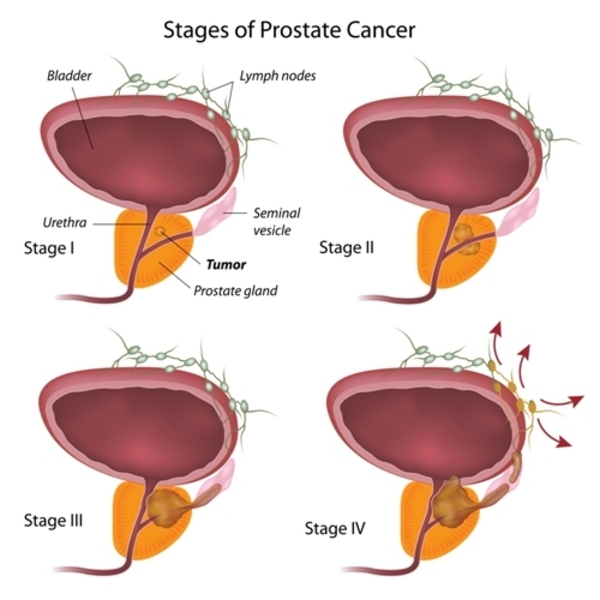
This number drops to between 40 and 45 years of age if there is a confirmed history of prostate cancer in the family. The procedure is relatively simple and involves the doctor conducting an examination through the rectum to check for the presence of prostate lumps or other abnormalities.
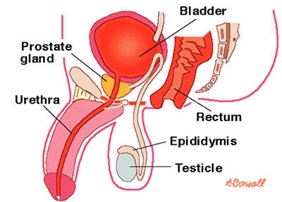
The prostate gland is located close to the bladder and urethra and warning signs usually include a number of symptoms related to urinary function.
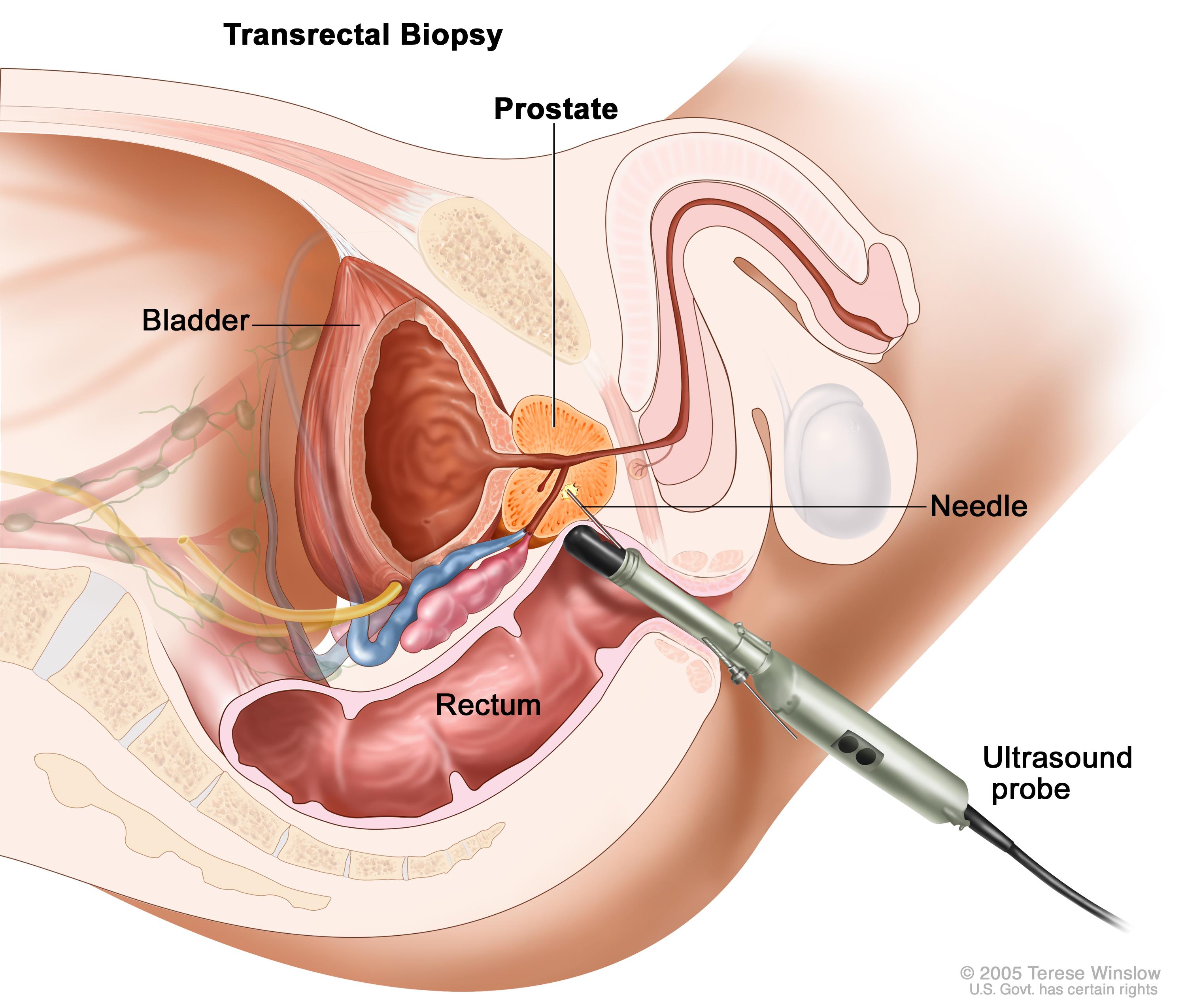
These include:
• Burning or pain during urination
• Difficulty urinating, or trouble starting and stopping while urinating
• More frequent urges to urinate at night
• Loss of bladder control
• Decreased flow or velocity of urine stream
• Blood in urine (hematuria)
•Blood in semen
• Difficulty getting an erection (erectile dysfunction)
• Painful ejaculation.