Locals can help prevent loadshedding this winter
According to the winter plan, Eskom is successful in keeping the lights on as a result of improved performance of commercial units.
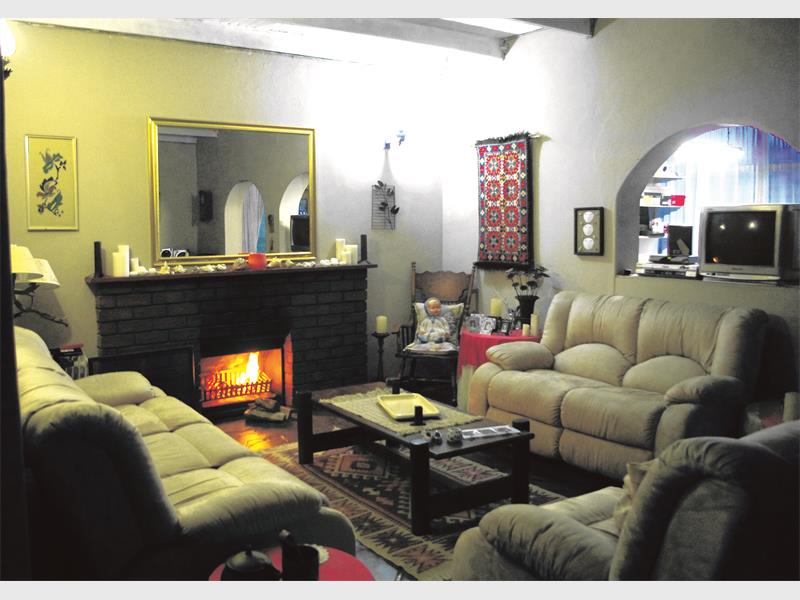
Locals can help avoid load-shedding this winter. With the colder weather conditions associated with winter expected across the country soon and the demand for electricity projected to increase, the power system is forecast to be tight, according to Eskom in a recent statement.
The winter plan indicates a higher demand, with a higher risk of load-shedding too.
South Africans can, however, make a great difference by rallying towards the common cause of using electricity efficiently, having the collective potential of reducing demand by up to 500MW and saving the equivalent of one unit at a power station.
Eskom recently indicated that it now has a better understanding of root causes of breakdowns following work done by its technical review team and has a reliable maintenance plan for its plant, with the latter being prioritised over this period.
Phakamani Hadebe, the group chief executive of Eskom, said they created an extensive winter plan, reviewed their power system and identified the problems. “While the plan gives us confidence that we may go through winter with no or limited load-shedding, we are mindful of the potential of risks on a very tight power system which may result in shifts which could cause load-shedding.
“We have mapped out scenarios that show that we will implement load-shedding in cases where unplanned breakdowns increase to more than 9 500MW, delays in returning units from planned maintenance or in cases of unanticipated disruptive events.”
According to the winter plan, Eskom is successful in keeping the lights on as a result of improved performance of commercial units.
Over the next two months, it expects additional power from generation units that were out for planned maintenance, which are currently at about 6 000MW and will ramp down to about 2 000MW towards highest demand period in May.
Two units that were on long-term outages at Kriel and Matla (1 050MW) will also be returned to service. Kusile 3 is also expected to synchronise to the grid for the first time towards the end of April. Imports from Cahora Bassa are expected to be back at full load.
“We promise to keep our customers informed about the state of our power system on a continuous basis,” Hadebe said.
“We also appeal to South Africans to continue using electricity sparingly, as we count on getting up to 500MW savings from demand management. It was encouraging to see that South Africans’ response to switch off their lights during Earth Hour on 30 March yielded savings of 554MW, so we have shown that it can be done.”
The areas of Apara, Matibiti, Moremela, Hlabekisa, Leroro and other Eskom customers on the same feeder had been without supply since April 5, due to storm damage to the cable that feeds the area.
The utility’s Limpopo and Mpumalanga teams worked tirelessly to restore supply to the affected areas, since the outages were apparently the cause of ongoing protest actions in the region.
Eskom apologised to all affected customers for the inconvenience caused.
According to its “Use electricity smartly” campaign, which aims to help reduce usage, the following should be remembered during the winter period
• Hang curtains to reduce heat transfer.
• Lay “door snakes” to stop cold air from entering. Aluminum skirts with rubber seals on the outside of doors are also highly effective.
• Seal cavities in and between bricks with a polyurethane sealant.
• Seal a chimney if it is not in use.
• Install fire-retardant ceiling insulation. With approximately 40 per cent of heat lost through the roof, ceiling insulation makes your home up to five per cent warmer in winter.
• Only heat the room you are occupying and use the correct type of heater when you feel the need for extra warmth.
• A thermostat-controlled fan heater is ideal to quickly heat a room.
• Most gas heaters generate a great amount of heat and do not require electricity at all.