
Wildlife expert gives advice on helping birds in distress
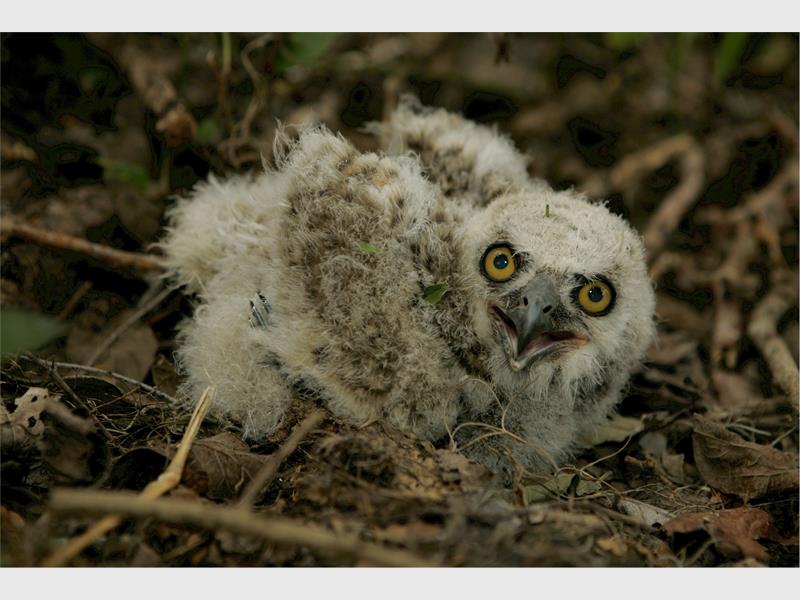
Deidre Joubert of Wild and Free Wildlife Rehabilitation Centre warned people against picking up owlets as the chicks are very sensitive and improper care may result in their euthanasia. Here is some advice on how to help injured birds.
HECTORSPRUIT – Wild and Free Rehabilitation will soon be able to house even more animals, thanks to the addition of several new enclosures.
Founder Deidre Joubert and her team have been hard at work over the past few weeks, constructing enclosures specially designed for diggers like jackals and jumpers like servals.
READ: Six jackals released on reserve already contributing to research
Joubert explained that due to lack of space, animals had to be shown away or transferred to another rehab facility when the centre reached capacity.
The new enclosures mean that they will be able to accommodate more animals and the habitat will put them more at ease.
Joubert thanked Deon Bezuidenhout of Deon’s IY Tool and Plant Hire for his help and guidance with the project, as well as everyone who donated materials or funds to make it possible.
Currently, Joubert is caring for six owls that were rescued about a month ago. They are doing very well and have started to take care of themselves. She tries to limit human contact to prevent imprinting.

It is owl season and many chicks will be testing their wings and falling out of their nests. People are urged to check whether the owl is in immediate danger before interfering, as its parents may still be feeding it on the ground or it could still climb back up the tree.
She warned people against picking up owlets as the chicks are very sensitive and improper care may result in their euthanasia.
Joubert explained that owls very quickly develop a calcium deficiency and this results in their bones and wings breaking if they do not receive the right vitamins.
She advised people who come across injured owls or birds to immediately contact her for advice or to fetch the owl. She said minimising stress should be the first priority as birds are often killed by shock rather than injuries.
“If the bird actually allows you to approach it and pick it up, then it is likely to be in a very serious state and may be more traumatised by being handled. Don’t try to examine the injured bird yourself. This causes more stress and its care should be left to a trained rehabilitator or veterinarian,” she said.
READ: Donation to greatly assist in rehabilitating hurt wildlife
She advised people who come across injured owls or birds of prey to gently throw a jumper or blanket over it. It should then be placed in a well-ventilated cardboard box. The box should be lined with a towel or newspaper. Avoid using straw or placing water in the box.
She advised against feeding the bird and said hydrating it is a delicate art. “Many of the birds we receive are basically drowned because people try to give them water,” she said.
Remember to take note of where you have found the bird to enable rehabilitators to return it to the wild in its own territory.
Joubert also advised community members against feeding animals like mongooses or bush babies, especially with human food.
READ: Centre gets injured wildlife back where they belong
She explained that the food is not nutritious enough for the animals and may lead to health problems. Feeding animals in your backyard also causes them to lose their natural fear for people, and to wreak havoc in homes to get to any treats. It could also lead to the animals being hit by vehicles or them entering vehicles to search for food.
For more advice or information on Wild and Free, contact Joubert on 079-988-5748 or at deidre@fwrc.org.za.


