
Wildlife colleges pledge to find solutions to conservation issues
The two colleges have a long-standing history.
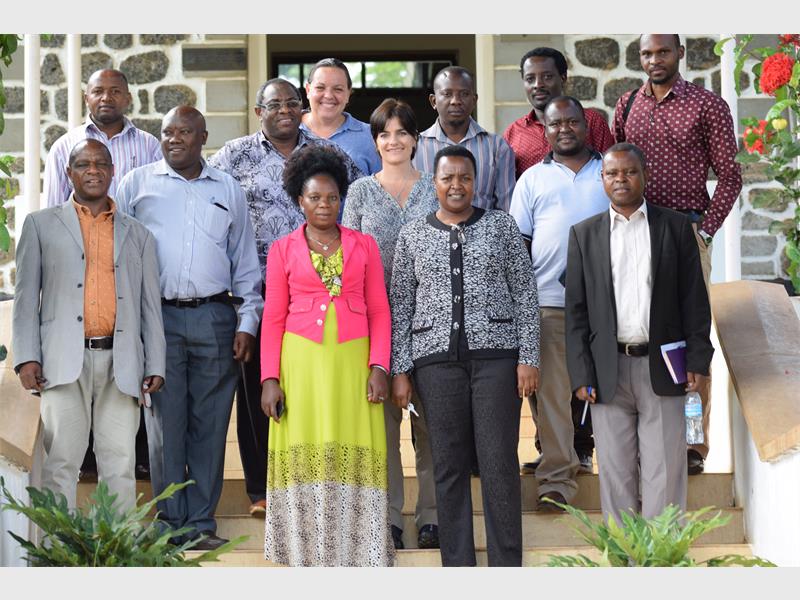
At a historic meeting in May, at the College of African Wildlife Management Mweka (CAWM) in Tanzania and the Southern African Wildlife College (SAWC), pledged to work together to find appropriate and scalable solutions to the conservation of African wildlife through capacity building and development.
Formalised by a memorandum of understanding (MoU) between the two SADC-recognised centres of specialisation in the training of wildlife conservation professionals, the collaboration between CAWM and the SAWC will help develop much-needed capacity for the conservation of the continent’s natural resources and associated biodiversity to the benefit of people and wildlife.
“In order to have the biggest impact on African conservation, training institutions need to speak the same language and stand together regionally. We are extremely excited to have our two colleges showing common purpose going forward,” said
Prof Jafari Kideghesho, rector of the CAWM, and Theresa Sowry, CEO of the SAWC, in a joint statement.
The two colleges have a long-standing history, but the main aim of their meeting was to establish mutual commitment and map out how best they can work together going forward. Their focus is geared towards training in new and appropriate technologies for conservation to have an impact on the management of wildlife areas.
The co-development and implementation of a responsible resource-use module was identified as one of the first joint projects. The module will be included in the training programmes for all students pursuing the natural resource management courses at both institutions.
“Unless we all stand together and understand the importance of responsible use of natural resources, we will never be able to effectively work towards achieving the conservation goal. Tourism in all its facets, be it consumptive or non-consumptive, must be conducted in a responsible manner to ensure the long-term sustainability of the resources and community benefits. We need to train our students to understand and appreciate this essential concept,” said Kideghesho and Sowry.
The meeting between CAWM and the SAWC was made possible by the generous and far-sighted support of The Royal Foundation of The Duke and Duchess of Cambridge and The Duke and Duchess of Sussex. Its continued commitment to support regional training hubs in Africa is helping develop crucial capacity by ensuring that conservation professionals are empowered to perform their work efficiently and effectively through appropriate training and skills development.
The meeting between CAWM and the SAWC follows the SAWC’s recent signing of a MoU with Zambia for their Chunga Ranger Training Institute to become a satellite facility under the SAWC’s accreditation. The college is also in talks with Mozambique and Angola to facilitate better training capacity in the region as part of its commitment to train beyond boundaries.
“Training beyond boundaries means training beyond the fences, across different countries, cultures, and religions, while also training and learning beyond our own boundaries, so that the benefits of protecting wildlife are widespread. We share mutual objectives when it comes to building the skills, knowledge and capacity of the conservation leaders of the future,” said Sowry.