
Young snake handler gives expert advice on reptiles
Although it is winter, some residents and visitors have found themselves face to face with a snake. Instead of killing it, Juan de Beer of Marloth Park Reptile Rescue urges people to contact him or any local snake handler to relocate it instead.
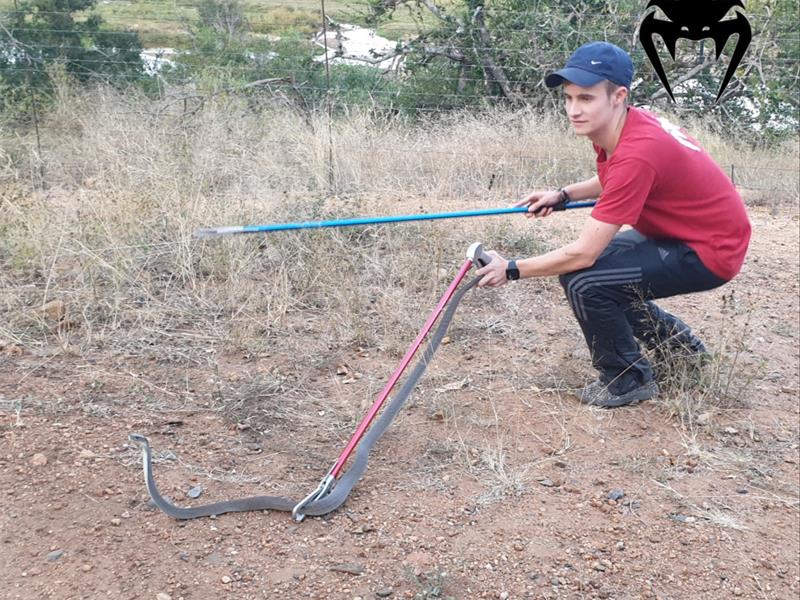
MARLOTH PARK – Have you panicked after finding a snake in your house or yard and wondered what to do? Jean de Beer of Marloth Park Reptile Rescue gives some advice according to his experiences in the area.
Although people don’t expect snakes to be very active in winter, De Beer usually receives between 25 and 35 call-outs per month during autumn and winter. In summer this spikes to between 60 and 80.
The young registered snake handler has a passion for reptiles and had his first pet snake at age seven or eight.
De Beer and his family moved to Marloth in November 2016 and he joined the Marloth Park Honorary Rangers. They put him through his first official snake handling course with Chris Hobkirk of Lowveld Venon Suppliers and he later completed a second snake handling and first-aid course taught by well-known herpetologist Johan Marais.
READ: Expert herpetologist gives tips on handling reptiles
De Beer is also an active volunteer at Wild and Free Wildlife Rehabilitation Centre. Read about their work here.
De Beer explained that the most common venomous snakes in Marloth Park are:
• Spitting cobras
• Southern twig snakes
• Puff adders
• Bibron’s stiletto snake
• Boomslangs
• Black mambas.
Non-venomous snakes that slither around the the area are:
• Spotted bush snake
• Western yellow-bellied sand snake
• Brown house snake
• Marbled tree snake
• Eastern tiger snake.
De Beer mentioned that the southern African python has also been spotted in Marloth.
His advice to anyone who finds a snake in or near their home and believes it could pose a threat, is to keep a distance of at least five metres. Keep an eye on the snake and contact a local snake handler.
“If not threatened, the snake will move off. Do not try to catch or kill it,” De Beer advised.
If you get bitten, immediately call an ambulance service, as they will be able to stabilise you and get you to the nearest hospital. Remember to take a photo of the snake, if possible, or try to remember as many characteristics as possible to aid experts in identifying it.
READ: Top 10 Movie Snake Scenes for World Snake Day
De Beer explained that snakes are a vital part of the ecosystem, as they help control the rodent population and are a necessary source for antivenom. Due to the fact that Marloth Park is a conservation area, it is illegal to kill any animal.
Snakes can be rescued instead and released within the boundaries of the park to ensure that the ecosystem remains in balance. They can sometimes crawl into the strangest places and De Beer once had to rescue a snake from a toilet.
A Marloth Park resident noticed a snake’s tail hanging in the bowl and summoned De Beer. He found that a Mozambique spitting cobra had slithered into the toilet system via the pipes. He had to dismantle the toilet system to free the snake without injuring it.

Rock monitors were also under discussion on Facebook recently, with people wondering how to get rid of the reptiles. De Beer suggested that residents ensure that there are no gaps or holes in the roof or ceiling to avoid the reptiles getting into the house.
They cannot be lured out of hiding, but need to be removed by an expert.
The monitors can cause damage to thatch and the ceiling and their droppings and urine could cause residents to get sick. The monitors can also get trapped in the roof and die of dehydration.
Contact De Beer on 060-665-5000 or visit the Marloth Park Reptile Rescue Facebook page for advice or to have a snake or water monitor removed.