
Southern African journos attend wildlife reporting workshop
In a bid to enable the media to help in anti-poaching efforts, a three-day training workshop on wildlife poaching and trafficking reporting was offered at the Southern African Wildlife College.
The Kruger National Park has in recent years sadly become almost synonymous with the issues of poaching and the illegal wildlife trade (IWT) in local news reports.
In a bid to enable the media to help in anti-poaching efforts, a three-day training workshop on wildlife poaching and trafficking reporting was offered at the Southern African Wildlife College (SAWC) near Orpen Gate last week.
It was attended by journalists who report on these issues from countries in southern Africa and was offered by the Africa-China Reporting Project at Wits Journalism, and partners Khetha (WWF) and VukaNow (USAID).
The workshop focused on community engagement and impactful reporting, and provided training on investigative reporting techniques, the trafficking supply chain to and demand in Asia, and innovative methods for community and public engagement in understanding and fighting wildlife poaching and trafficking.
After a summary on the content and manner media in general report on IWT by Christel Antonites of the Digital Media Research Centre, media guru Prof Ian Glenn made the journalists think about possible pitfalls in the way messages are conveyed through their reporting on the issue.
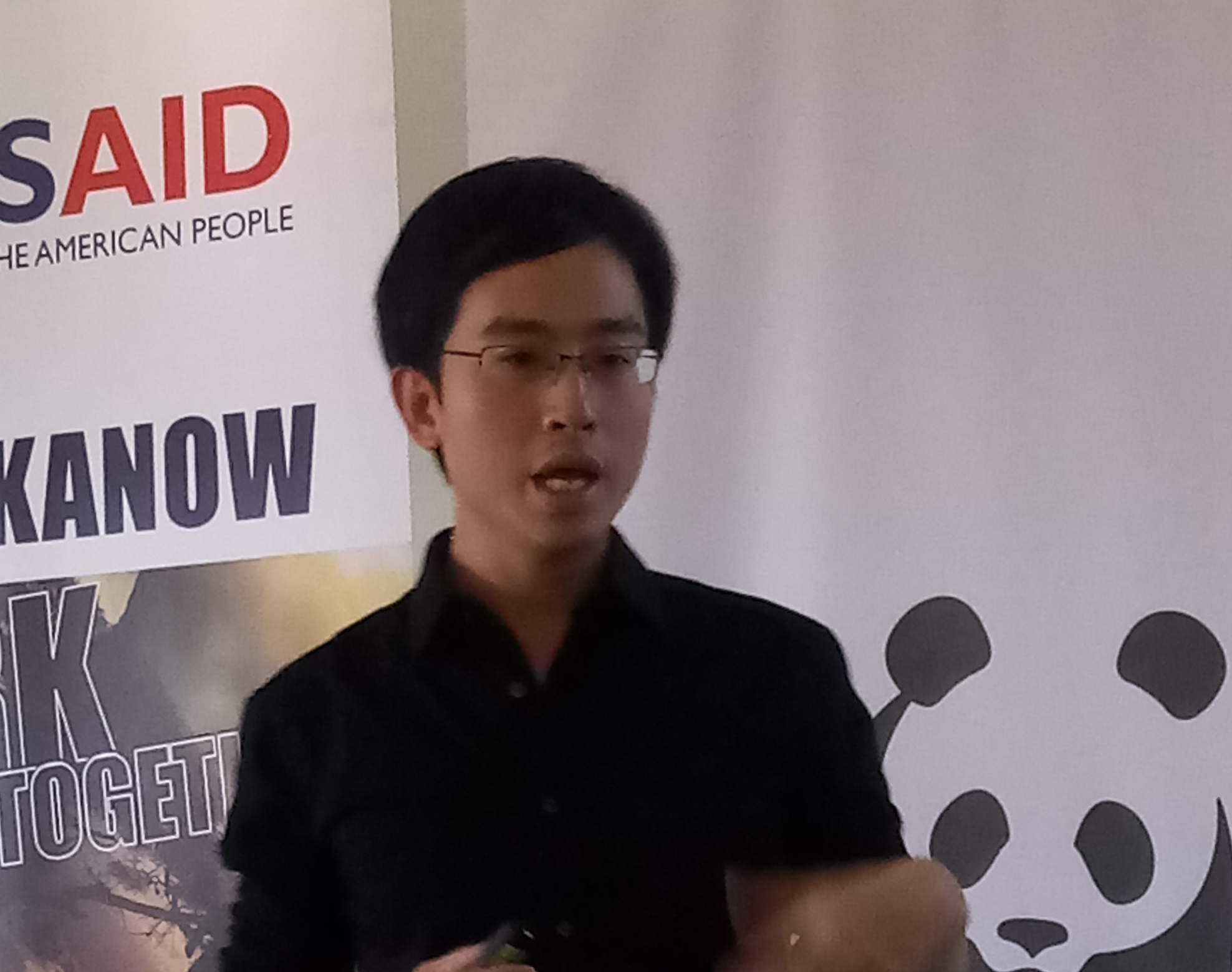
Challenges in reporting on environmental issues and IWT were addressed by WWF media manager Andrea Weiss. Huang Hongxiang, the founder of China House, shed more light on the receiving end in the market for IWT. He is dedicated to building a bridge of communication between China and Africa.
Previous programme manager of the Wildlife Conservation Society in Mozambique, Alastair Nelson, supplied more information on how inequality and mismatching in communities may drive them to participate in these illegal actions. Dr Jo Shaw, a senior manager of WWF South Africa, echoed the warning that mere awareness messages do not necessarily change the behaviour of audiences.
Tom Milliken, who monitors the illegal rhino horn trade for an organisation called Traffic, focused on the shift in the end use markets from Japan, South Korea and Taiwan to China, Thailand and Vietnam.
Perspectives on preservation versus conservation were given by KNP section ranger Richard Sowry, and Nelisiwe Vundla, a WWF community projects officer, spoke about the impact of IWT on local communities, after which the group also paid a courtesy visit to a local chief of the Mnisi Tribal Authority in the Hluvukani Village of the Welverdiend community.
The workshop was concluded with the technical skills development of journalists. It was addressed by investigative journalist Estacio Valoi from Mozambique, Alastair Otter of the Global Investigative Journalism Network, who instructed about online and digital tools in the use of open source intelligence, Desmond Latham of Frayintermedia on good story reporting and Elna de Beer of SAWC on ethics.