
No TB scare for KNP elephants
SKUKUZA – Not a single case of human tuberculosis (TB) has been found in elephants in the Kruger National Park after 35 have been darted and screened. This provisionally indicates that the death of a bull from a human strain of TB in 2016 was probably an isolated incident, said Dr Peter Buss of the …
SKUKUZA – Not a single case of human tuberculosis (TB) has been found in elephants in the Kruger National Park after 35 have been darted and screened.
This provisionally indicates that the death of a bull from a human strain of TB in 2016 was probably an isolated incident, said Dr Peter Buss of the Veterinary Wildlife Services of SANParks.
Lowvelder first reported about the concern in April 2018 when the first elephant was tested for the disease. Since then a formal research project had been registered and only after no more cases were found in 60 screenings, would the team be reassured.
Also read: More groups oppose Marloth mine proposal
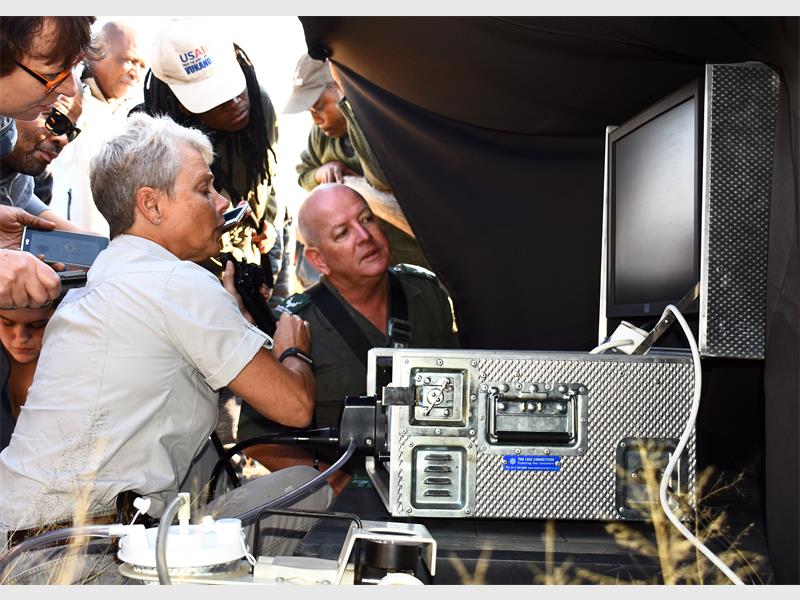
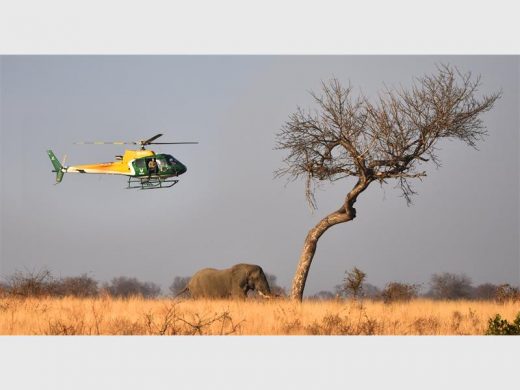
Buss and research partner Prof Michelle Miller, specialist veterinarian formerly from the Disney Animal Kingdom in Orlando, Florida, USA, last week darted another elephant in the presence of a group of journalists.
Although bovine TB was previously found in the park, a human strain of the illness in the wild is extremely rare, said Miller.
The diagnostic tests done on the elephants included blood tests and bronchoalveolar lavage (BAL), a medical procedure in which a bronchoscope is passed through the animal’s mouth into its lungs. Fluid is squirted into a part of the lung and collected for examination.
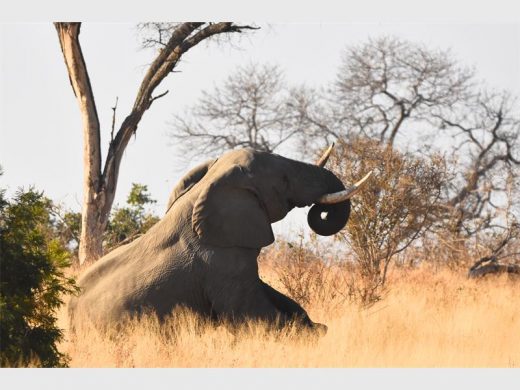
According to Buss and Miller the KNP is probably the first to use this procedure in the wild and they had to literally develop the screening equipment for elephants. To execute the process the animal is darted and immobilised with an opioid about 10 000 times stronger than morphine.
Testing is mainly done in the southern part of the park as more human interaction might be possible in this part. “People may eat food and throw out contaminated trash,” Miller explained.
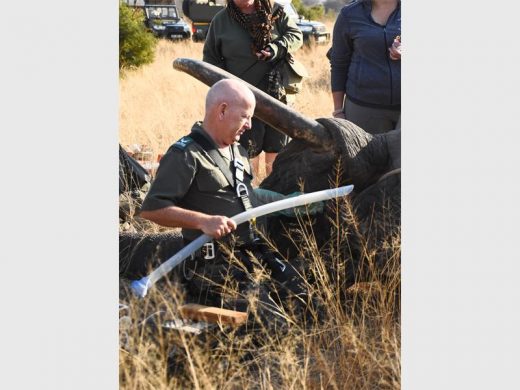
Mostly older animals are tested, because the disease takes about 10 to 15 years to develop.
The possible impact of an outbreak of the disease on the environment cannot be predicted yet and would only be established if more cases are found.