
Proposed mining in Marloth Park garners national interest
The application will also be technically challenged. The group aims to involve experts in various fields to inspect the various reports contained in the application and give their comments.
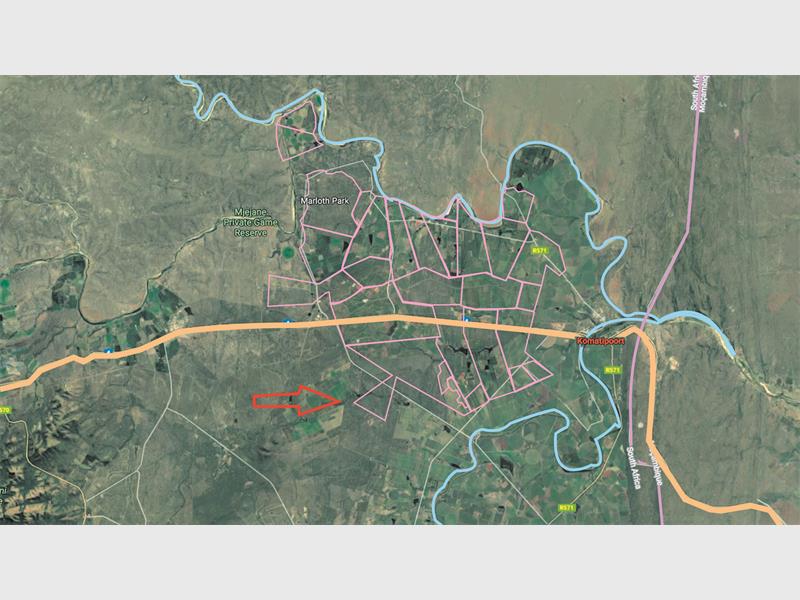
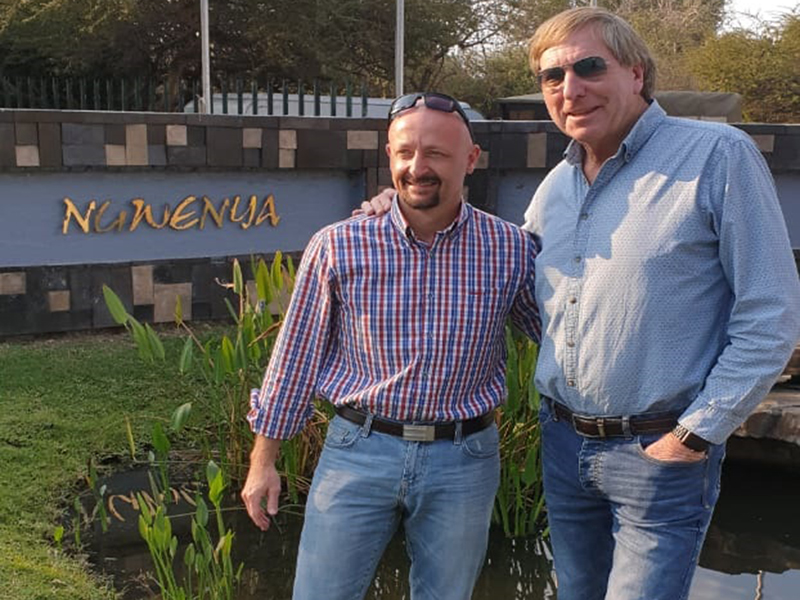
MARLOTH PARK – The plans to open an open-cast and underground coal and anthracite mine on some 18 000 hectares of land between Komatipoort and Marloth near Ngwenya Lodge, very close to the Crocodile River bordering the Kruger National Park, have this week seen high profile media interest.
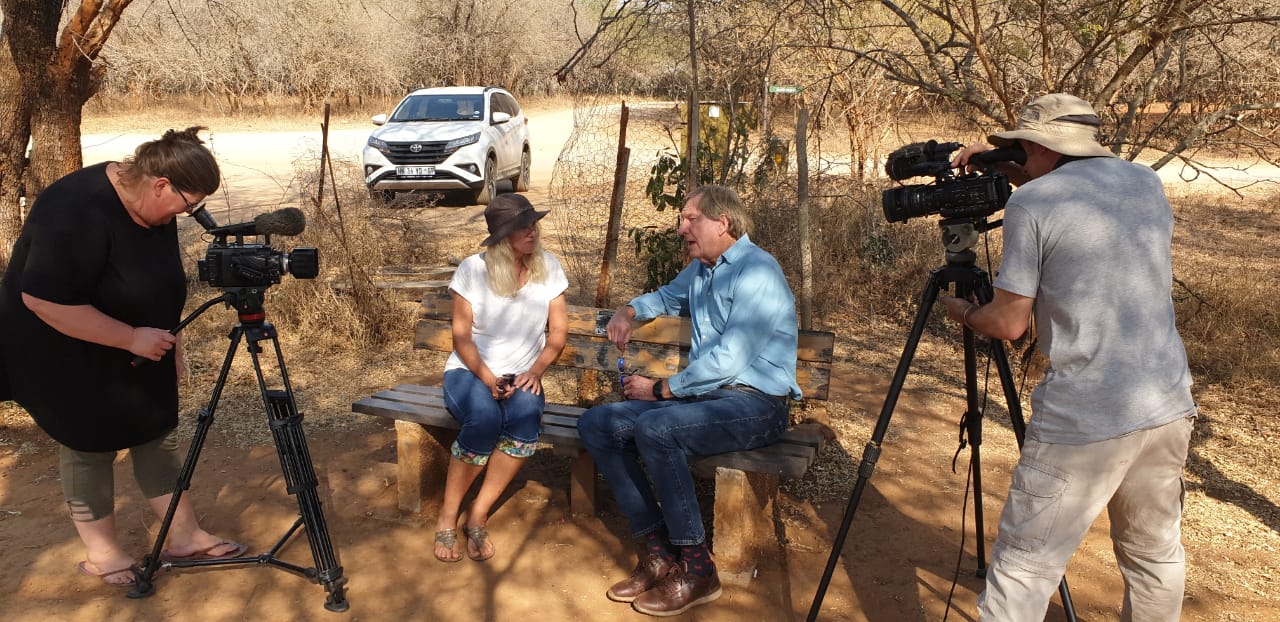
News and investigative teams from two national broadcasting networks have been on the scene since last weekend.
The Carte Blanche team, from M-Net with Derek Watts, which has since left, will be back on site by Friday to meet with the applicants, Manzolwandle Investments, and consultants, Singo Consulting.
Karin d’Orville and her new team for Fokus, on SABC, been staying in Marloth Park for the week, in the hope of unravelling the workings of this development regarded as undesirable by local inhabitants and the tourism.
All indications are that these television investigations will only be aired near the end of August.
ALSO READ: Four days of carnage as 11 people die in and around Mbombela
Other earlier developments were that well-known attorney, Richard Spoor has agreed to assist interested and affected parties. A group of representatives concerned about the impact the mine will have on the area has already consulted with Spoor on the way forward. He was instructed to request the application documents submitted to the Department of Energy.
The proposed mining area encompasses “Tenbosch 162 JU (excluding portion 46, 74, & 90), all portions (excluding 01) of the farm Vyeboom 414 JU, all portions of the farm Turfbult 593 JU and all portions of the farm Tecklenburg’s Ranch 548 JU”. This stretches from the edge of Marloth Park to the edge of Komatipoort.
The Kruger Lowveld Chamber of Business and Tourism (KLCBT), acting on behalf of their members, said earlier, “the content of the document will provide direction on how to go forward and address some of the immediate concerns, like where will the funding and water come from, what the rehabilitation plan is and so on”.
ALSO READ: Local man survives hijacking and kidnapping ordeal
At a earlier meeting, AfriForum district coordinator, Hennie Bekker stated that the organisation would also oppose the mining application, in light of the possible negative effects on agriculture in the area.
Agricultural interest group, Saai, has also registered as an interested party to oppose the development. In a statement, CEO Francois Rossouw said the target area mostly featured irrigation farms in export industries.
Rossouw also mentioned that high-intensity farming, which employs a large number of workers, is much more sustainable than the planned mine.
“Initial calculations indicate that a one-off yield at a stripping ratio similar to other anthracite mines in the Vryheid formation north of Swaziland will not be viable. Moreover, the land will be left barren and dead for centuries to come.
“This one-off yield, as well as damage to the water table, ecology and tourism, should be weighed up against the current agricultural activities in the area, which can yield a growing income of more than R100 000 per hectare per year after deductions for an indefinite time,” he explained.
An independent mining consultant also informed Saai that the quantity of water needed to mine anthracite and sell it as a viable product will “significantly lower the water tables of adjacent farms and affect irrigation farmers as far as 300 kilometres along the river”.
ALSO READ: WATCH: Oupa Pilane express his concerns on the state of tourism
Rossouw also mentioned that the dust generated by open-pit mines will negatively impact crop fertilisation in the area.
The group of local interested and affected parties aim to challenge the mining application to see if the relevant legal requirements were met. This will range from whether there is an evidenced feed for the mine and its feasibility, to whether the pre-screening and public participation process was done correctly.
The application will also be technically challenged. The group aims to involve experts in various fields to inspect the various reports contained in the application and give their comments.
Experts who would like to assist with this process are encouraged to contact Cindy Benson at mpra.cindy@gmail.com and CC Jan Engelbrecht at jan@mindmatters.co.za, as well as Linda Grimbeek of the KLCBT at linda@klcbt.co.za.