More Croc River water for Moz
MALALANE - In the face of uncertain rainfall predictions and widely agreed-upon changes in rainfall patterns, long-awaited dams are urgently needed in the Lowveld.
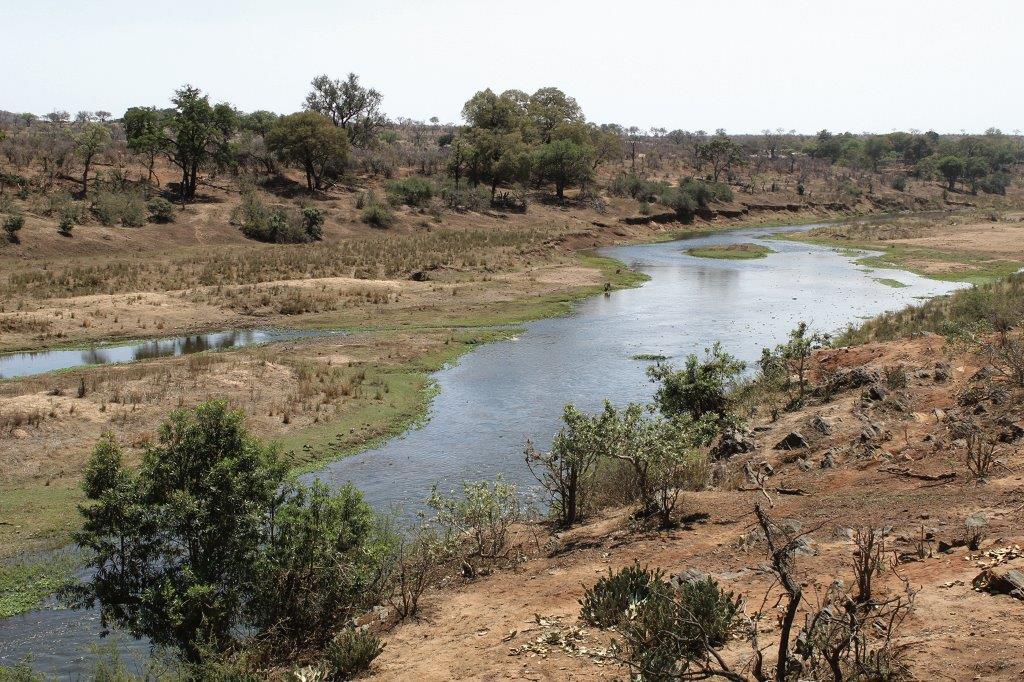
As of October 1, the minimum required flow of water into Mozambique has been increased by 30 per cent. The Lomati and Komati dams join into a single flow before meeting up with the Crocodile near Komatipoort. The water from all three then flows into Mozambique next to the Lebombo Border Post.
Sharing this water fairly among South Africa, Mozambique and eSwatini has been an important topic for many years, as towns, economies and agriculture in all depend on it.
A landmark agreement between the three countries was reached during the Johannesburg World Summit on Sustainable Development in 2002.

The Tripartite Permanent Technical Committee (TPTC) is responsible for controlling and maintaining the stipulations of the agreement and effecting changes.
ALSO READ: Stage 2 loadshedding
These stipulations addressed matters including pollution control, information sharing and minimum flows of water across borders.
Up to September, South Africa and eSwatini were required to ensure a minimum flow of 2 000 litres of water (two cubic metres) per second into Mozambique at the crossing point.
This equates to around 70 Olympic-sized swimming pools of water per day. As of October 1, TPTC has instructed the minimum flow to be increased, to 2 600 litres per second, a 30 per cent increase representing around six to seven per cent of the long-term mean natural flow.
These figures require perspective. In times of low or no rainfall, the entire flows of these rivers are supported by dams that were built in the past. These include the Driekoppies, Kwena and Vygeboom dams as the largest.
They have been seen falling to low levels during extended droughts, resulting in extreme rationing of water to agriculture in particular.

According to Mel Preddy of the Malelane Business Chamber, this is when the industries, farmers and townspeople alike look to government and ask “When are the new dams, so desperately needed, going to be built?”
Nkomazi, and in particular the area dependent on the Crocodile River, has long sought increased security of water supply which could not be guaranteed by the Crocodile and upstream reservoirs alone.
With Driekoppies Dam having improved the situation along the Lomati and Komati rivers, local focus has shifted to the conceptual Mountain View Dam. This has long been envisaged for the Kaap River, between Kaapmuiden and Barberton.
ALSO READ: Onderbergers in Japan
Rainfall predictions for the north-eastern parts of South Africa vary widely. What is often seen as a consensus prediction is a consolidated and averaged-out view of many agencies and organisations.
Predictions range from wetter than normal to very dry. “Populist politics generally result in distribution of excess wealth in good times, through reduced taxes or more free services,” Preddy said.
“The more prudent approach uses the good times to better prepare for the bad times. Somewhere in between lies a balance that will serve the interests of all our people. We need leaders with the fortitude to act for the greater good.”