Make some eco-friendly New Year’s resolutions
New Year’s Eve is celebrated around the world, with a new year bringing fresh opportunities for all. The tradition is that everyone should make a New Year’s resolution to change something in your life.
The most popular New Year’s resolutions pertain to lifestyle choices. According to a ComRes poll, the most popular resolutions are to exercise more, lose weight, eat more healthily, take a more active approach to health and to learn a new skill.
However, this year, why don’t we make our resolution to work towards a greener, more sustainable world? Here are four projects you can do yourself to contribute to the year of 2020.
Plant some trees
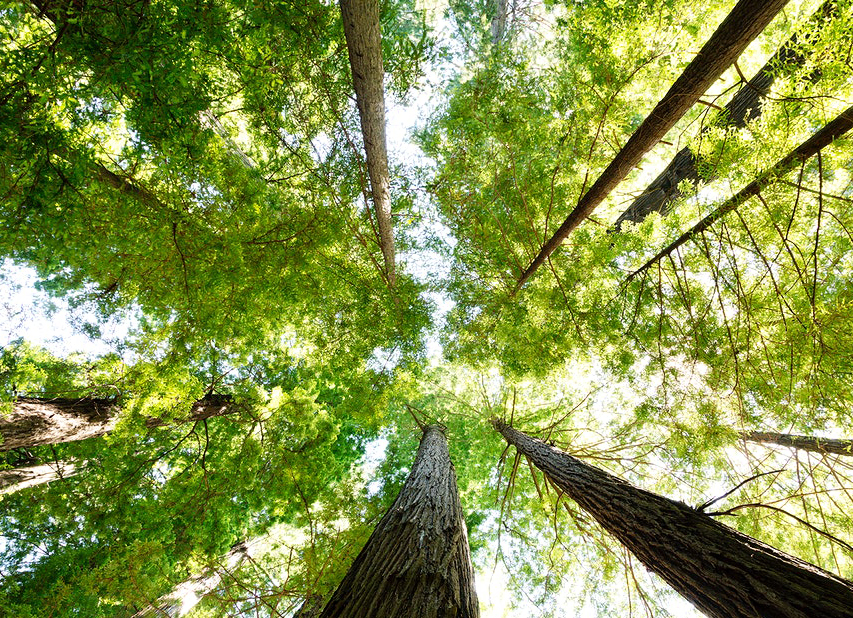
Trees offer a substantial benefit to the environment as well as to humans. Trees are one of the primary oxygen producers in our ecosystems. Trees are also a great help in preventing ground erosion, as their roots hold the ground together. Another personal benefit of trees is that they help to catch pollen, dust and smoke and prevent them from entering the house. So plant a tree this year and leave a legacy for our children to enjoy.
ALSO READ: Zap itchy mozzie bites with natural remedies
Make eco-bricks
Plastic waste is accumulating all over and not all of it is recyclable. An alternative to simply throwing away plastic waste is to create an eco-brick. Eco-bricks are building materials made from plastic two-litre bottles filled with plastic. They are easy to make: just take your waste plastic and compress it down into the bottle. You will know the brick is ready when the bottle compresses less than 10 per cent of what an empty bottle compresses. A quick search on Google for eco-bricks will give you the closest drop-off point for projects using them for construction.
Build an owl box
Owls are a sustainable and eco-friendly way to manage pests around your house. Instead of using pesticides, a family of owls can keep your garden free of rats and other pests. Building your own owl box will provide a place for your new feathered friends to raise their chicks. For a guide on building your own owl box go to https://www.birdlife.org.za/get-involved/owl-boxes
Make your own compost heap
Making a compost heap not only reduces the amount of waste you dump, but can do wonders for your garden. For your compost heap to work you will need four things. Carbon is the first ingredient and this can come from brown leaves, straw, wood, or paper and cardboard. The second ingredient is nitrogen from any green leaves, grass or vegetable kitchen waste. Water is the third component: water the heap whenever you add a layer. The last ingredient is oxygen: add it in by turning over your heap with a pitchfork regularly.
Give these eco-projects a try for your New Year’s resolution. What resolutions do you have? Let us know in the comments.
ALSO READ: Tips for moms to survive school holidays