Donations needed for primate rehabilitation centre, DIY Wild
Ten years ago Sarah Mitchell and her husband, Mitch, started DIY Wild near Badplaas after they realised that there was a serious need for a primate rehabilitation centre in Mpumalanga.
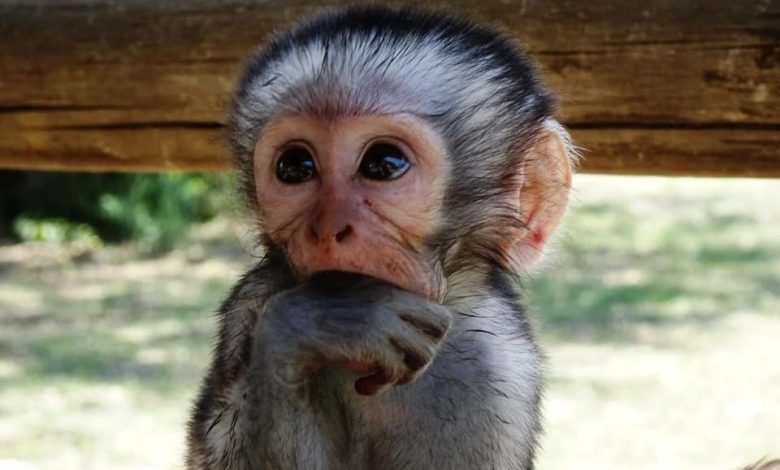
“Before our centre existed, every primate that was taken to a veterinarian or nature conservation facility in the province was euthanised,” said Sarah.
She elaborated further on the inner workings of DIY Wild and also why they have been so severely impacted by Covid-19 – almost to the extent of having to close down the facility.
“We ran a guest lodge (Hlumu Lodge) to fund the centre as wildlife is our passion.
“Over the years we rented out the lodge so we could focus on wildlife. We established a successful overseas volunteer programme that raised enough funds for the project to be self-sufficient.”
Then came the pandemic.
ALSO READ: Open the throttle to first-class rock
“While we were relying on our volunteers to be self-sufficient, we could never have expected the Covid-19 crisis and the knock-on effect it would have around the world.
“As the borders closed, we lost all of our income, but still had huge running costs to keep the centre going.
“We also had a huge lack of help on the farm. Not only do we rely on the volunteers for funding, but they really are the backbone of DIY Wild and are essential for all of the daily work at the project.”
At the centre, they take in orphaned, injured and displaced wildlife from all over the province with a specific focus on primates.
“In the past we have worked with animals such as antelope, mongoose, birds, reptiles, warthog, bushbabies, servals and civets.
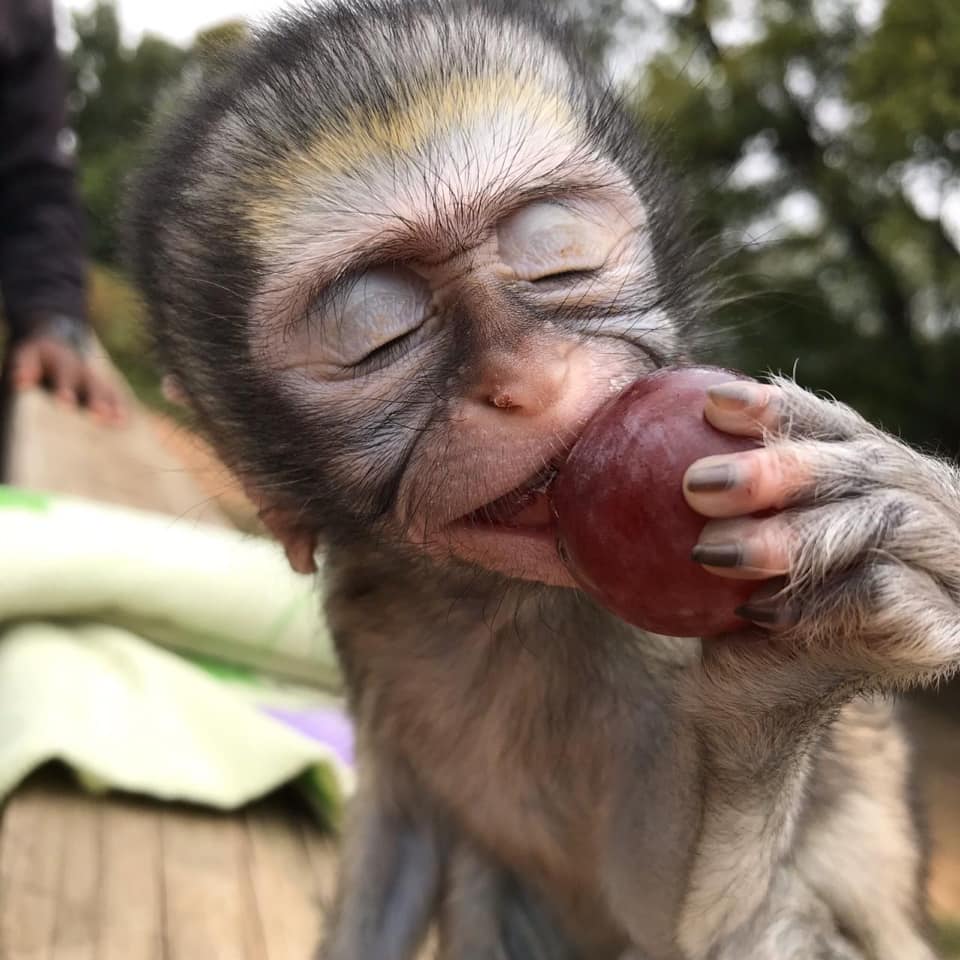
“Vervet monkeys are persecuted in this country due to human encroachment on their habitat and the resulting conflict. Most of our monkeys come in as tiny babies because their mothers have been shot, snared, poisoned or hit by cars.”
As baby season is from October to March, normally, this time of year they would be preparing for an influx of them – sometimes up to 30 during this time.
ALSO READ: Save the date for Pro-Life’s 9th birthday bash
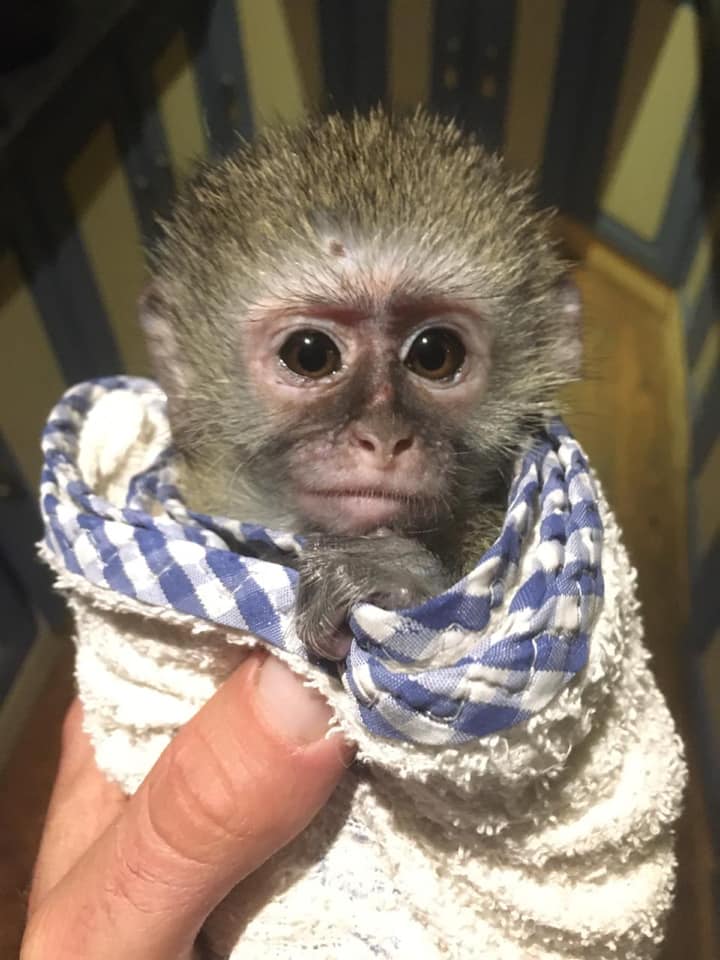
“They require round-the-clock care and bottle feeding just like a human baby.” That includes stocking up on essential baby milk (Lactogen 1), sterilising fluid, probiotics, porridge, blankets and so on.
“This year we are trying to make the heartbreaking decision of whether to take babies in or to refuse them – we have to decide whether our responsibility is to the animals we already have, or if we can help these tiny innocent newborns.
“It is impossible to look into their eyes and turn them away, knowing that there is no other centre that can take them, but without funding, we do not have a choice.”
The rehabilitation process is extremely long for primates. Once they take in a monkey they commit to its care and feeding for at least three years, and this comes at a huge cost.
“We have been doing our best to cut costs wherever we can and are really running on the bare minimum.
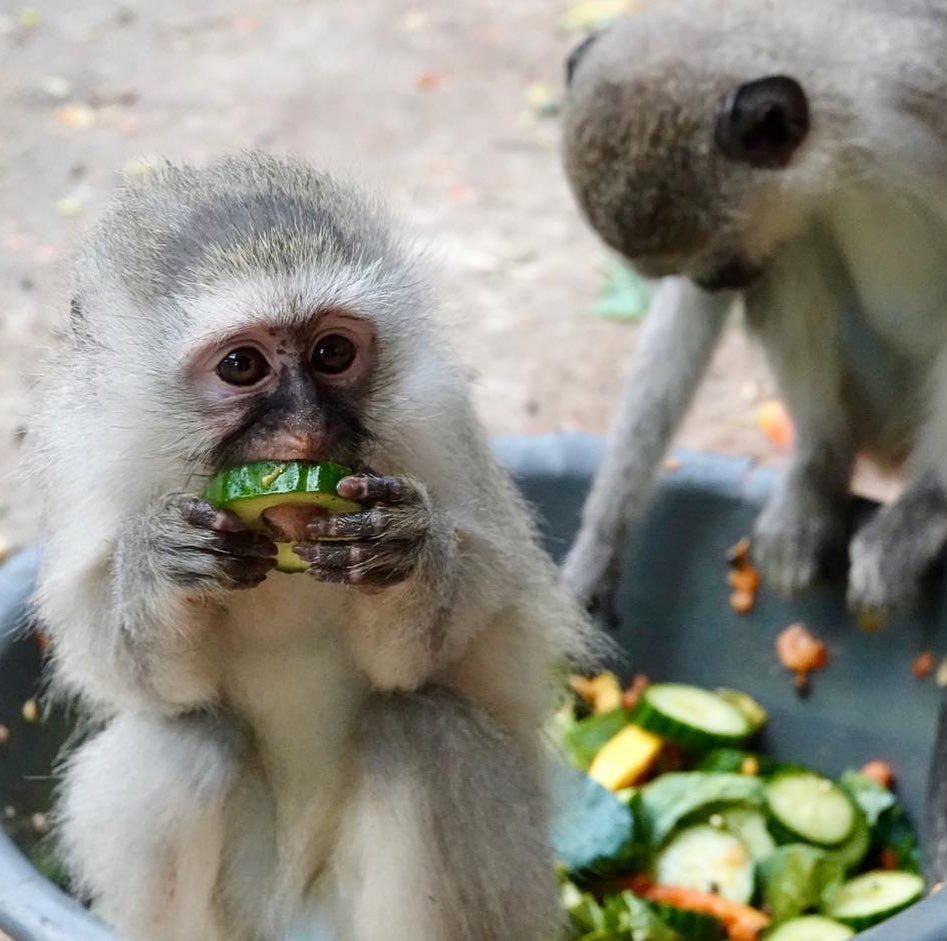
“Just to feed and house our core team of volunteers (who are all unpaid) and to buy fuel to drive to collect donated fruit for the animals (we are extremely lucky to have farmers who support us with their waste food in Barberton and Mbombela otherwise we would have closed already) costs us around R2 500 per week.
“At the moment this is the budget we are working with to stay open and to give the animals in our care a chance still.”
ALSO READ: Local boy receives the gift of sight
However, this does not account for all of the other expenses that are building up. There are outstanding vet bills (a big thank you to Sumati Vets in Barberton which does all of DIY Wild’s wildlife work for free), repairs that are needed on the food-collection vehicle, many repair jobs on enclosures, tools and buildings.
Ways in which people can help:
Donate to the fundraiser by EFT:
Nedbank
Helping Hands for Wildlife
Account number: 1027394078
Product donations
Lactogen baby milk, blankets, Milton, Cerelac porridge, baby probiotics, cleaning materials such as disinfectant, pine gel, sunlight, bleach and so on, medical donations such as latex gloves, small syringes, gauze, bandages, food waste from farmers.
Donations in the form of fuel and someone to do maintenance on their vehicle also tie in with food donations. If people are willing to donate food, someone from DIY Wild will gladly pick it up.
For volunteering, contact the centre at info@diywild.com for more information.
“We are always desperate for help on the ground.”