
Black-backed jackals roam free on farm
Three black-backed jackal pups, found abandoned on farms in Mpumalanga, were given to the Wild and Free Rehabilitation Centre to be helped.
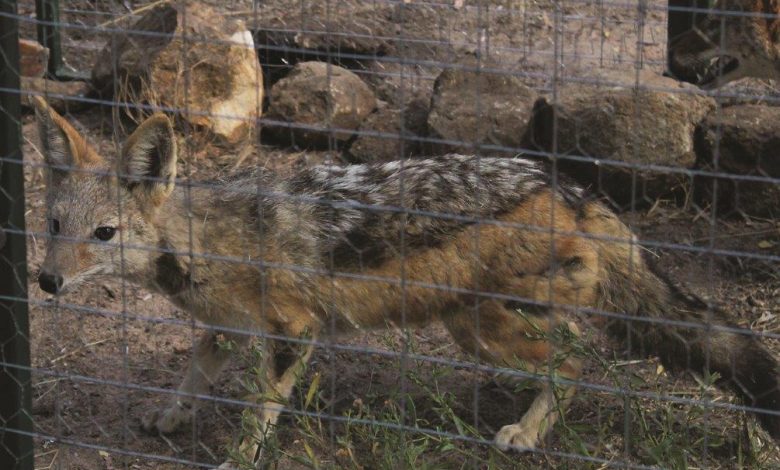
Around the same time, six pups of the same species were brought in from unsuccessful rehabilitation centres in Gauteng as their last hope for survival, due to the difficulties these non-profit organisations had encountered during the lockdown. These pups were nurtured and prepared to be released by Wild and Free on an undisclosed farm near Hectorspruit on Friday July 30.
Wild and Free Wildlife Rehabilitation is a centre in Hectorspruit for indigenous wildlife. It is a self-funded, registered non-profit organisation that started in 2016. The centre’s director, Deidré Joubert, organised a release date for the jackals with veterinarians and the Mpumalanga Tourism and Parks Agency (MTPA).
The total of nine black-backed jackals spent eight months at Wild and Free where they were closely monitored without active human interference. When the jackal pups arrived at the rehabilitation centre, they were bottle-fed with a special milk formula and were taught how to lap from a bowl to limit human contact.
Near the release date, Gerrie Camachuo of the National Conservation of MTPA, who is responsible for the inspection of the wildlife animals and their environment, saw an opportunity to fill the research gap with black-back jackals, and arranged with Joubert and the veterinarians to collect some research. “There is only a minimum of research being done on these animals. We do not know a lot about the jackals when we compare the research to our knowledge of other animals,” said Joubert.
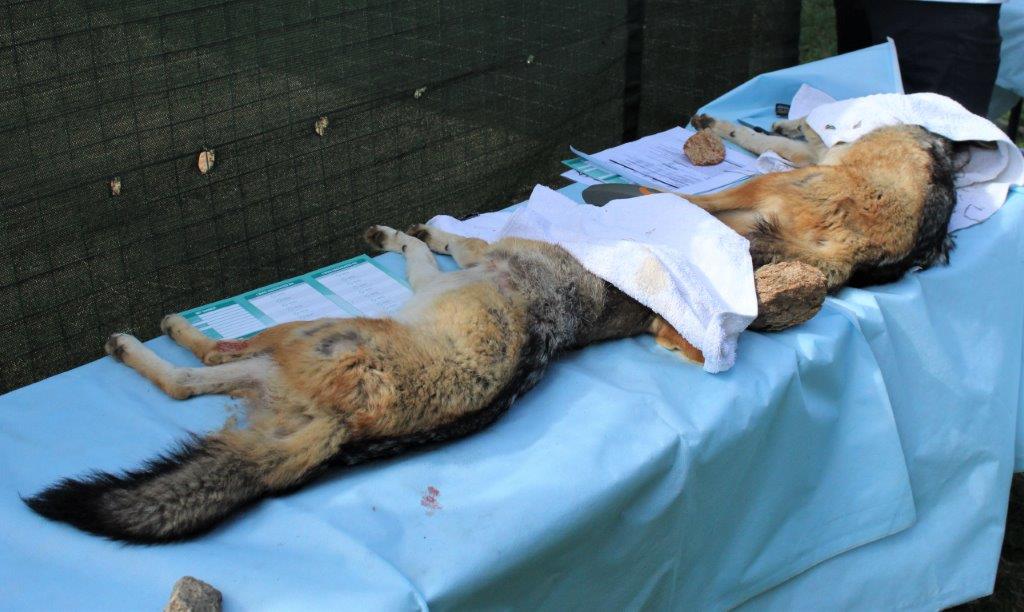
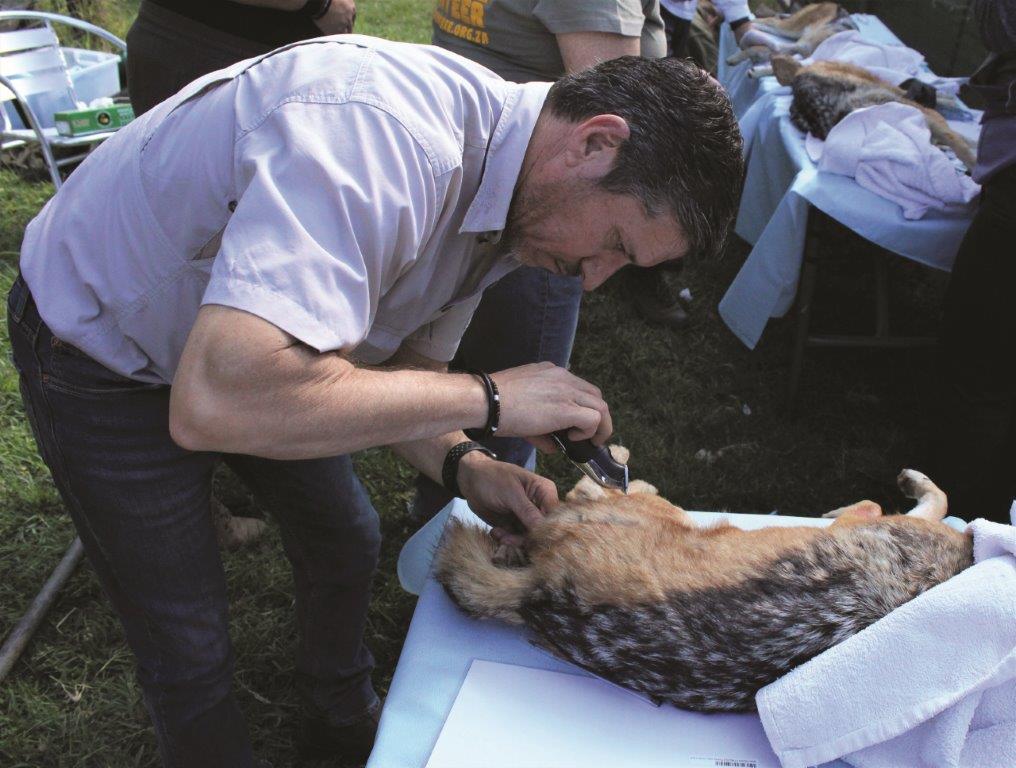
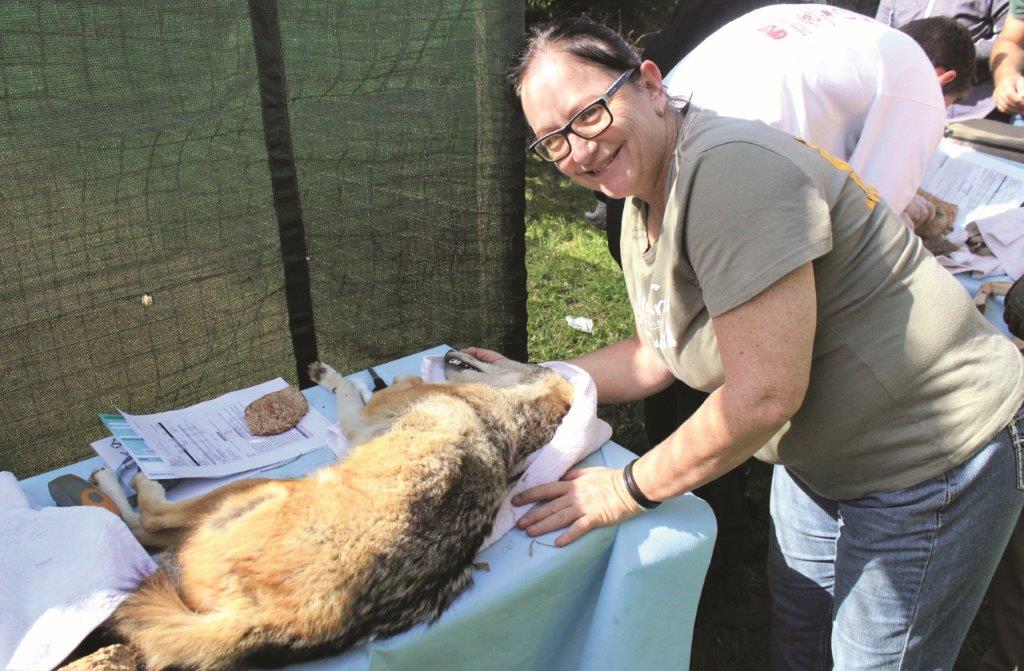
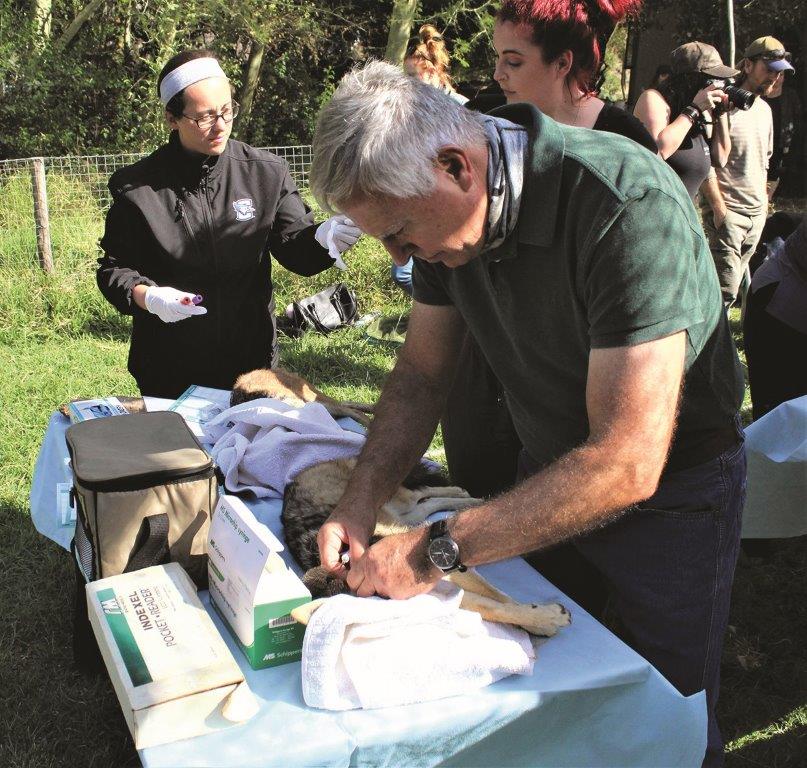
Chris Hobkirk of the MTPA assisted Wild and Free with the whole process of the research collection and release, along with Chris Smith, a wildlife veterinarian, his students and volunteers. After the jackals were tranquillised, Dr Peet Venter, the veterinarian of Marloth Park, helped Wild and Free inspect the jackals for any diseases and provided medical attention. Blood samples were taken for DNA, their weight and measurements were taken and they were microchipped and given their rabies vaccines.
ALSO READ: The fallen remembered on World Ranger Day
Two stripes were shaved on to the rump of the jackals for female and one stripe for the males. This was done so that they will be easy to identify on the farm they were moved to. “The goal was for the jackals to mate at the rehab centre and to be released before giving birth, because jackals will stay in the environment where they give birth, as black-back jackals mate for life,” said Joubert.
“Wild and Free is grateful for the support it receives from the farmers around Hectorspruit who allow us to release these beautiful animals on their land.”
A soft-release enclosure was built and enriched for the jackals to get used to their surroundings. From the boma, it is up to the jackals to explore their new home. “Wild and Free will support them with food for a couple of weeks until they have set out and started hunting on their own,” said Joubert.
“They will be post-monitored for another few months to make sure they are not only surviving, but thriving at their new home.”