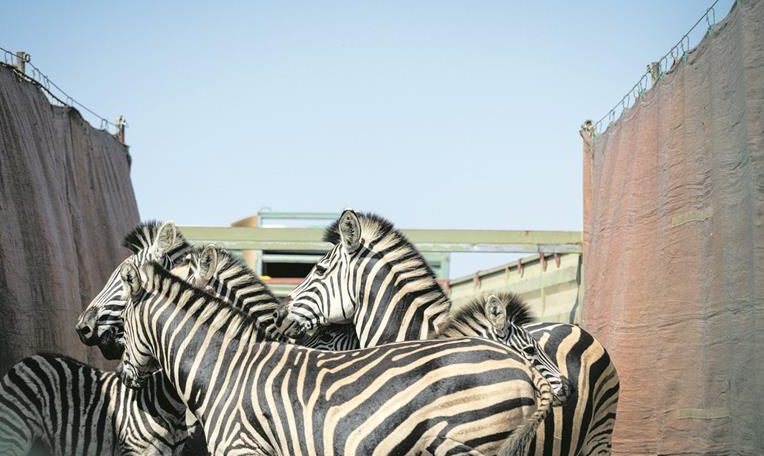
Kruger zebras and wildebeests translocated to Mozambique
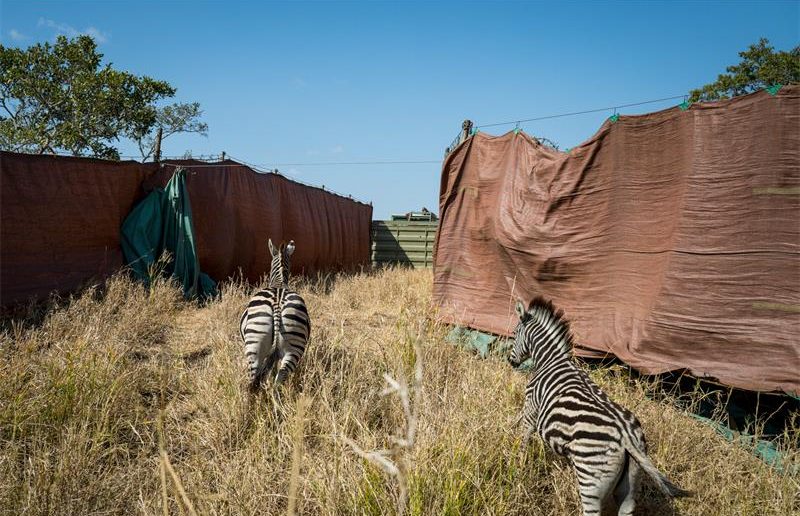
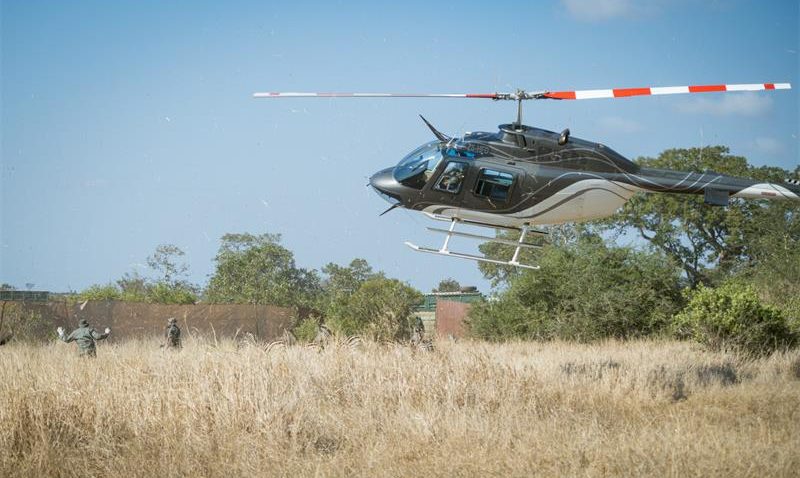
In a victory for cross-border conservation, a series of recent successful wildlife translocations saw 99 animals from the Kruger National Park (KNP) arrive safely in Zinave National Park, Mozambique.
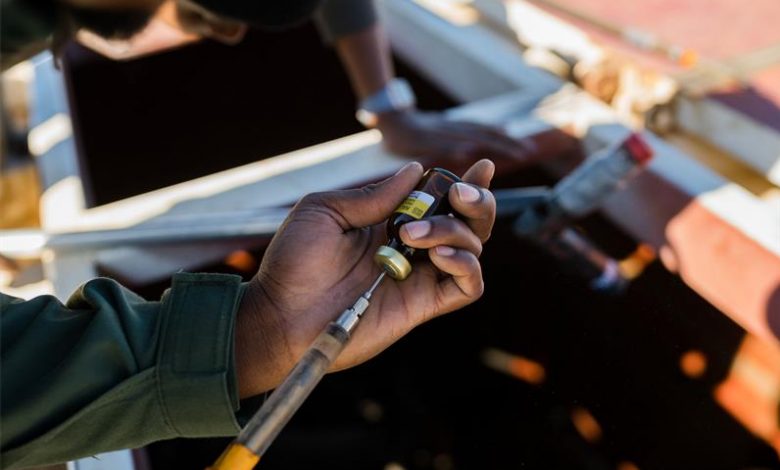
This translocation was made possible with South Africa’s Department of Forestry, Fisheries and the Environment (DFFE) donating the animals to the Ministry of Land and the Environment in Mozambique; the initiative was supported by the Peace Parks Foundation.

The translocation forms part of a large-scale effort to restock and rebuild key parks within the Greater Limpopo Transfrontier Conservation Area.
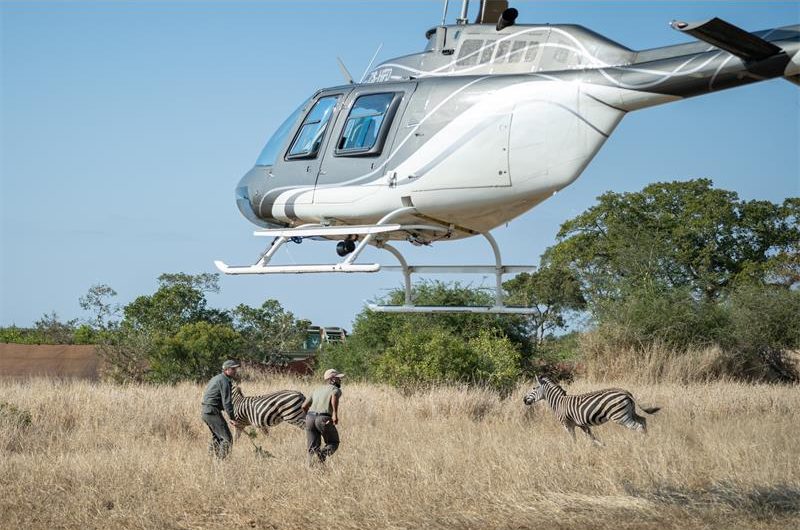
> Photos: Peace Parks Foundation
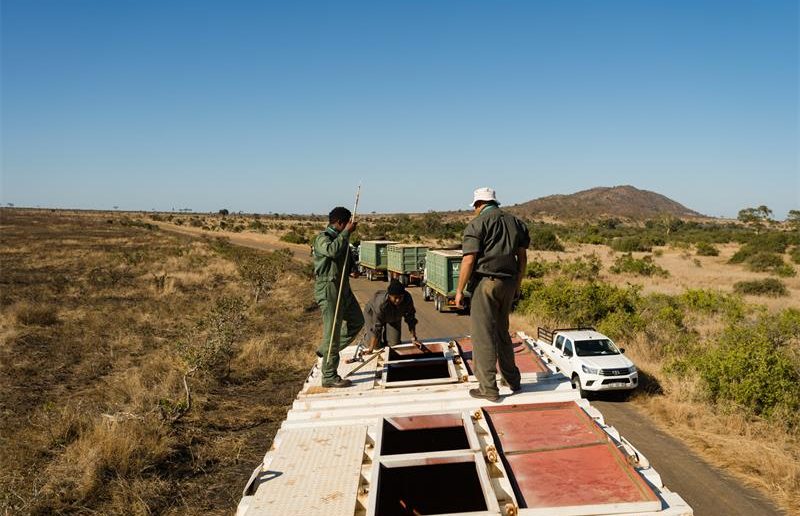
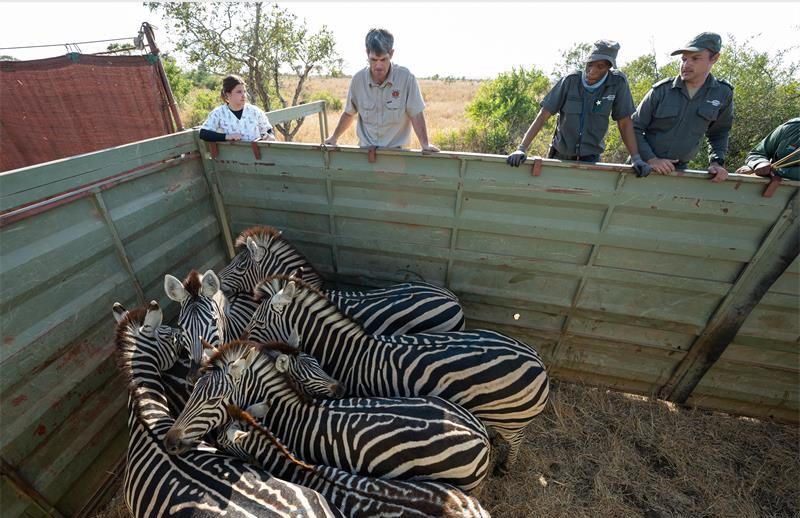
A total of 27 zebras and 62 blue wildebeests were transported 1 250 kilometres from the KNP to the Zinave National Park. These new arrivals add to the more than 2 300 reintroduced animals that are now thriving under the restoration and management programmes being implemented in Zinave.
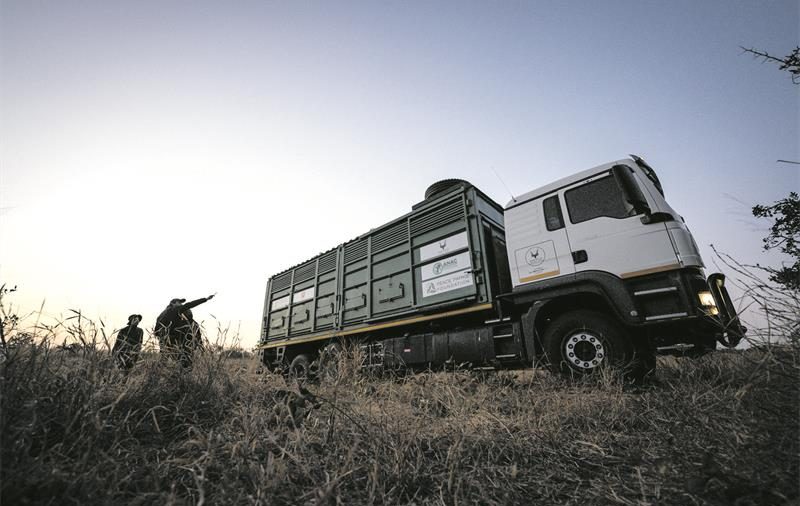
Since 2018, more than 700 animals have been translocated as part of a donation from the DFFE to the Ministry of Land and the Environment in Mozambique, all the while supported by the Peace Parks Foundation.
> Photos: Peace Parks Foundation
The minister of the DFFE, Barbara Creecy, said the translocation of species from the KNP to Zinave is an important indication of how South Africa’s conservation success is contributing to the rewilding of Africa. “The success of ongoing cross-border collaborations is an outstanding example of how African countries are working together to solve conservation problems and grow the ecotourism sector.”
> Photos: Peace Parks Foundation
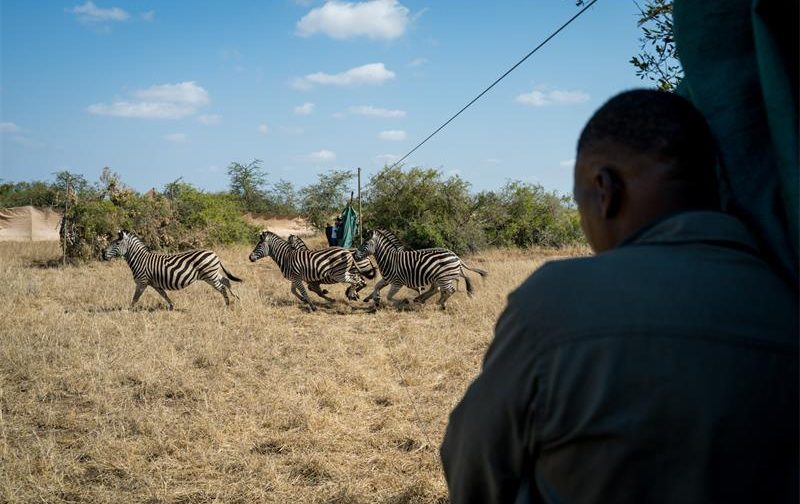
With more than 147 mammal species thriving as a result of years of expert conservation management and protection strategies, the KNP is well positioned to support the restoration of decimated protected areas in neighbouring southern African countries.
> Photos: Peace Parks Foundation
After decades of human impact severely disrupted the 408 000-hectare park’s natural ecosystems and healthy wildlife populations, work began in 2016 to restore Zinave to its former glory with the signing of a co-management agreement between Mozambique’s National Administration of Conservation Areas and Peace Parks.
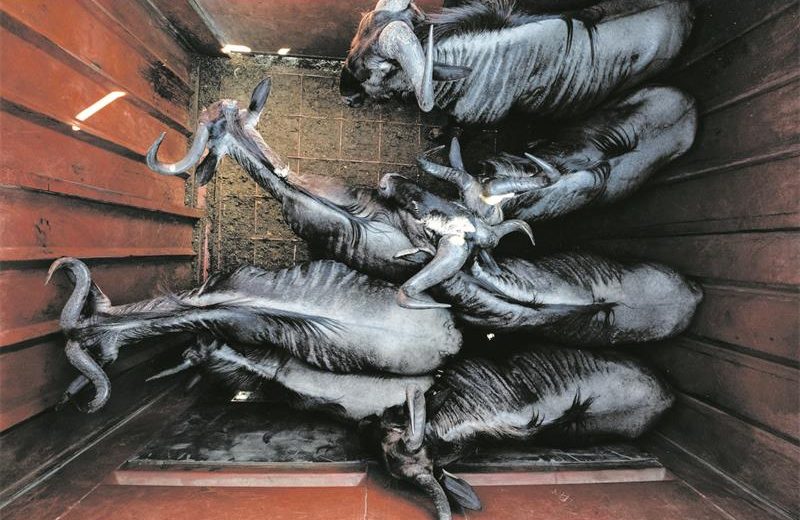
Today, thanks to wildlife donations from South Africa and Zimbabwe and through restocking from other areas in Mozambique, Zinave now boasts 13 species, including impala, reedbuck, waterbuck, buffalo, zebra, wildebeest, giraffe, sable and elephant.
> Photos: Peace Parks Foundation
Thriving in their safe and lush habitat, these reintroduced populations have more than doubled in numbers to close to 6 000 animals. With the herbivore populations flourishing, the first predators – a clan of four spotted hyenas – were reintroduced into the park at the end of 2020 and have already produced their own offspring.
ALSO READ: Lebombo truck crisis boils over in Komatipoort
The minister of Land and the Environment in Mozambique, Ivete Maibaze, said it is heartening to see how healthy populations of wildlife have stimulated the potential for increased tourism and related income opportunities in and around Zinave.