Wild and Free advises public on what to do during baby season
Deidré Joubert of the Wild and Free Rehabilitation Centre informed the public through social media about the dangers people can pose to newborn animals without the centre's acknowledgement.
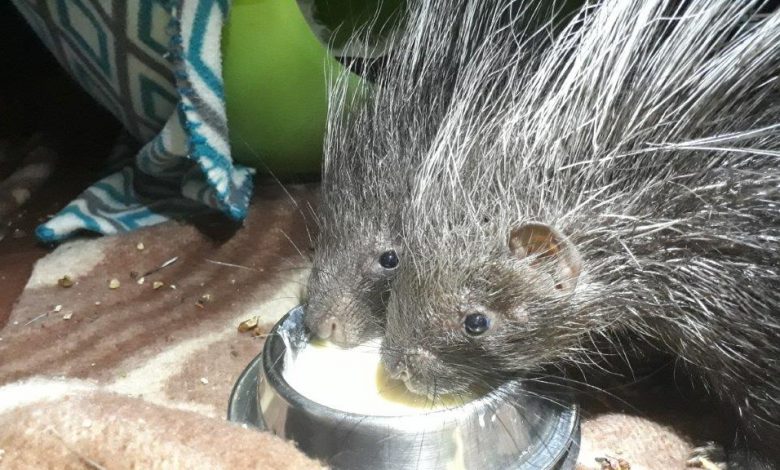
She gave advice on how to identify whether a newborn animal is in need of care, and how to handle it.
Wild and Free receives a lot of baby animals throughout the year. Since the start of 2021, its intake has tripled. As spring arrived in September, many animal species gave birth, but many obstacles presented themselves.
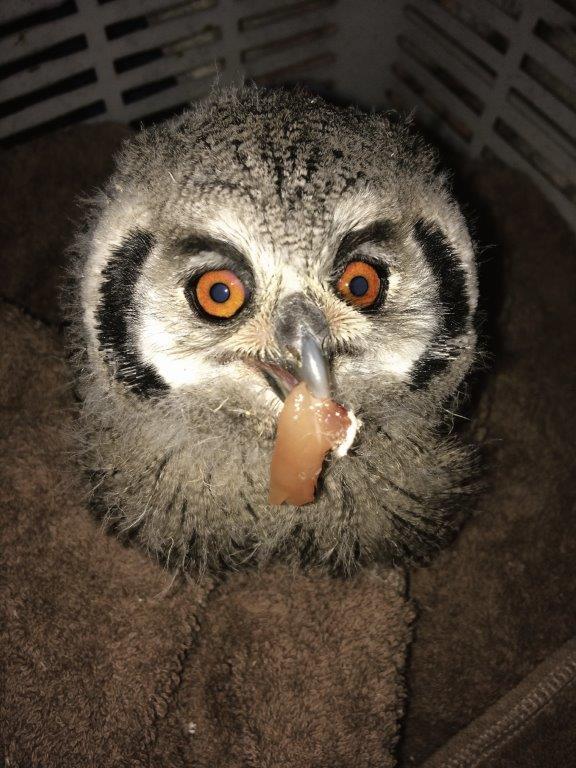
The mothers hide their young as they search around for food, and during these times leave the newborn animal vulnerable. A baby animal does not get abandoned by its mother without a really good reason. These could be that the habitat or nest was destroyed, the mother died, or a birth defect that would not make it possible for the youngling to survive.
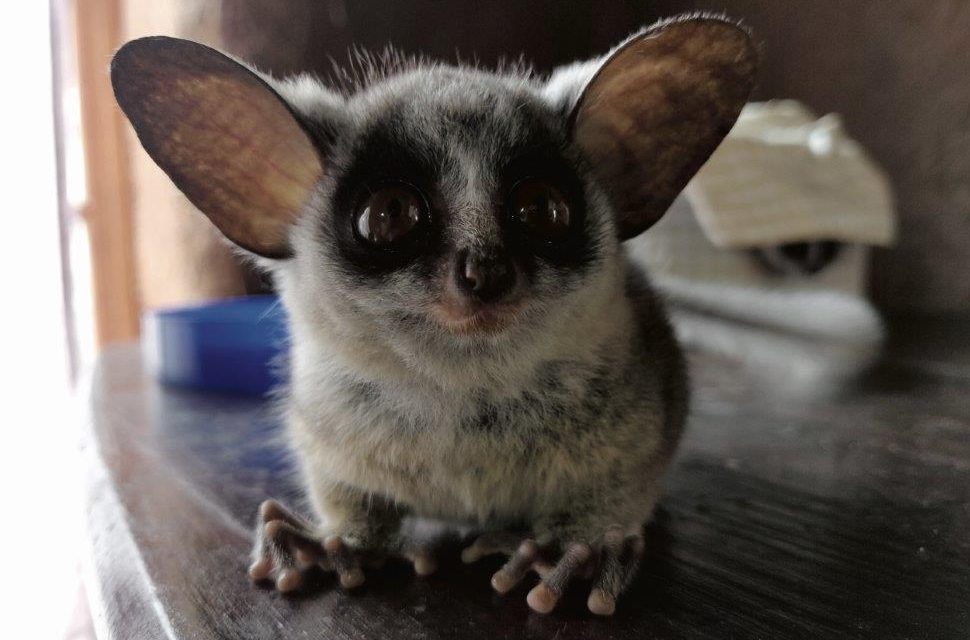
Wild and Free has raised many animals that were brought in by the public which turned out to be blind or had abnormal digestive development that would never have been survived.
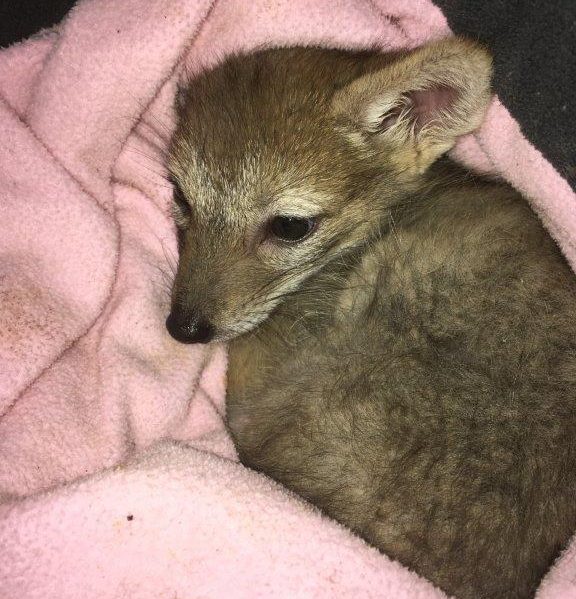
“Antelope hide their young in the bush while they forage close by. We had a baby duiker beneath our deck that was ‘abandoned’ for two days before Mum showed up to come and fetch her. South African antelope species hide their young for approximately three weeks. They usually forage close by, but with the current dry season, they are forced to search for food much further away,” said Joubert.
ALSO READ: Visitors caught off guard by herd of elephants at the Kruger Gate
People tend to discover the young and feel the need to take care of them, which is not the solution. The baby animal is best off with the biological mother.
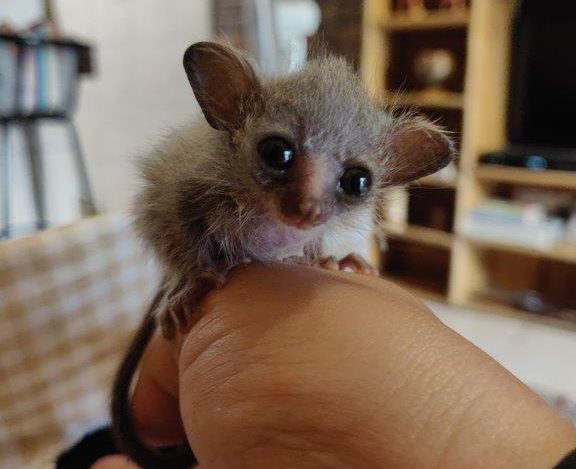
Joubert is on a mission to create awareness on the importance of animal comfort when younglings are discovered. Many people need to be informed that physical touch can be the most harmful thing to a stressed-out wild creature, and that they should avoid it at all cost. It is human nature to want to pick up a baby creature and make it more comfortable, but it would end up being worse for the animal.
“We have many platforms to educate the public regarding wildlife, such as WhatsApp groups, Facebook and our website. Before the Covid restrictions, we had stalls at festivals and flea markets to talk to the public,” said Joubert.
ALSO READ: Accident at Mangweni claims 2 lives
It is illegal to keep indigenous wildlife without a permit. People need to contact someone with the proper authority involved as soon as they can. Any person who contravenes or fails to comply shall be guilty of an offence and liable on conviction to a fine or to imprisonment, or both, for a period not exceeding two years.
Wild and Free Rehabilitation Centre can be contacted regarding any abandoned young, or other situations involving wild animals, on 079 988 5748.