Shadow and Remembrance parades observed
Remembrance Sunday, also known as Poppy Day, is held annually on the second Sunday in November, closest to Armistice Day, which marked the ceasefire that put an end to all hostilities of WWI at 11:00 on November 11, 1918.
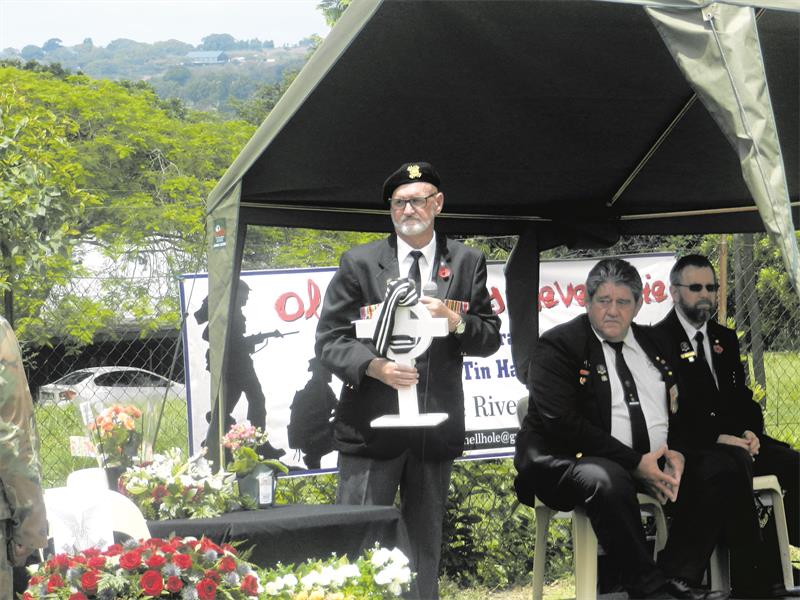
Although the carnage of World War I ended 103 years ago, those who fought and died are honoured each year during Remembrance Sunday, this year being no exception.
Remembrance Sunday, also known as Poppy Day, is held annually on the second Sunday in November, closest to Armistice Day, which marked the ceasefire that put an end to all hostilities of WWI at 11:00 on November 11, 1918.
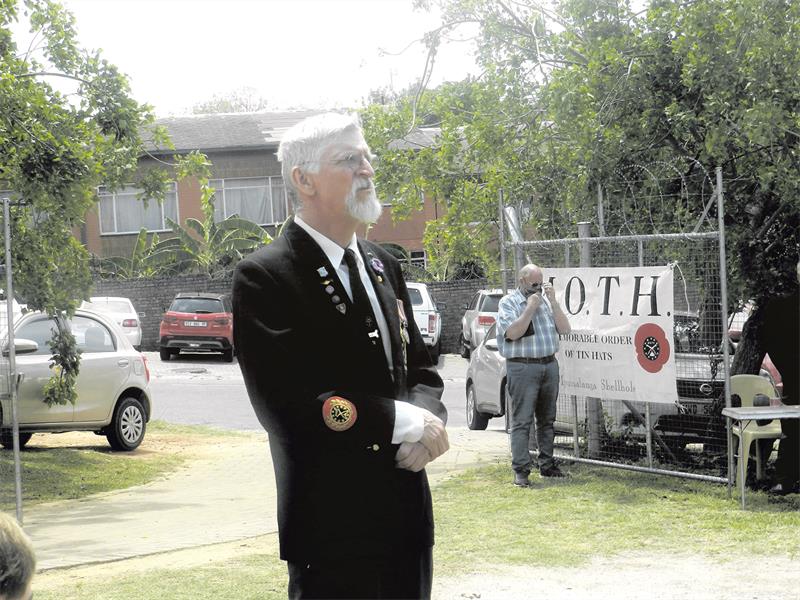
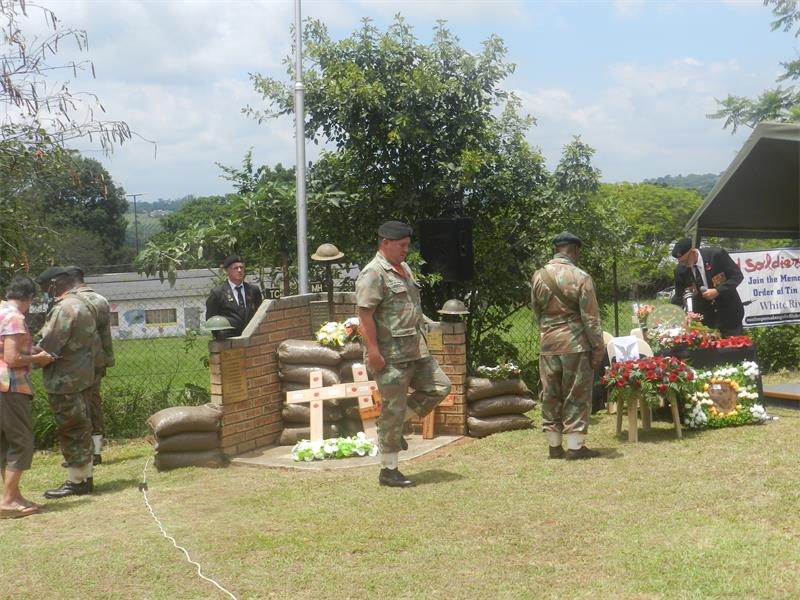
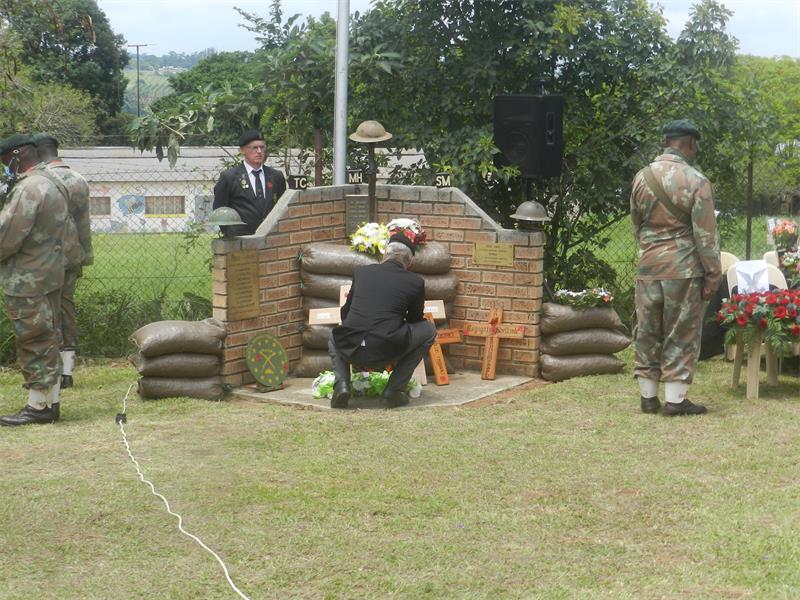
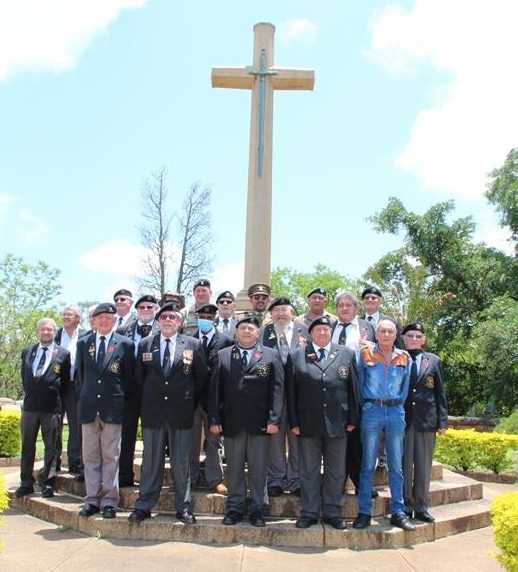
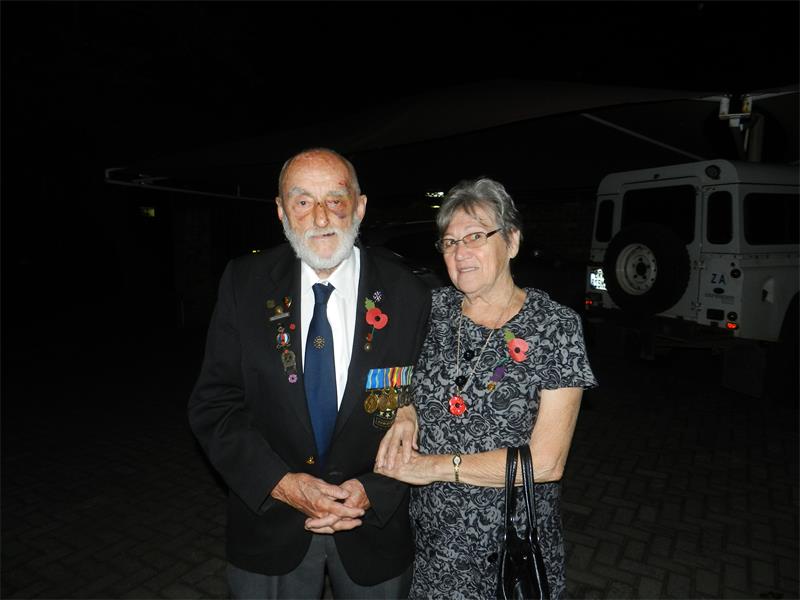
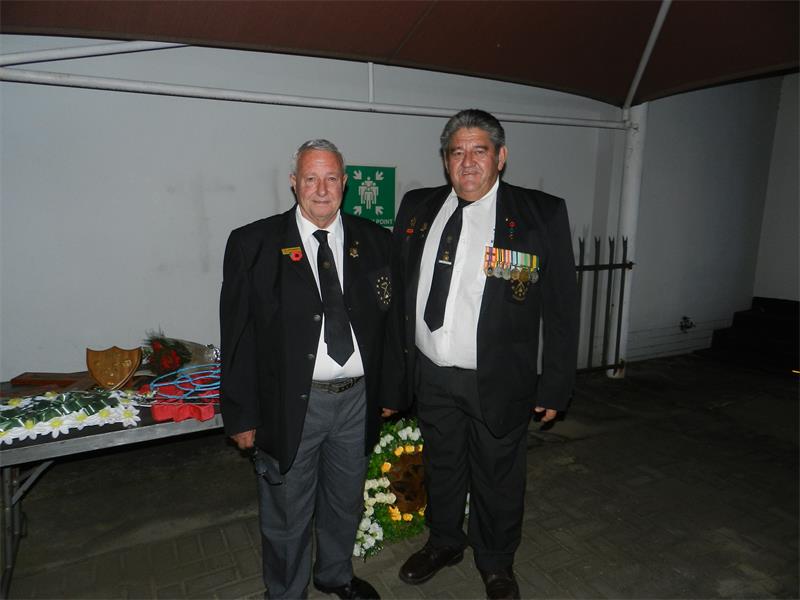
This year various Memorable Order of Tin Hats (MOTH) Shellholes across the Lowveld held parades in honour of the fallen veterans, from the Legogotu Shellhole Moth Hall in Mbombela, the Lone Tree Shellhole in Barberton and the Mpumalanga Shellhole in White River.
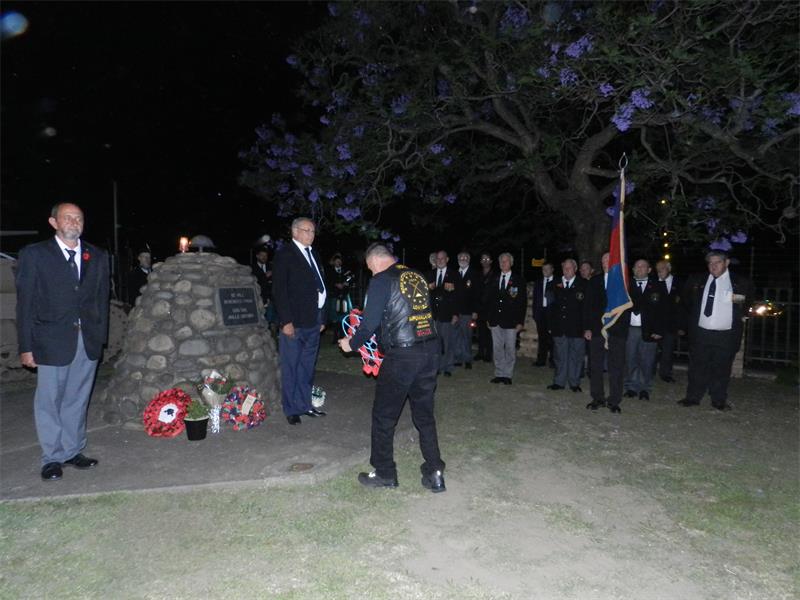
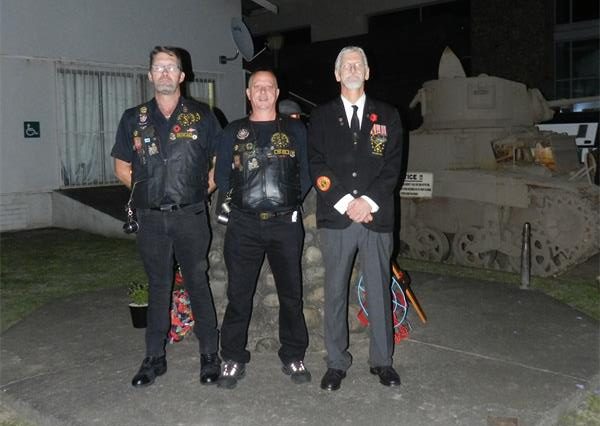
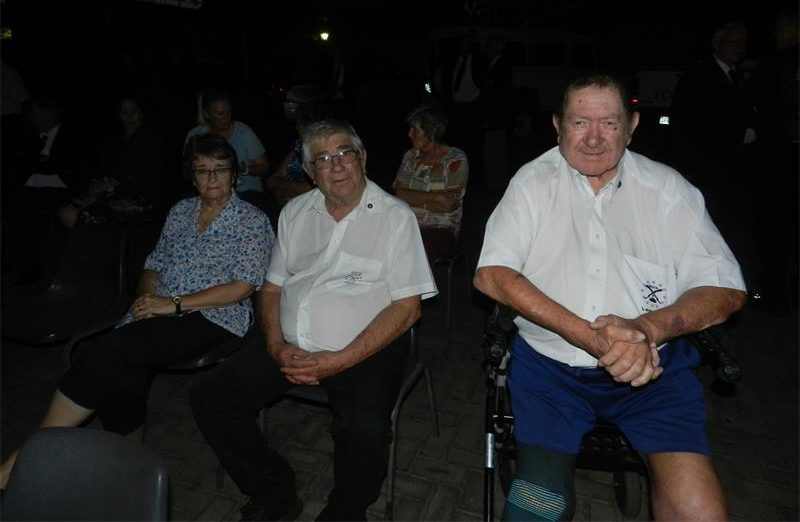
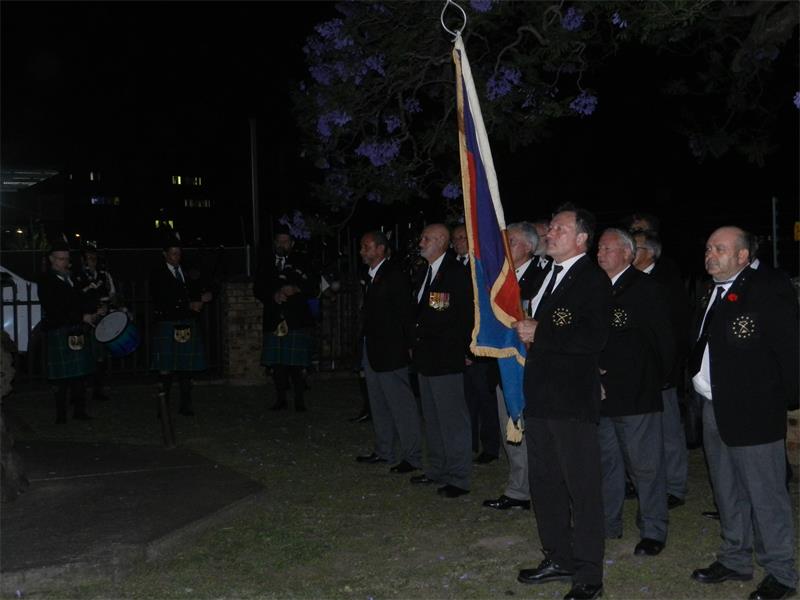
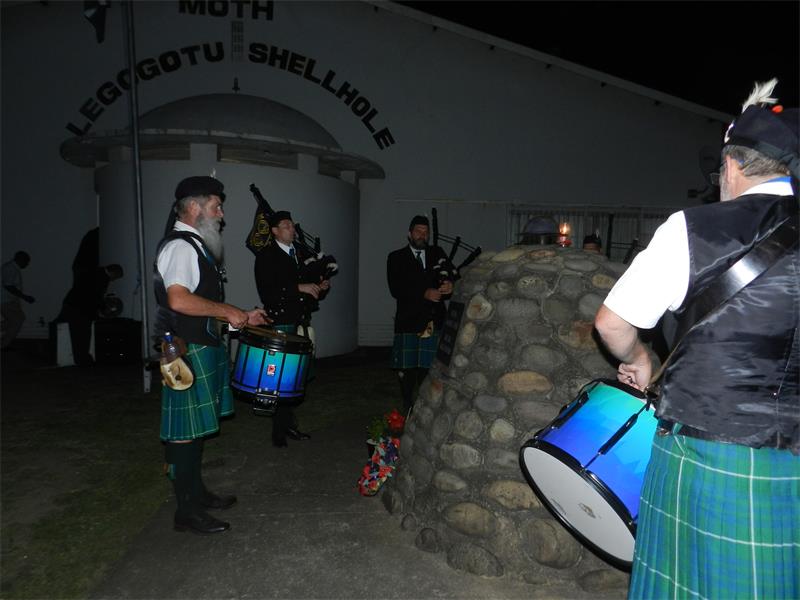
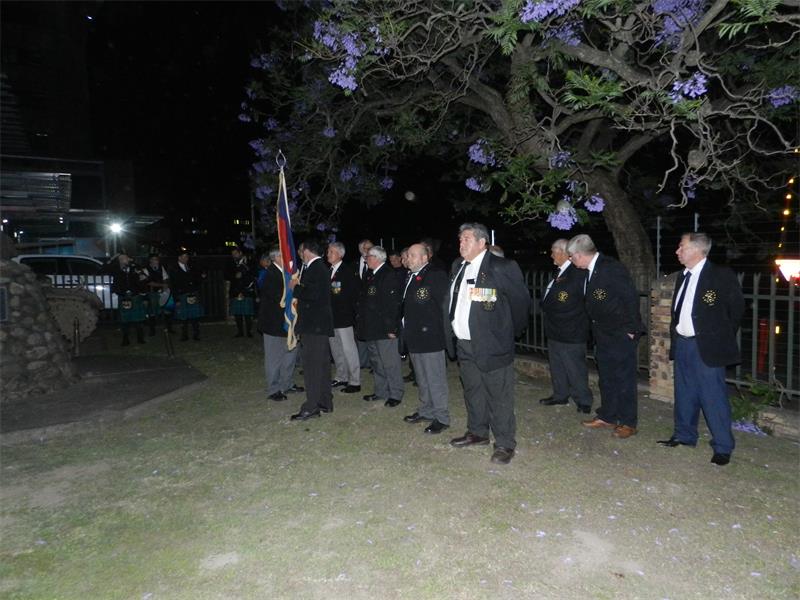
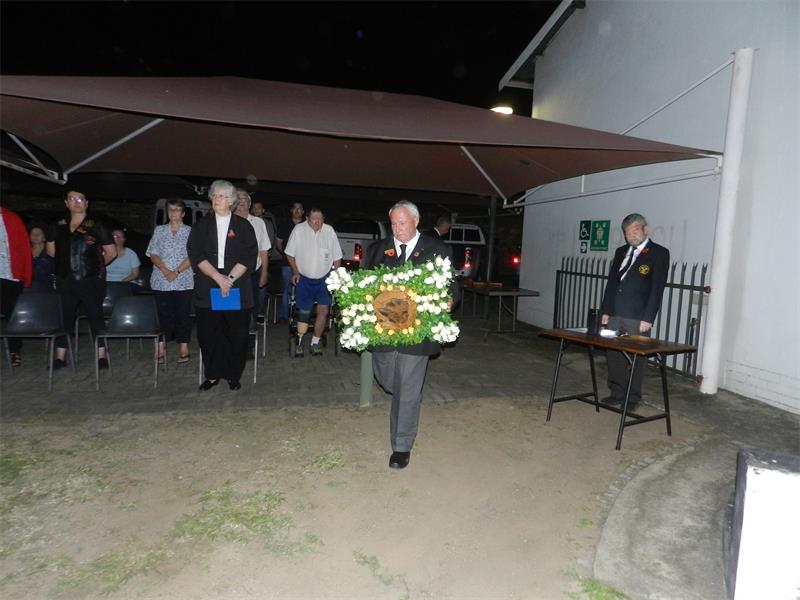
The Shadow Parade was held on November 11 at Legogotu Shellhole with several civilians as well as the Moths in attendance.
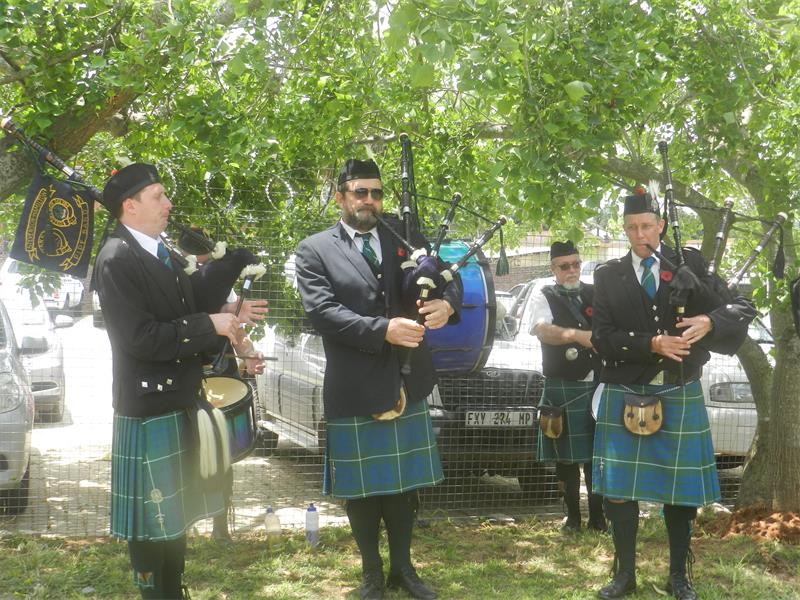
The Stevenson-Hamilton Pipe Band was there to honour the fallen, playing the pipes and drums as the Moths laid down wreaths.
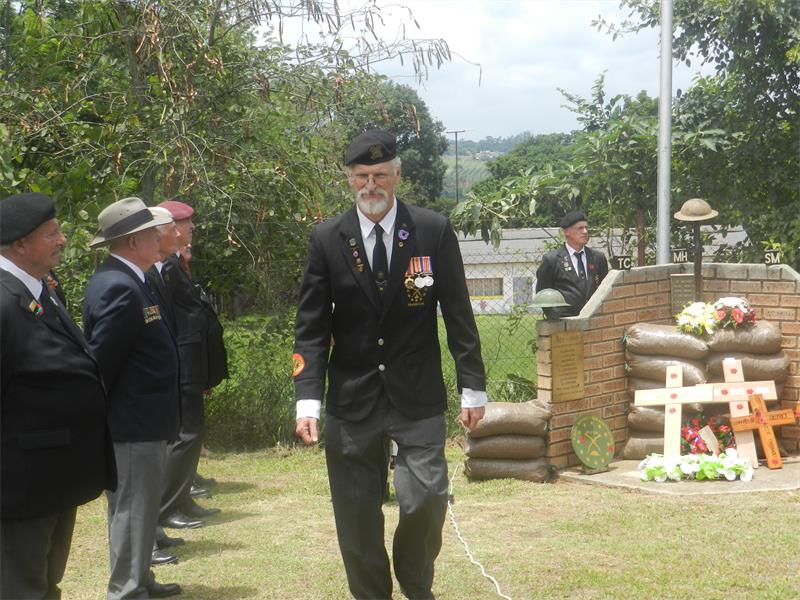
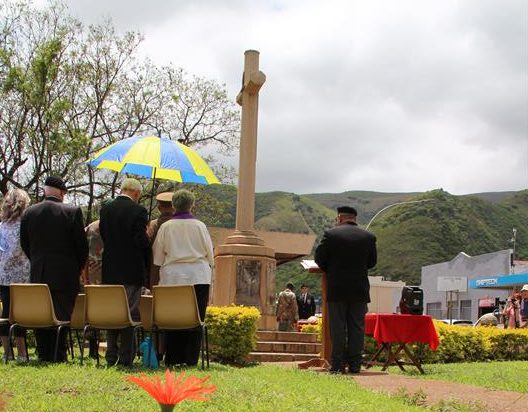
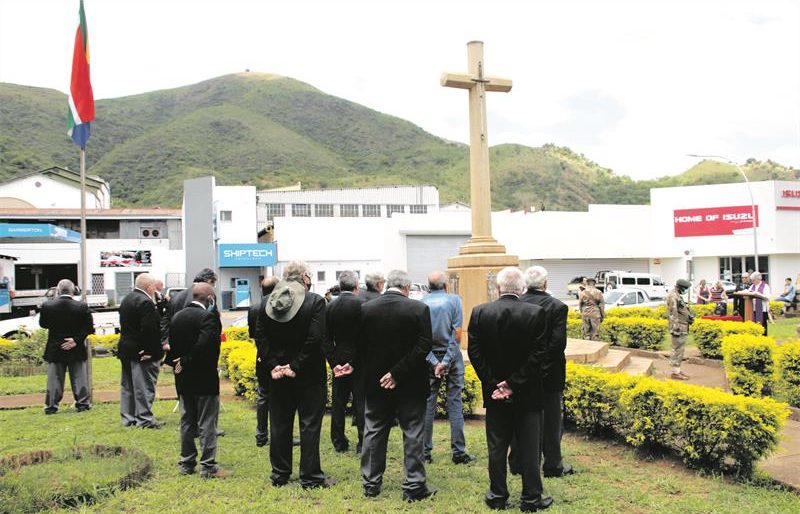
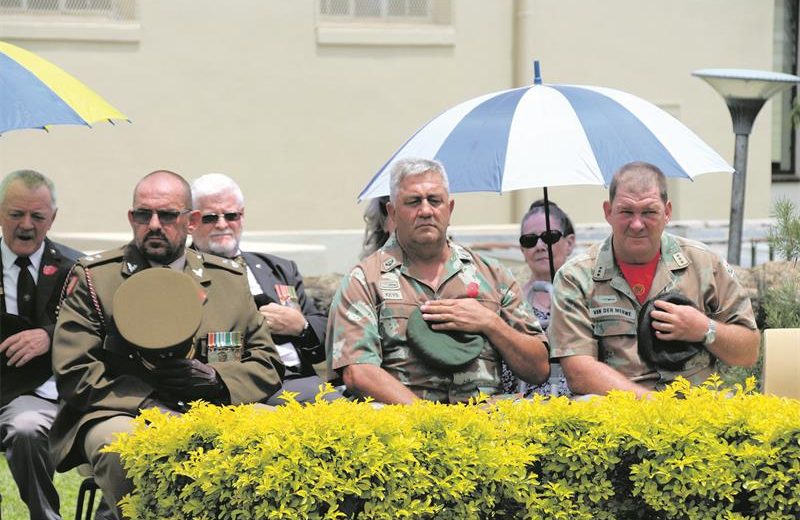
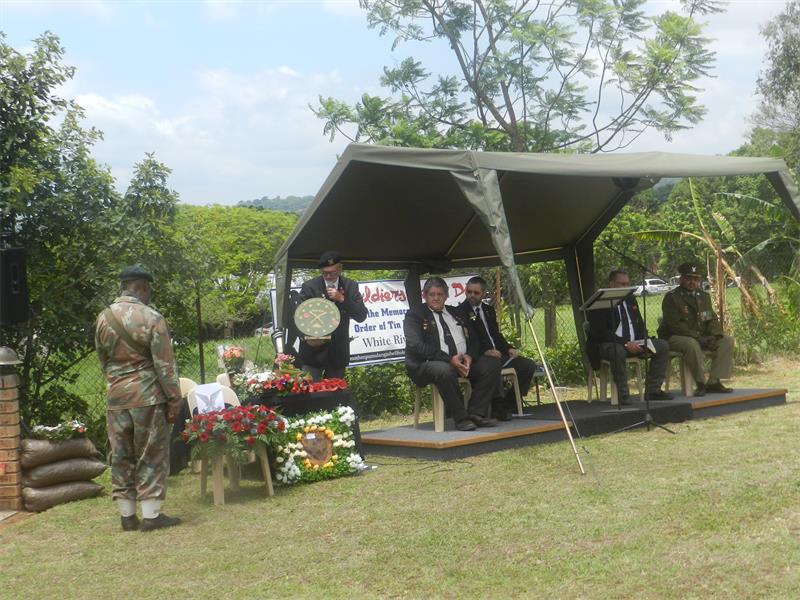
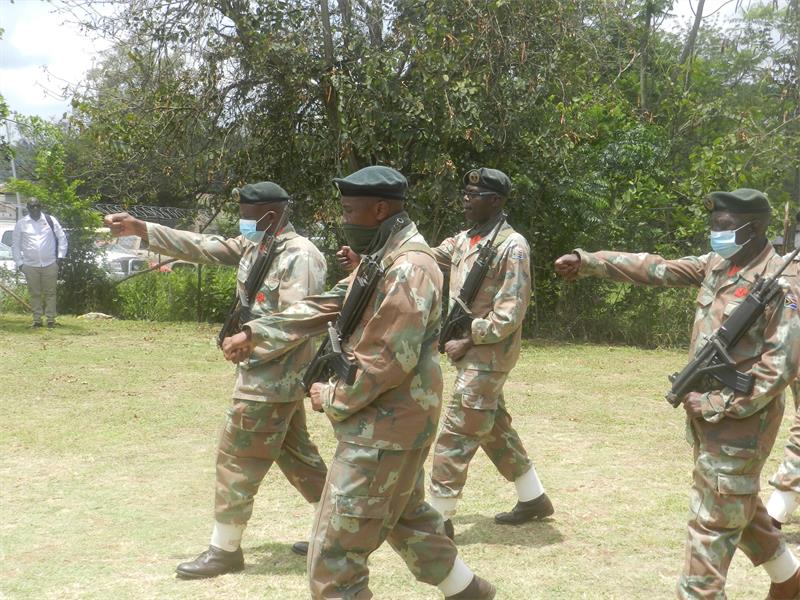
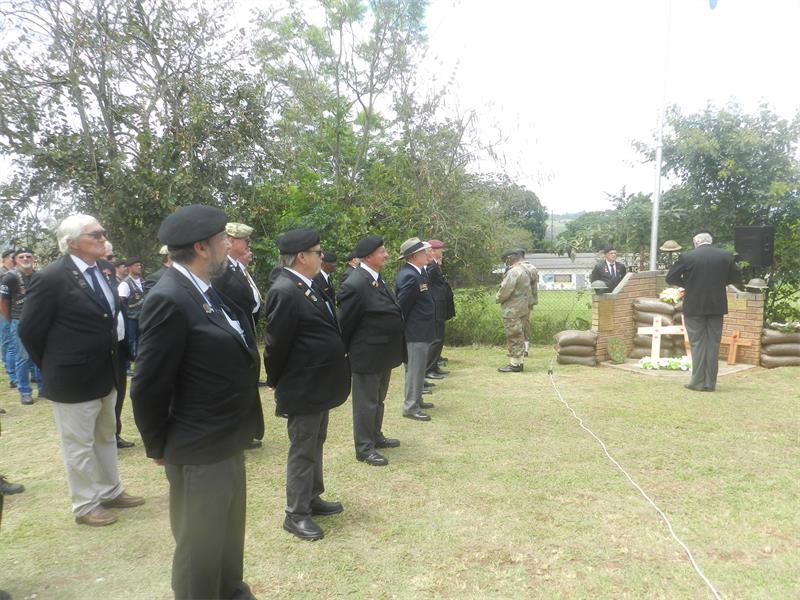
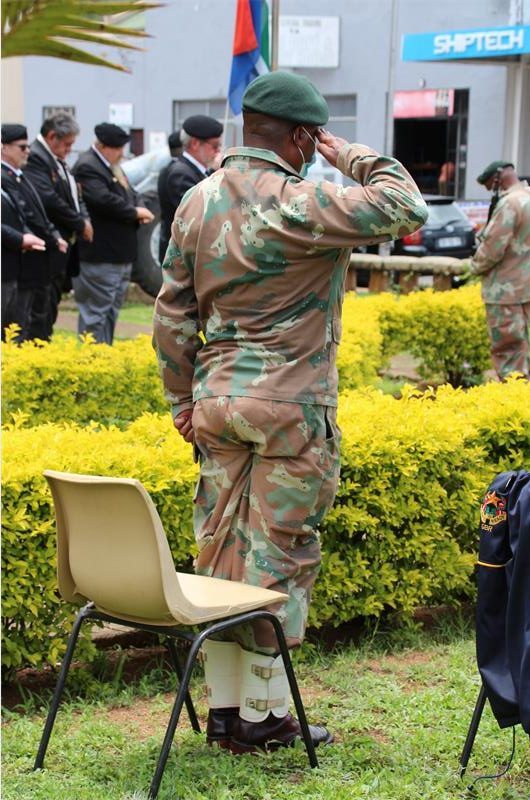
Remembrance Sunday was held at the Mpumalanga Shellhole with many members of the public, several members of the South African National Defence Force and the band in attendance.
A moment of silence was was observed during the Steven-Hamilton Pipe Band’s melodies and the Lowveld Aero Club did a fly-by over the assembly as it has done for over four decades.
Lowveld local, history enthusiast and a member of the Moths, Louis-John Havemann, wrote, “On the eleventh hour of the eleventh day of the eleventh month of 1918, the guns on the Western front in Europe should have fallen silent, signalling the cessation of hostilities, in fact they did not until much later that night.
ALSO READ: Cricket ball-size hailstones obliterate Lydenburg
“As members of the MOTH order, we remember the fallen and the people who suffered because of this so-called ‘war to end wars’.”
Havemann also explained the importance of the poppy in remembering the fallen.
“James McConnell was an American pilot who had volunteered to fight in the First World War and was flying with the French Escadrille Lafayette. He recorded a vivid description of the destroyed landscape below him as he flew over the 1916 battlefield of Verdun. He describes the frontline as a “brown belt, a strip of murdered nature”.
“In the fighting zones the devastation caused to the landscape over a period of years of static warfare created a wasteland of churned up soil, smashed- up woods, fields and streams. Few elements of the natural world could survive, except for the soldiers who had little choice but to live in an underground network of holes, tunnels and trenches.
“The spring of 1915 was the first time that warm weather began to warm up the countryside after the cold winter at war in 1914-1915.
“One of the first pioneer plants that began to grow in clusters on and around the battle zones was the red field or corn poppy (papaver rhoeas).
“During and after the war, the poppy and its connection with the memory of those who died in that war, was expanded to help the military and civilian survivors of that war.”
Havemann said what is not commonly known is coincidently, 38 years earlier the eleventh hour of the eleventh day of the eleventh month of 1880 was the start of the first Boer War.
Do you have more information about the story?
Please send us an email to editorial@lowvelder.co.za.
For free breaking and community news, visit Lowvelder’s website: Lowvelder
For more news and interesting articles, like Lowvelder on Facebook, follow us on Twitter or Instagram