Mpumalanga health addresses long queues at Rob Ferreira amid patient complaints
Officials say that surveys indicate the average waiting time at Rob Ferreira Tertiary Hospital is well below the national target for tertiary hospitals.
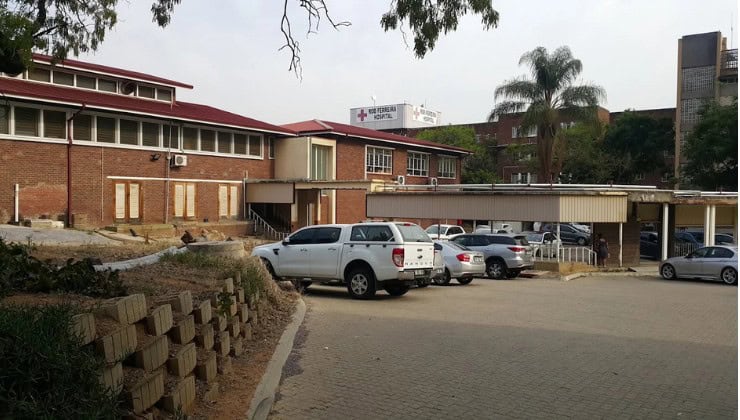
According the Mpumalanga Department of Health, official surveys show average wait times at Rob Ferreira Tertiary Hospital remain well below national targets despite patient complaints.
Department spokesperson Chris Nobela acknowledged complaints from patients who questioned whether the facility has enough staff to cope with the number of people seeking services, particularly in the file collection department.
He said the department conducts quarterly patient waiting-time surveys and develops quality-improvement plans to address identified challenges.
ALSO READ: Rob Ferreira Hospital patients battle severe queue delays
“The measured waiting time at Rob Ferreira, using national waiting-time tools, is two hours and 20 minutes, against a target of five hours for tertiary hospitals,” said Nobela.
Officials say patients bypassing clinics create backlogs
He attributed the congestion to several factors, including patients bypassing clinics and district hospitals and going directly to Rob Ferreira without referrals.
“Most patients going to the hospital bypass their correct levels of care. This results in congestion and long queues. Patients are urged to use local clinics and only go to Rob Ferreira with a referral letter,” he said.
ALSO READ: Former patients speak out on Rob Ferreira care
Nobela added that patients failing to honour their booking dates, not bringing identification documents or booking cards, and taking their hospital files home also contribute to delays.
He said the hospital had repeatedly down-referred stable patients to appropriate facilities, but some continued to return to Rob Ferreira.
“The hospital cannot refuse them treatment,” he said.
Chronic medication collection strains pharmacy
The department also acknowledged extended waiting times at the hospital pharmacy. According to Nobela, about 60% chronic medication prescriptions collected at Rob Ferreira can be dispensed at clinic or district hospital level.
Nobela said the pharmacy has three medication-issuing cubicles serving more than 300 patients a day with prescriptions containing an average of 15 medicines. “Dispensing medication for each patient takes about 20 minutes.”
According to Nobela, the pharmacy has 14 day pharmacists, four shift pharmacists, four night pharmacists plus one shift pharmacist, one community-service pharmacist, two oncology pharmacists, four post-basic assistants and one basic assistant. He added that the admissions section has 21 administrative clerks.
Paper filing creates storage challenges
Another challenge identified by the department is the use of paper-based filing systems.
“This creates storage challenges, although measures are being taken to ensure files are properly stored,” Nobela said.