The countdown to the Uniwisp Kaapsehoop Marathon has begun
Here are some handy tips, as well as other useful information about the race.
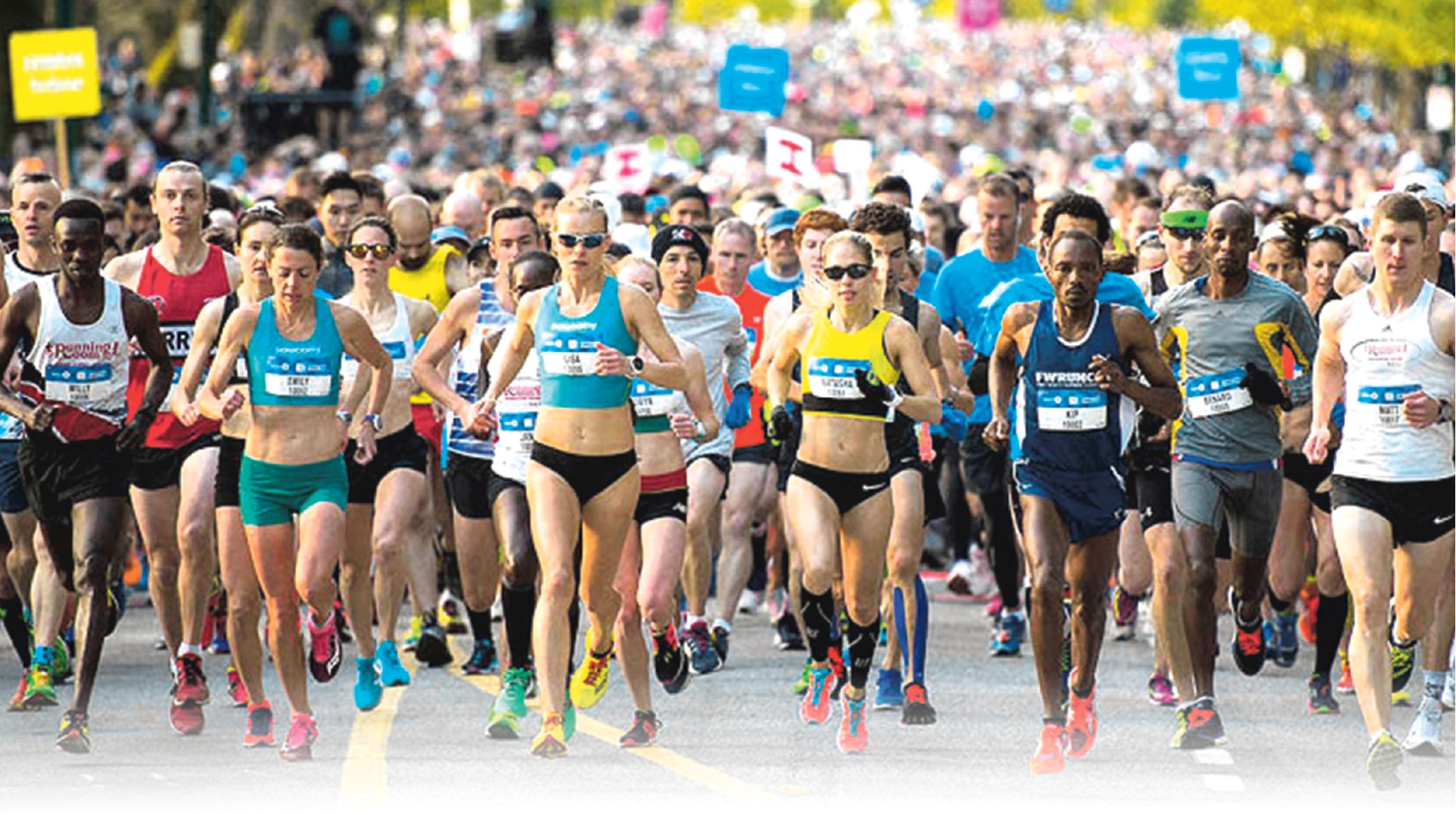
The much-anticipated Uniwisp Kaapsehoop Marathon is finally here. From today onwards, thousands of runners from across the country will flock to Mbombela and surrounds for the 34th time to take on the biggest race in Mpumalanga.
Also read: Springboks ready to bring the World Cup home again
Organisers Nelspruit Marathon Club (NMC) expect some 11 000 entries for the 2019 event. Much to the runners’ relief, the heatwave seems to have subsided. The mercury is expected to rise to 26°C – with cloudy and warmer conditions. Kaapsehoop will see a minimum of 14 and a maximum of 21, with a chance of rain.
But one of the many challenges of this race is that it may well start in cold, misty conditions and then offer sweltering conditions along the route. So participants need to be prepared for all types of weather conditions on the day.
This race is an official qualifier for both the Comrades and the Two Oceans marathons and is sanctioned by the rules of Athletics Mpumalanga. The former was capped less than three days after entries were opened.
The Uniwisp Kaapsehoop Marathon offers three races in one: a 42,2-kilometre marathon which starts at 05:30 just outside of Kaapsehoop, a 21,1-kilometre half-marathon which starts on the Kaapsehoop road at 05:30 and then a 10-kilometre run starting at 06:00 at Mbombela Stadium.
Late entries can be done via the NMC. You can even enter today at Mbombela Stadium between 12:00 and 20:00.
Also read: Phakisa Pumas’ Golf Day was certainly a whole new ball game
NMC and Uniwisp will ensure that there is enough fluid and eats available along the route. In excess of 80 tons of water sachets and 14 000 litres of Coca-Cola have already been delivered. There are 22 water points along the route.
All finishers will receive a medal.
Buses will transport athletes from Mbombela Stadium to the starting point from 03:00. Be sure to book your seat soonest.
Families and are advised to wait at the stadium for the athletes to return. To facilitate this, organisers have ensured the availability of food and drink stalls and of course, entertainment for the kids.
Enquiries about the race should be directed to the NMC on 013-741-5515; 060-852-0340 or email on info@marathonclubnelspruit.co.za.
Fuelling before and during a race (Courtesy of Runners World)
• If you’re racing longer than 90 minutes, carbo loading can apply.
If you’re lacing up for a 10 kilometre, you can skip this ritual. Or if you’re gifted enough to run a half in say, 80 minutes, you may be able to get away without the load. For the rest of us, tapered training accompanied by three days (one day at the minimum) of gloriously imbibing in wholegrains, bread, bagels, fruit and cereal will do it.
• Don’t skip breakfast.
While you may have found some weight loss success with “training low” (in other words training on an empty tank and burning off some fat reserves), race day is not a day to train low. The goal on race day is to perform and finish rather than meet weight goals. Most research suggests you should eat 0,5 to 1,8 grams of carbs per half kilo in the one to four hours before a workout. The longer you have before heading out, the more time you’ll have to digest. Most athletes can handle 0,45 grams per half kilo of carbs (and a bit of protein) in the hour or so before a race.
• If you’re going to run a half or full, you need to fuel along the way.
Certainly, your carb load (see above), if done properly, will fill your muscle glycogen stores to the brim before you take off. But even with the carb load, there’s a limit to how much muscle glycogen you have on board. Which means that at some point during the race, you’re going to need to add some fuel to your tank. You can find the 30 to 60 grams of carbs you need in gels, blocks, bars, and drinks. Aim to consume some carbs every 15 to 20 minutes along the course. This will give your system time to absorb the fuel and disperse to working muscles.
• Don’t wait
If you start to feel good during a race, don’t save your fuel thinking you’ll use it once you start to feel fatigued. By then it may be too late! Instead of letting your glycogen stores get past the point of no return, start fuelling early and often.
• Chase those gels or blocks with water.
Your system will struggle to absorb the badly needed energy unless you dilute it by grabbing some water along the course. So plan your fuelling strategy (especially with gels) around the aid stations.
• Drink along the course.
Every runner is different in terms of choice, volume and frequency. Most find that if they replace sweat losses and are careful to drink to thirst (potentially beyond if sweat losses are intense), they finish the race feeling strong. Personally, I find that as a salty sweater (a really salty sweater, with a sensitive gut), I need heavy electrolytes and fluids. But high-carb sports drinks aren’t for me. When I hit the wall, it’s an electrolyte issue rather than a carb issue.
Like anything, these tips are general in nature. Trial and error and fuelling ahead of a race day will eventually provide you with what works best for you.