Fishtermen on tenterhooks as ban is yet to be lifted
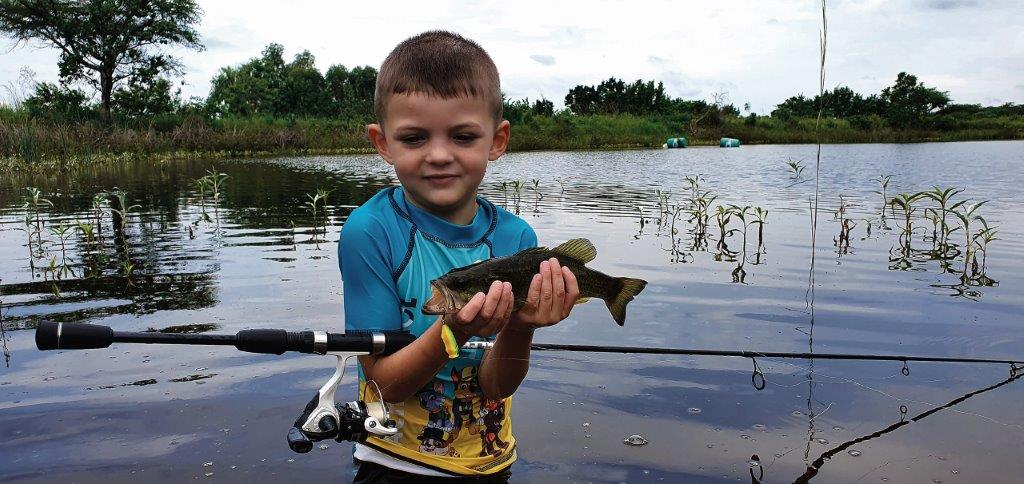
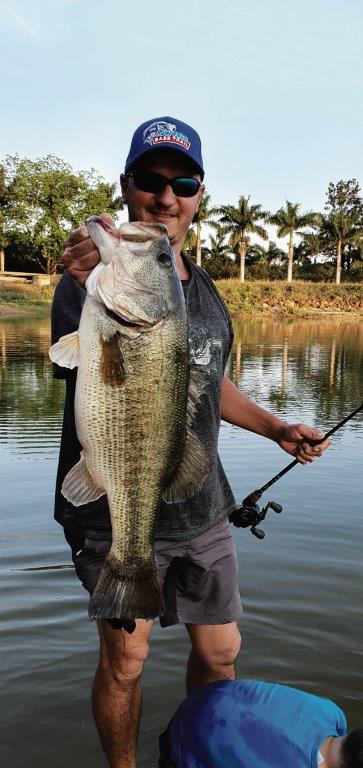
It has been almost two months since local bass fishermen, whether Lowveld Bass Trail (LBT) teams or weekend hobbyists, last felt the excitement of reeling in a largie.
The good news is that, from the end of May, the government is introducing a district-based approach to the lockdown, depending on the number of Covid-19 cases concentrated in the area.
On Monday, the Ehlanzeni District had 36 positive cases, 26 of which had recovered. Things are looking up, but do not dust off your gear just yet. There is still a complete blanket ban on recreational fishing of all kinds across South Africa, and even after a move from level four to three at the end of May, fishermen should practice patience and resist the urge to hit the Lowveld’s many hospitable stretches of water, that is a paradise for bass fishermen.
Anglers can, however, take some consolation in knowing that the controlling body of sport angling in the country, the South African Sport Anglers and Casting Confederation (Sasacc), headed by Andries Maree, has actively proposed to the relevant government bodies to get the sport back to some form of operation, both competitively and recreationally, under strict rules.
Until further notice, only commercial fishing is allowed in South Africa. Should Sasacc succeed, it will be hello finesse fishing after the seemingly overnight arrival of winter.
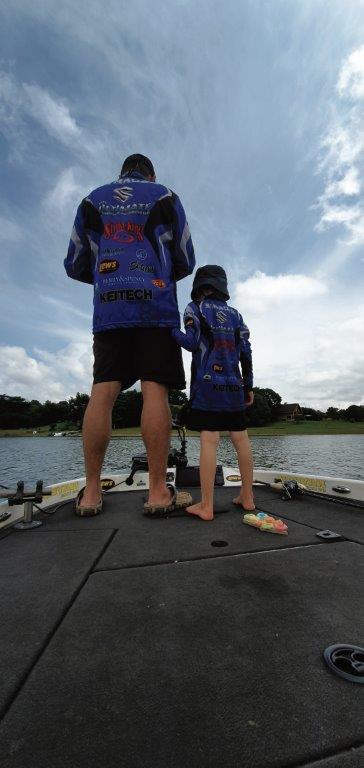
Lowvelder spoke to Morné Strauss, who tops the LBT log with his brother, Jaco, after the second leg of the competition at Nooitgedacht Dam, to find out how the fishing conditions have changed while fishermen were left high and dry.
“Should we be able to return to the waters at level three, winter will have started, and fishing usually becomes difficult due to a drop in water temperatures,” he said, explaining that fish become lethargic, and less hungry due to a drop in their metabolic rate. “That is why we use smaller lures and a much slower retrieve, and target deeper areas of the dam.” Generally the pre-spawn in South Africa will begin around late August through early September, but bass will spawn much earlier in this region due to its climate.
When looking at water temperatures from around 15 degree Celsius and rising as the days progress with stable conditions, to around the
16,5 mark, this could be a good indication that bass will be on the move, with anything between 18 to 20 degrees Celsius usually being ideal spawning temperatures.
“Pre-spawning will, however, differ from dam to dam. At Komatipoort, bass will start spawning as early as July, in contrary to the Highveld – September/October,” Strauss said.
Generally, August is the best time to target bass as the season changes, they being quite hungry after the winter phase.
“Fish tend to feed aggressively before they move from the deep into shallows, creeks and gravel-type substrates, for example, in preparation of spawn,” he said and reiterated that bass in the Lowveld tend to dive deep during June and July, when fishing can be even more challenging.
“I use California rigs, jigs, drop shot rigs and deep-diving cranks, for instance. Fish tend to move in schools, and will most likely be found at drop-offs,” Strauss said.
He added that the cleaner the water, the deeper the fish. “If the water is clean, I suggest using natural colours. I like using dark colours, such as junebug or black in the early morning, and as the sun rises, move on to natural colours, such as pumpkin green or watermelon.”
ALSO READ: Brett shares pain and ecstasy of 24-hour mountain bike challenge
“My secret is to do 80 per cent of my planning, before heading out. This will include elements like wind, water temperature, air temperature, incoming cold fronts and atmospheric pressure, to name a few. It is, however, important to have a plan A and B,” he said.
“One of my biggest secrets that I do not mind sharing is using Google Earth Pro. I choose a date when the dam was at its lowest, to know where the rocks, drop-offs and trees are when it is covered with water when the dam levels have risen,” he concluded.
ALSO READ: Local runners complete 42km in their own backyards during lockdown