How to keep your cool on gravel roads
Many licensed drivers have never driven on gravel roads. Some are inexperienced and unprepared for the unique challenges when doing so. This inexperience and lack of safety awareness result in too many fatalities and injuries in rural areas.
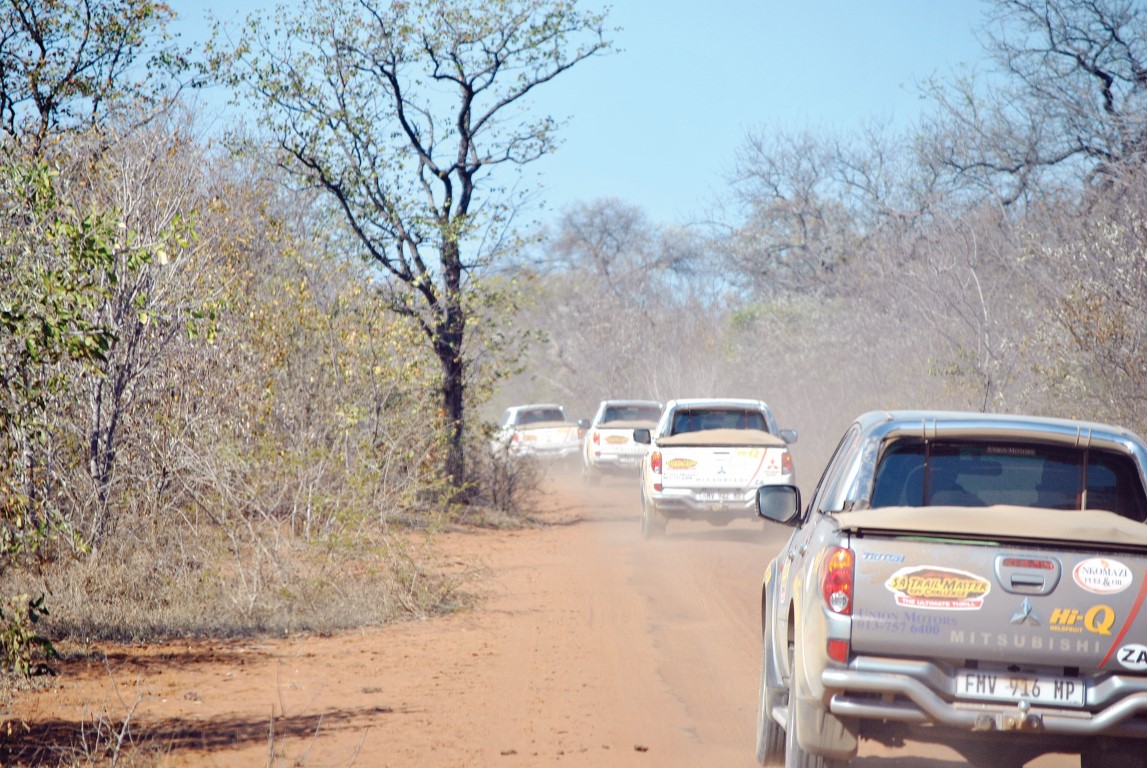
We must equip ourselves with the knowledge and skills required to adjust our driving behaviour when moving from tarred to gravel roads.
A driver has to remain focused on the specific road surface at all times.
Challenges to safe driving
Gravel roads present their own unique challenges and should be approached with caution. Some of these are broken fences, wildlife and livestock on the road, tractors, grain trucks, quad bikes, and cyclists. They are narrow with a soft, sloping shoulder – or none at all. There is also bad visibility due to dust, rain plus gravel equals mud, which is slippery and results in increased risk of rollover.
Safe driving techniques
Control your speed
High speed and quick manoeuvres on gravel roads are a recipe for disaster. Most accidents can be prevented simply by slowing down. Reduce your speed when approaching intersections, curves and hills.
Stay in tracks
It’s generally a good idea to drive in existing tyre tracks worked into the gravel even if there’s only one set in the centre of the road.
Maintain effective following distance
Even if the visibility is good and the road is hard packed, keep a following distance of at least six seconds behind other vehicles.
Be ready for skids
A vehicle can become difficult to handle on heavy gravel and may skid. Remain calm. Take your foot off the gas or brake, look where you want to go and steer in that direction. Drive at a low speed.
Know your tyres and be aware of reduced traction
Less traction means less control. The most effective tyres on gravel are those with a chunky tread pattern, similar to what is found on an off-road vehicle. Wider tyres are more effective than thinner ones, since grip increases with the area of the contact patch.
Steer safely
It is important to drive “smoothly”. Maintain your focus on steering the vehicle with both hands on the steering wheel and avoiding sudden movements.
Be cautious when overtaking
There is a need for special caution when overtaking on gravel roads. There are no road markings to indicate whether the stretch is safe to overtake and you may not be aware of other side roads and farm entrances. Do not assume that the vehicle or farming equipment ahead of you is roadworthy or that it will indicate before entering a side road. Only overtake on a long stretch of straight road where visibility is clear.
Keep to the side of the road and check for visibility
Keep to the left as you approach and go around corners. If someone comes from the other side at high speed, you might not have the time to safely move to your side. Gravel can be very dusty, especially in dry weather conditions. When you pass a car coming from the other side, there might be a short period where you might be enveloped in a cloud of thick red dust.
Losing control and making an emergency stop
Even the safe and focused driver could find himself in the position where he has to make a sudden emergency stop.
Best advice in case of an emergency
It is most important to remain calm and keep both hands on the wheel so you are in control of the vehicle – do not fight it! If your vehicle begins to skid, don’t hit the brakes. Take your foot off the accelerator, stay calm, look where you want to go, gently steer in that direction and keep driving at a lower speed.
Accidents occur when the driver tries to correct the movement of the car, losing control and eventually crashing the on the opposite side of the road.
To straighten your vehicle when it is sliding sideways, steer out of the slide. Steer in the direction of the forward side of the vehicle. Don’t be afraid to use the entire width of the road easier to slide gently over to the wrong side than to try and wrestle the car into line on the correct half of the road.
While you try to steer out of the slide, ease off on the accelerator and maybe gently apply the brakes.
What if I cannot avoid the crash?
If you cannot avoid a crash you should try to crash in a way that will minimise damage to yourself and other passengers. You don’t want to be brought to a sudden halt. If given the choice between a single large tree or a fence, 20 metres of loose scrub and then a ditch, choose the latter. It will stop you slower. If you must hit something, hit it with the front of the car, as it is designed to cop the brunt of a serious collision.
Once you have stopped, it would be wise to get out of the car if you can, as with all that fuel and heat around, there is a chance of the car catching fire. Be careful if you have to pull other people out of the car, you may be worsening possible spine injuries.
4×4 vehicles and driving on gravel
For the safest drive on gravel, a four-wheel drive system is always desirable. This lessens the effects of oversteering and understeering that become apparent in rear-wheel or front-wheel drive. Front-wheel drive cars behave more predictable on gravel.
Ed: Article shortened