There is more to bushings than meets the eye
Suspension bushings play a pivotal role on 4x4s acting as a buffer between moving parts and preventing abrasion or shock from being transferred and damaging key components.
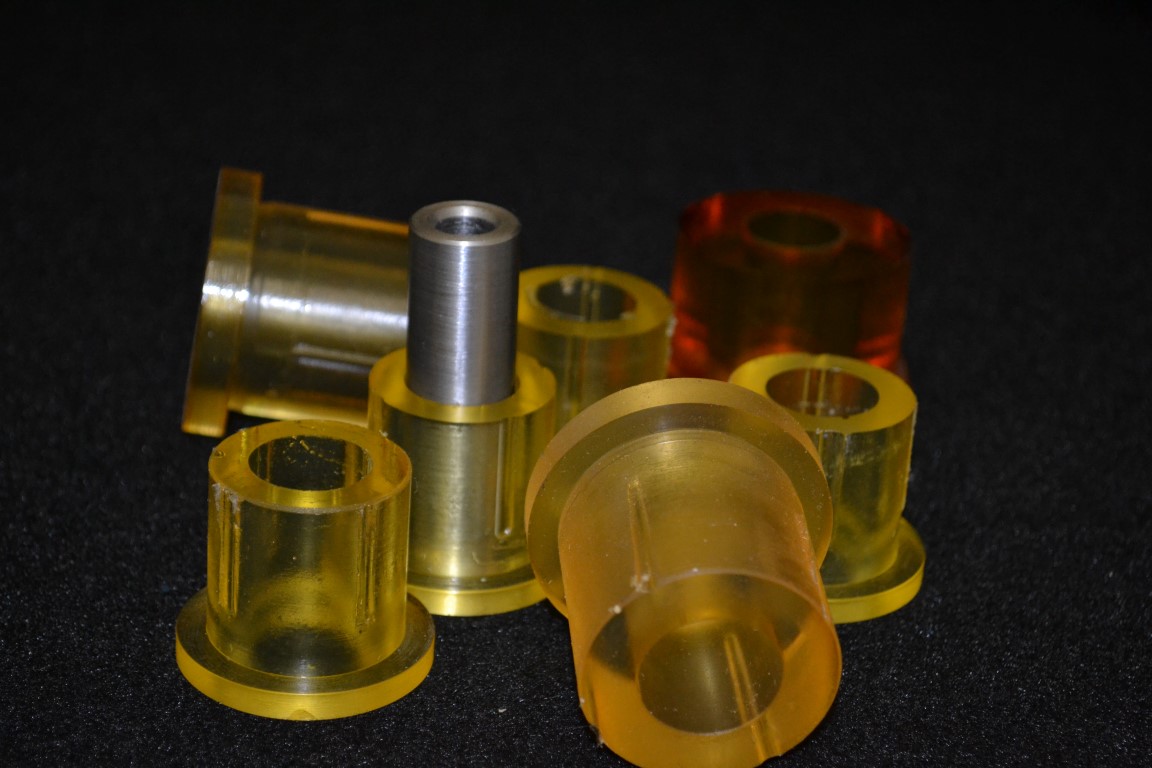
In the world of serious off-road enthusiasts, every inch of an advantage is sought to either get over the greatest obstacles quicker and safer or to make overland adventuring across borders easier with the least chance of hiccups to disrupt travels.
This is why apart from all manner of expensive modifications, the humble suspension bush is usually one of the most commonly replaced parts on an off-roader to improve the performance of a vehicle. Usually costing below R100 each, the bushes are critical to protect the cars’ suspension and maintain alignment and tracking of the vehicles’ wheels. In addition bushes are able to absorb the impacts of the road (or track) and ensure a level of comfort that is bearable to the occupants.
For tough conditions
Having learnt from their cross-border trucking peers, the 4×4 community in South Africa is increasingly opting for polyurethane aftermarket bushings that are tougher and stronger than their original rubber counterparts. However, polymer expert Fred Evans of Polyflex Urethanes, says 4×4 owners need to know more about the properties of polyurethane and understand the benefits and limitations of the material before rushing out and replacing the original equipment manufactured (OEM) bushings.
“Firstly, it is important to note that in normal everyday use on and off the road, standard bushings are more than adequate. Polyurethane bushings are usually used for severe or extended off-road applications such as in highly competitive or overland vehicles. In these instances the polyurethane’s vastly superior strength characteristics lend added durability to the vehicle and leave drivers with one less thing to worry about.
“But, for highway users and those who do occasional off-road driving polyurethane bushings that mount directly to the cab may give a little bit of a rougher ride as many are moulded to be somewhat harder than rubber with a hardness of 90 rather than rubber’s 70 score. A small price to pay for those who really need it, but perhaps an unnecessary addition for those who don’t,” says Fred.
Not all bushings are equal
He says that although polyurethane can certainly be moulded to be softer (equal to rubber) without losing much of its strength characteristics, the decision really is about whether the vehicle is to be used in tough off-road applications or not. Not surprisingly with the growing popularity of polyurethane bushing, there are a number of newcomers into the market supplying different types (and grades) of these suspension parts to an ever-trusting community of off-roaders.
“Not all polyurethane bushes are the same and for suspension bushings we strongly recommend doing some research on the origins of the bushings. As far as is possible they should be procured from a supplier that uses professional automated dosing, mixing and curing equipment and avoid the ‘broom handle and bucket brigade’.
“In addition it is important to remember that at molecular level the cross linking of particles for strength is far higher when the material is liquid cast, rather than injection moulded. The process of casting products from a liquid state allows molecules to become closely linked and makes for far stronger end products, but the slower process usually means that the products are slightly pricier than the mass-produced injection moulded equivalents.”
OEM rubber vs polyurethane
Fred explains that many people think that the OEM supplied rubber components are as a result of in-depth research and development and cannot be improved. This, he says, applies mainly to the manufacturer’s price requirements (rubber is inexpensive) and the softer compounds available. In reality polyurethane has superior attributes to rubber in almost every instance.
“Manufacturers need to cater to the masses and not to individuals who are prepared to spend some extra money on improving their vehicles ability off-road. For those individuals who built up old vehicles or modify newer ones for off-road applications it is a good idea to find out about replacing worn bushings with polyurethane and so considerably lengthen the period between renewing bushings in future,” he concludes.