Neglect can trigger cooling problems
If one does not apply regular maintenance to your car’s battery or cooling system, cold or winter conditions may just trigger latent and potential problems, often leaving one stranded at the most inconvenient times and places.
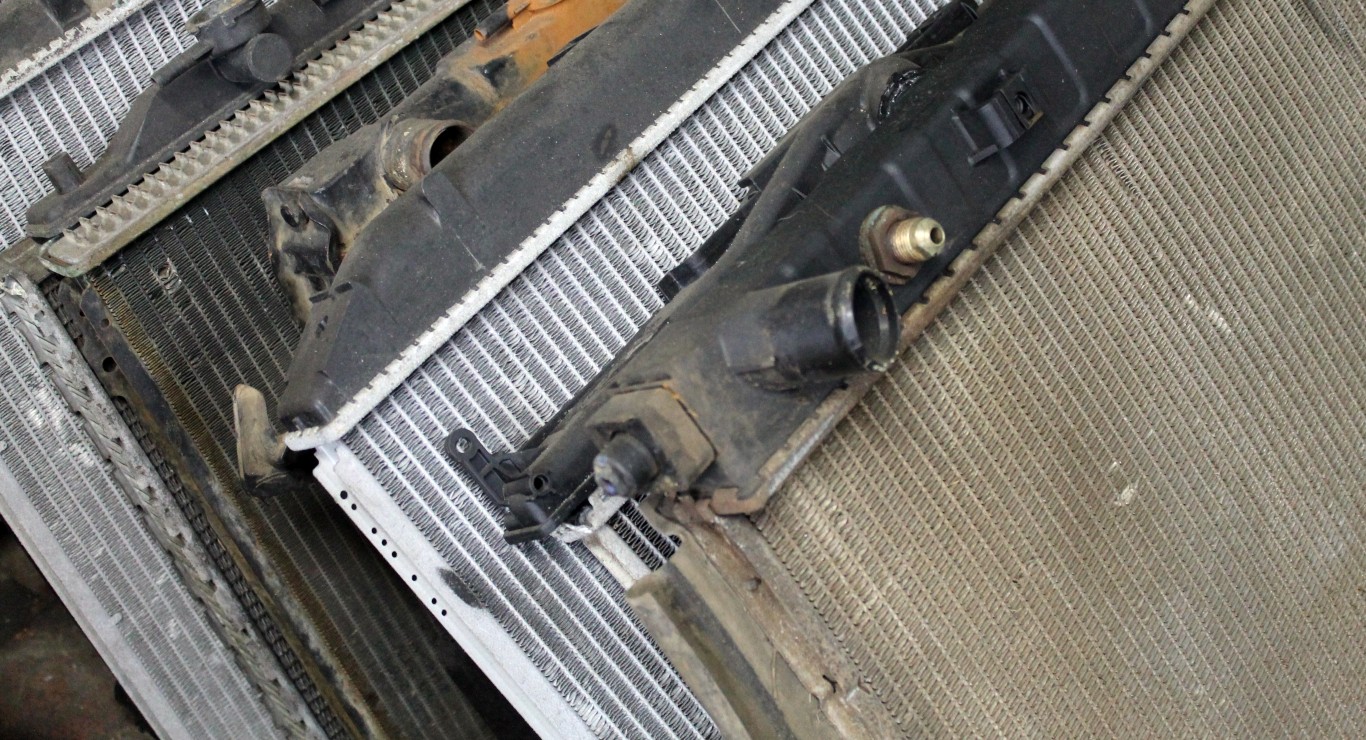
The primary function of the radiator is to transfer waste heat energy to the cooling air at a rate that will maintain a safe-operating temperature for your car’s engine to perform at its optimum level. It is thus imperative that battery and radiator inspections be done at least once a week. The car’s engine generates enough heat that can destroy itself if the cooling system does not operate at
its optimum.
According to the International Heat Transfer Association (Narsa) vehicles of five years and older are prime candidates for cooling- system problems. Exposure to various environmental debris like ocean air and various chemicals break down the metal in the radiator core. Radiators needs to be checked for leaks – even the smallest leak can cause havoc over time – check hoses and thermostats and perform a radiator flush the moment you spot corrosion debris in the water.
One often noticed a temperature increase while stuck in traffic – a highly stressful experience as many would attest too. To manage the situation there and then, try the following: Turn on the heater – it will draw some of the heat into the cabin, pull over and switch the engine off. If none of these are successful, it is of course time to have the system checked by a professional. They will check the following: A visual inspection, test the radiator pressure cap, thermostat, perform a pressure test, an internal leak test, check the engine fan for proper operation and last but not least perform a power flush and refill the radiator with the manufacturer’s recommended coolant mixture.
Of course in serious cases they may have to perform a complete reconditioning which will include a recore of the radiator.
Those in the know advises that one replace the coolant in your radiator once a year – flush the system at least once every two years and make sure that you only use a high-quality antifreeze. Antifreeze contains additives that prevent rust and corrosion. Antifreeze is a 50/50 mix of glycol/ and water and prevents water in the system from either freezing or boiling depending on environmental and operating temperatures.
Remember antifreeze is toxic – don’t pour it down the drain and keep it out of the reach of children.