Land Rover Club still going strong after 55 years
Southern Africa’s oldest 4x4 club recently celebrated its 55th anniversary. In honour of the occasion, motoring enthusiast Richard Bingham donned his off-road boots, lost himself in a field of Landies and got a history lesson.
The old axiom, “the more things change, the more they stay the same’’ might sound clichéd, but after joining the Land Rover Owners Club (LROC) of South Africa at its 55th anniversary festival, I can’t think of a truer statement.
Sure, there are some things to which the statement blatantly applies, like the iconic 67-year-old design of the Land Rover Defender. But it also applies to the club itself – its members, the vehicles they drive, the club’s founding principles and the way they celebrate Land Rover.
Stories of founding members at the club’s first gatherings in the very early 60s can be found by flipping through the history books or by chatting to current club chairman, Attie Smit.
Members gather to host rallies, meet up for some off-road trails, explore Africa, arrange socials, plan safaris, and build great friendships. Naturally, they weren’t afraid to get some grease under their nails to get things done. One of the famous stories involves a member encountering a seized piston while on a safari. His makeshift fix saw him disassembling the engine on the side of the road, removing the broken piston and connecting rod, and finishing the trip on just three cylinders. If not testimony to his ingenuity, then definitely to the bulletproof engineering on these vehicles.
With that level of technical expertise, it’s also easy to deduce that early members weren’t afraid to modify their vehicles to make them even more capable in the world’s most testing conditions. These ranged from practical mods, like long-range fuel tanks to help them get to the most remote parts of Africa, to the fitment of camping gear, such as water tanks, gas stoves and roof-mounted beds.
Some of them would return from expeditions with homemade films to share. Simply owning a vehicle in those days was prestigious, so the fact that owners boasted video cameras wasn’t all that outlandish.
Good friendships formed back then – many of which continue to this day, with some founding members still in touch with the younger LROC generation.
Fifty-five years later
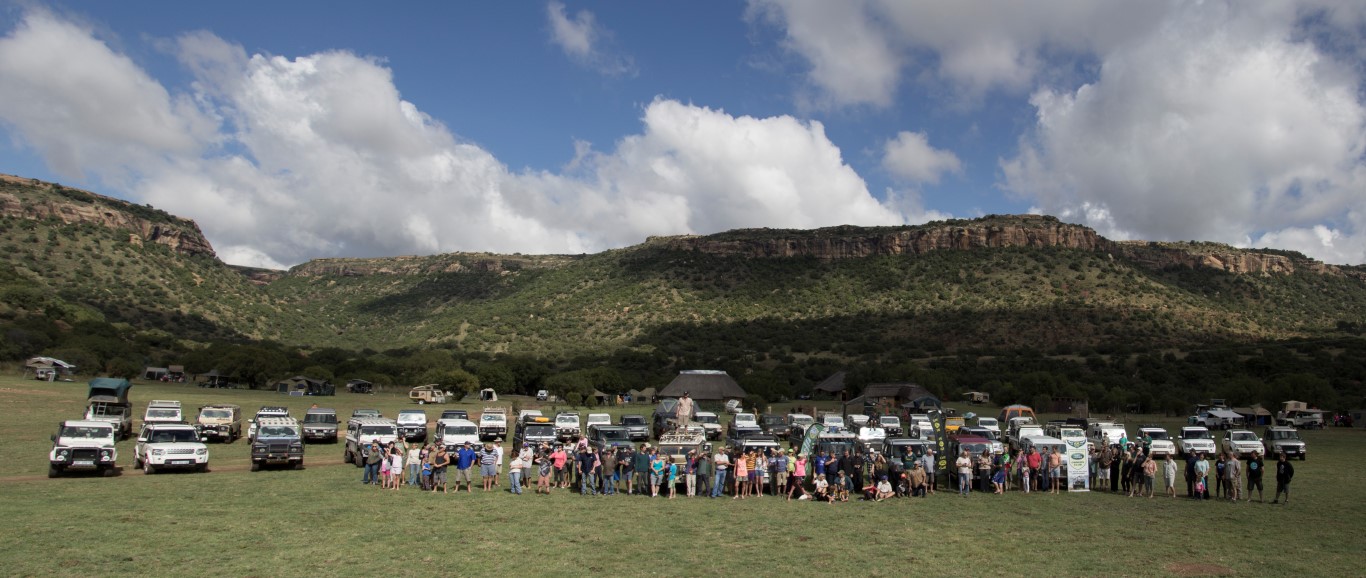
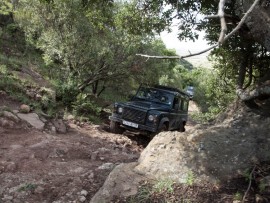
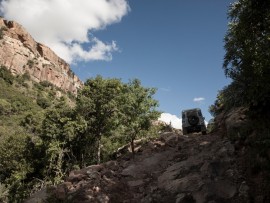
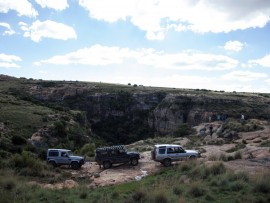
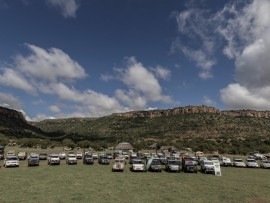
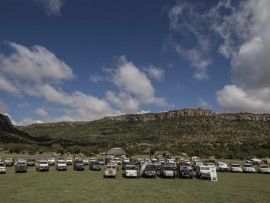
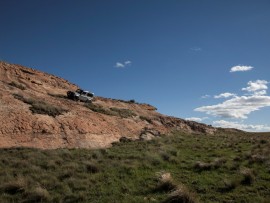
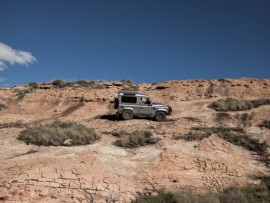
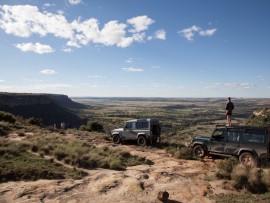
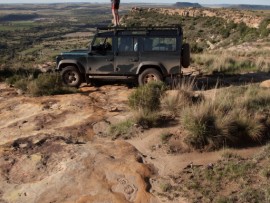
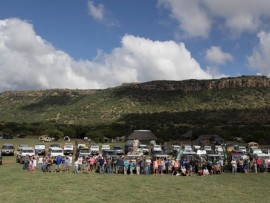
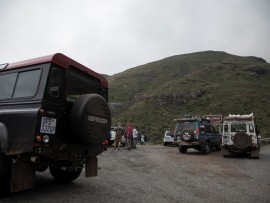
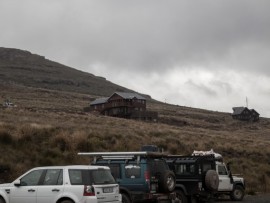
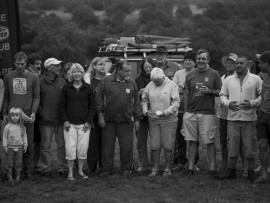
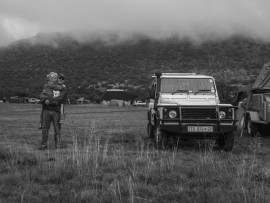
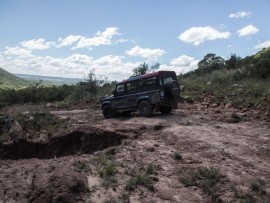
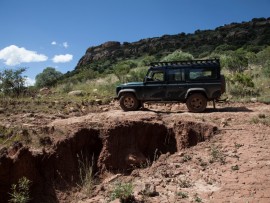
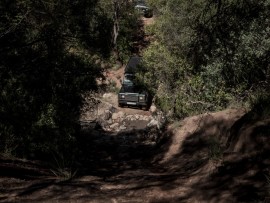
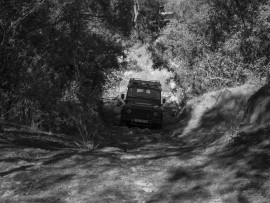
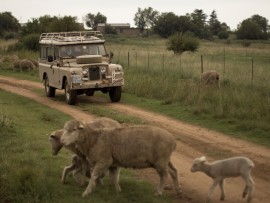
On our 55th commemoration trip we arrived at a campsite on the Korannaberg Farm in the Free State, 30 kilometres from the nearest tarred road, where we were greeted by a field of Land Rovers.
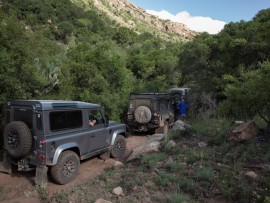
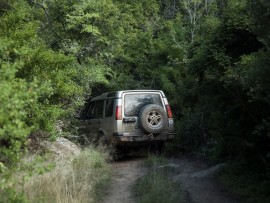
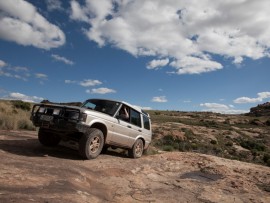
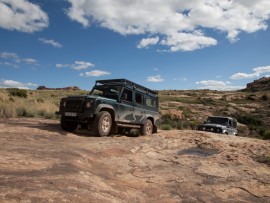
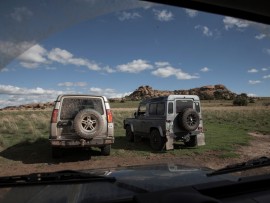
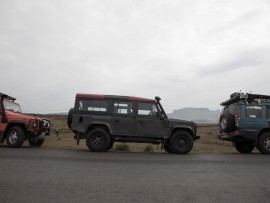
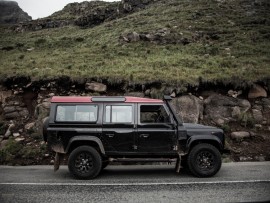
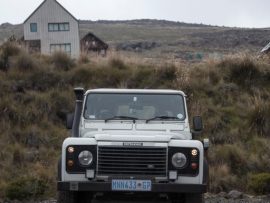
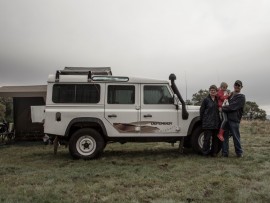
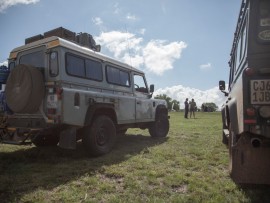
Defenders new and old, some boasting what looked like the original, skinny bias-ply tyres that were fitted at the factory. Station wagons and pickups. Standard and extremely modified (one example boasted a transplanted V8 engine – can you imagine his fuel bills?) These joined examples of every generation of Discovery. Curiously, the older the Discovery, the more likely it was to be fitted with outlandish mud-terrain tyres. The newer Discovery 3 and 4 models remained in standard condition, since they still had to do everyday duties as sensible urban family vehicles.
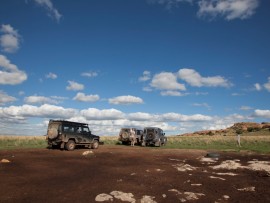
Some were parked in little groups: The Western Cape, KwaZulu-Natal, and Eastern Cape chapters had also shown up for the club’s milestone celebration. For some, this was only the start of their trek – the group from the Western Cape planned to continue delivering supplies to villages in Lesotho, before hitting the long road home.
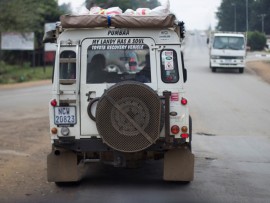
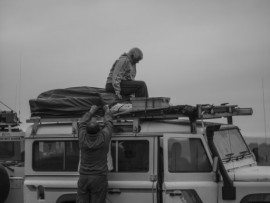
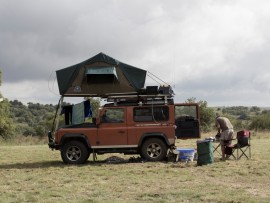
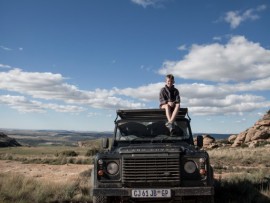
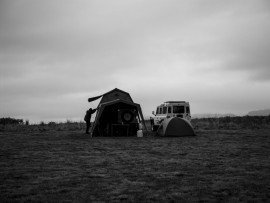
Those who had travelled the long road weren’t afraid to get down and dirty. Despite some fresh cowpats and rain-soaked grass on the camp grounds, they still pitched their tents. A few members transformed their travelled Defenders into houses on wheels by camping on their rooftops, using the load areas as kitchens.
Safari veterans came prepared with off-road trailers and gazebos. Discovery owners, a bit savvier in their approach, parked neatly next to their caravans. No matter the approach to outdoor living, everybody was socialising, sharing fires for cooking food, and exchanging stories of successful travels.
Warm welcomes and firm friendships
Despite showing up completely unprepared, we – photographer Jason Bronkhorst and myself – were given a warm welcome. We were offered empty space on the braai grill, some paper plates and a comfortable place to rest on some borrowed camping chairs.
This was the level of kindness and hospitality we witnessed throughout the weekend. Concerned neighbours stocked us up with muffins and biscuits for breakfast.
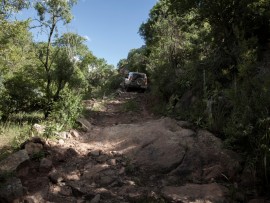
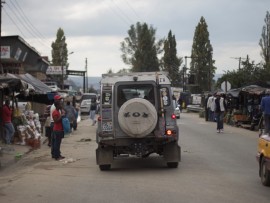
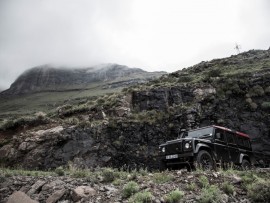
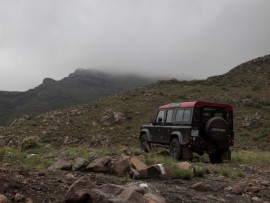
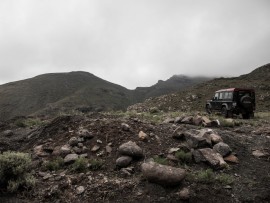
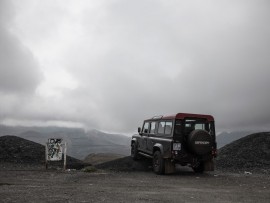
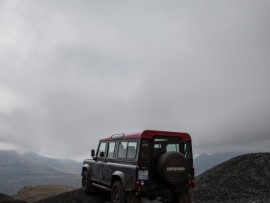
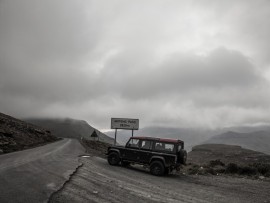
On a day trip to Lesotho, local children were given snacks when we stopped at villages.
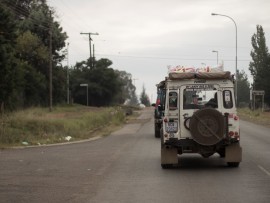
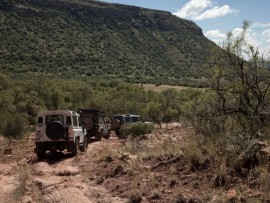
Key members also used radios to help keep the entire convoy rolling. Even though some went their own way, everybody eventually made it to the lunch stopover.
It’s clear that the camaraderie in the club runs deep. With only a vehicle brand as its bond, it’s amazing to think of how many friendships have formed over the 55 years that have passed since the LROC was established. Newcomers are welcomed, no matter how junior they are, or how little off-road experience they have.
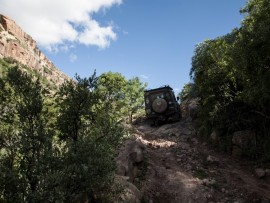
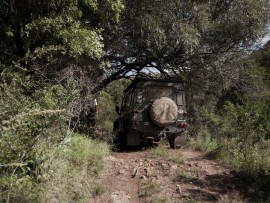
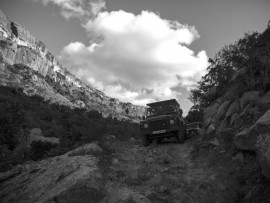
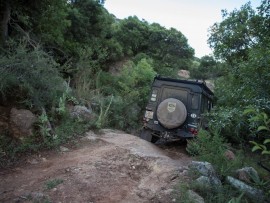
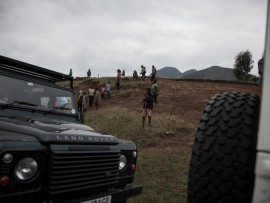
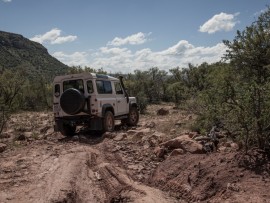
Instructors and experienced members were on hand throughout the weekend to make sure nobody got stuck on the tricky trails. As the anniversary weekend wrapped up, the club hosted a film evening – in just the same way it happened at the first gatherings. Video clips and photographs of the past few days of travelling were projected on the big screen in the clubhouse. Stories were swapped over dinner. Plans were made for the next great off-road adventure. And the bonds of friendship grew even stronger.
Indeed, the more things change, the more they stay the same.
Over the years
Just how long has the LROC of South Africa been around? Fifty-five years is a long time for anything to be around, never mind a group of enthusiasts for a single brand. The club of South Africa (LROC SA) is Southern Africa’s oldest 4×4 club, and it also has the honour of being one of the oldest Land Rover clubs in the world.
Attie Smit, chairman of the LROC SA explains that in 1960, when the club was officially formed, the process of becoming an officially recognised club involved submitting registration documents to Land Rover’s head office in Solihull. However, he admits that there is contention about the Scottish LROC being older.
Back then, the Rover Company Ltd started the official LROC in the UK after seeing the large number of proud Land Rover owners in the country. It took this so seriously that the club was even assigned a full-time representative from the manufacturer. It also meant that foreign clubs could register with the factory and automatically gain affiliation with the official and original LROC.
In the 50s, the Scottish members of the original LROC sought independence, and their wish was eventually granted in 1958. A Scottish Sector was formed, and given official recognition. High-ranking members of the parent club attended Scottish Sector annual general meetings and events, and the sale of official Land Rover paraphernalia.
However, the inexorable march of time saw Rover taking things into its own hands. In 1966, the British brand hosted a meeting with all areas in which LROC UK had members. This resulted in the formation of the Rover Owners Association, of which the separate areas of the LROC would become affiliated clubs. Scottish members unsuccessfully voted against this change, and in the following year registered with the Royal Automobile Club to be a separate entity – the Scottish Land Rover Owners Club.
On that technicality, then, the South African club could be the oldest. It has been around in its current form since 1960, while the Scots – despite being an official offshoot since 1958 – only registered as an independent club much later.



Article with permission from LROC and Meropa Communications