
MBOMBELA – From March 31 next year, publishing online may not be as easy anymore. In terms of proposed Internet regulations, you may have to register with the Films and Publication Board (FPB), pay up and wait for its stamp of approval.
The FPB is tasked with regulating the distribution of cinema and video content. It recently published draft regulations for classifying content online as well.
Who the regulations will regulate, remains unclear as the draft only states that it aims to regulate the distribution of “films, games and certain publications” through electronic devices and networks or the Internet.
The board wants to control the publishing of content on the Internet in collaboration with publishers and distributors. Those who wish to produce material on the Internet, will first have to register and pay a fee that has not yet been determined. Internet publishers must then undertake to establish a content-regulating system in line with FPB rules. Before a piece is published, it must be classified and its publication regulated by the board. The draft regulations stipulate that, from March 31, 2016, no distribution of unclassified films, games or certain publications will be allowed in South Africa.
• How does the FPB currently regulate the distribution of material?
The FPB currently regulates radio and television broadcasts by prohibiting the promotion of violence, hate speech or explicit sexual conduct. These rules will impose on Internet users’ freedom of speech. The FPB acknowledges this right, but its regulations state that the right to freedom of expression is subject to limitation under Section 36 of the Constitution.
• Internet-content regulations will limit press freedom
This will limit the press and other bodies in distributing online content freely. During the ANC general council, a review of South Africa’s press-regulation system was suggested. The Press Council’s independent Appeals Panel currently offers parties to press disputes the opportunity to appeal decisions made. A media Appeals Tribunal was suggested to review decisions made by the Appeals Panel.
On October 23, judge and Appeals Panel chairman Mr Bernard Ngoepe questioned the need for a second appeal structure. He asked, “Will the Media Appeals Tribunal withstand a Constitutional Court challenge, or is it dead in the water?” The party said this suggestion was based on the idea that freedom of the press was not an absolute right, but should be balanced against an individual’s right to privacy and human dignity.
• Criticism of the proposed regulation
Bodies such as the Association for Progressive Communication and the Right2Know campaign have openly criticised the proposed online regulations. Apart from the limiting effect they have on South Africans’ constitutional rights, the administration of the proposed procedures isn’t considered practical.
Lowvelders serve as an example of how the implementation of these rules can become challenging. Locals have increasingly taken to online platforms to broadcast opinions, market their products and to express themselves. In the three months since the Facebook group Laevelders was launched, more than 3 564 locals have joined the forum.
Although it is not clear whether the proposed regulations will aim to regulate individuals or business entities, the administrative challenges speak for
themselves. If the online posts of corporate entities alone will have to be classified and the publication thereof regulated, it will take hours for these social-media users to have their say.
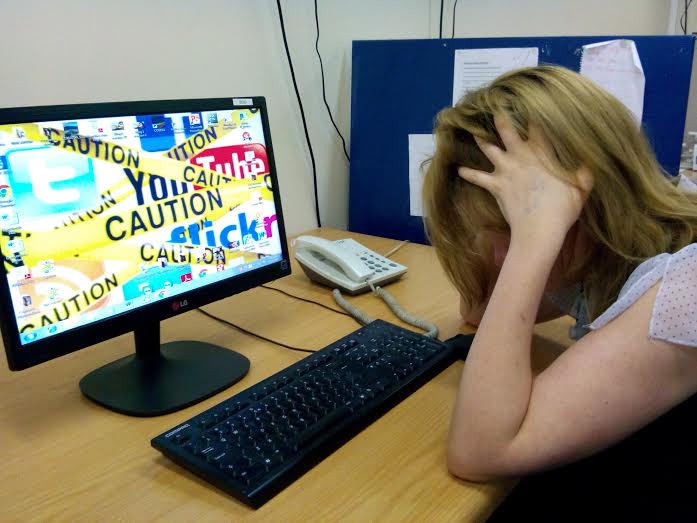
• Will the government ban me from using social platforms like Facebook, Twitter, YouTube?
Banning certain websites will undoubtedly be quicker and easier than regulating their usage. However, South Africa’s democratic nature and our constitution prevents this.
In the international sphere, a few countries have successfully implemented Internet censorship. Facebook and other websites have been blocked in China since 2009. Their ruling communist party may delete posts and block access to websites as they please. In 2011, Twitter, YouTube and Google were made inaccessible for a few days, following an attempt to overthrow the government. Iran has also blocked YouTube, declaring it “immoral.” It is also blocked in South Sudan. This followed the release of anti-Islamic footage on YouTube. A blanket ban on Internet websites is not the intention of the proposed regulations. Whether a constitutional regulation of millions of online posts will be feasible, remains a valid question.
Also read: What did I sign up for when I joined social media?