Goat masacre
BURGERSFORT – Last Sunday morning, a reporter from Steelburger/Lydenburg News stumbled upon a number of goat carcasses scattered on a piece of land just a few kilometres from Lions Rock residential suburb. Four black-backed vultures were spotted circling in the air. Since these birds are not commonly seen in the Burgersfort area, she decided to …
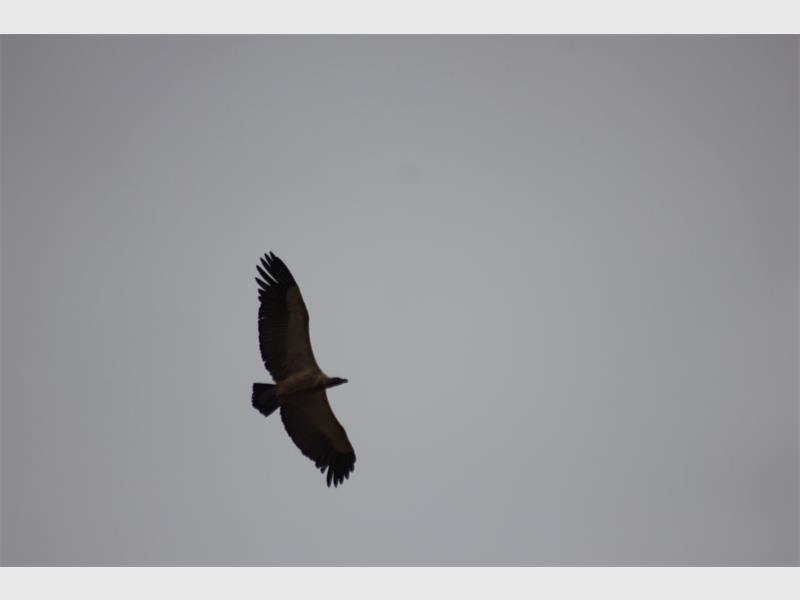
BURGERSFORT – Last Sunday morning, a reporter from Steelburger/Lydenburg News stumbled upon a number of goat carcasses scattered on a piece of land just a few kilometres from Lions Rock residential suburb.
Four black-backed vultures were spotted circling in the air. Since these birds are not commonly seen in the Burgersfort area, she decided to investigate what the reason was for their sudden appearance.
As she was driving in their direction, she arrived at a deserted house and discovered the carcasses of seven goats surrounded by vultures and hundreds of crows. At the time nobody was at home.
Steelburger/Lydenburg News informed Protect Security Services and contacted the owner of the animals. When the publication went back to the scene on Monday, the owners of the goats were there. Ms Francisca Masheou explained that the goats had been killed by two pit bull terriers. Mr Thulane Mokwena, who was apparently asleep in the house heard a commotion outside on Friday afternoon and saw the dogs chasing them in the pen where they were being kept. According to Mokwena, some of them were able to escape with bite marks. He said this was not the first time the pit bulls had attacked their goats. He claimed he knew the owner, but he denied that his dogs were responsible for the attack.
The rehabilitation manager of Moholoholo Rehabilitation Centre at Hoedspruit, Mr Brian Jones, told this publication that spotting the vultures was a strange occurrence and it being so close to a suburb was astonishing. According to Jones, for many years no vultures were recorded in Burgersfort. They were poisoned and became extinct. The centre alone gets about 30 cases of poisoned vultures a day. The black-backed vulture can be found all over Africa, and some even emigrate from Zimbabwe. They can be recognised by their cream feathers with black tips .