cat flu
BURGERSFORT – Cat flu, known as Canine parvovirus (CPV), is a seasonal disease, affecting dogs anywhere, and claiming the lives of many. Steelburger/Lydenburg News talked to Dr Florence Makgamathe, a veterinarian about the virus and what pet owners can do to control and prevent it. Dr Makgamathe said that cat flu is misconstrued to be …
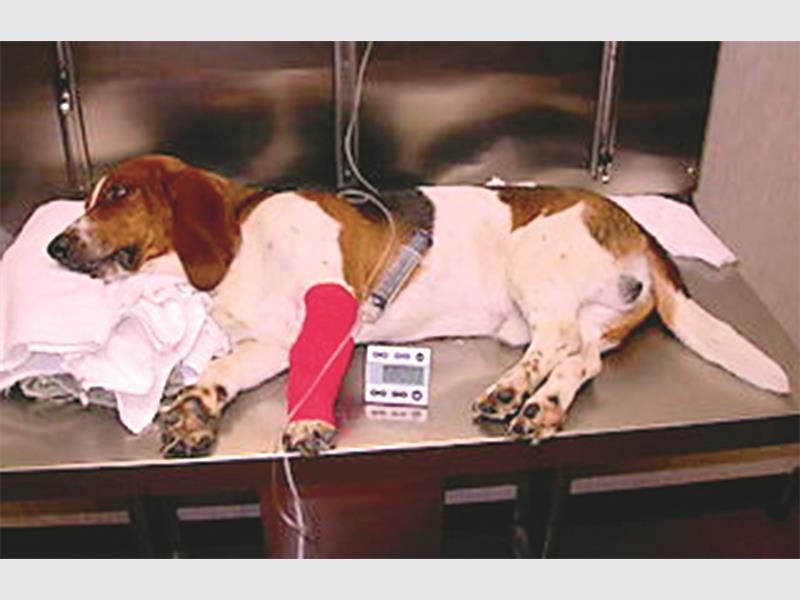
BURGERSFORT – Cat flu, known as Canine parvovirus (CPV), is a seasonal disease, affecting dogs anywhere, and claiming the lives of many.
Steelburger/Lydenburg News talked to
Dr Florence Makgamathe, a veterinarian about the virus and what pet owners can do to control and prevent it.
Dr Makgamathe said that cat flu is misconstrued to be spread by cats. The truth is it does not come from a cat and a cat cannot get the virus. The virus is spread from one dog to another.
Your pet can even catch it at the vet if
the premises has not been sterilised
properly.
This virus is most commonly
found in puppies from the ages of six weeks to 18 months, but this doesn’t mean that older dogs are immune to it. Any unvaccinated dog can fall victim to it.
Dog owners must be aware of the warning signs of cat flu.
These include a lethargic or depressed dog or a dog that does not want to eat. It will vomit and have smelly diarrhoea which might contain blood.
The dog’s gums will be pale and it
will vomit yellow foam.
It will also be very dehydrated with a fever of around 38,5 degrees Celsius.
Makgamathe said there are ways to protect your dog from the virus.
“People must vaccinate their puppies at six weeks old and again at nine and
12 weeks, then annually.
They must also keep proof of their pet’s vaccinations.”
Her best advice, if you suspect your dog might have cat flu, is to rush it to the veterinarian as soon as possible.
If there is not one available she advises not to force-feed the dog but to try to rehydrate it orally.
Antibiotics, normally prescribed
for human babies, and painkillers can also be given to control the dog’s fever.
When at the vet, the latter will examine your dog and get a full history
of vaccinations and deworming. A blood
test will be done do determine if it is
indeed cat flu.
The dog will then be given fluids with sugar, salt and antibiotics via a drip.
Appetite stimulants will be given to stop the vomiting and the dog will be dewormed. It will take an animal approximately three days to recover.
The best procedure is to vaccinate your dog at a minimal fee rather than having to treat it at a later stage, incurring much
bigger expenses.