Drones a blessing and a curse
With a rapid increase in the use of drones for private as well as business use over the past couple of years these handy gadgets have allowed for an unprecedented rise in the amount of unmanned aircraft taking to the skies.
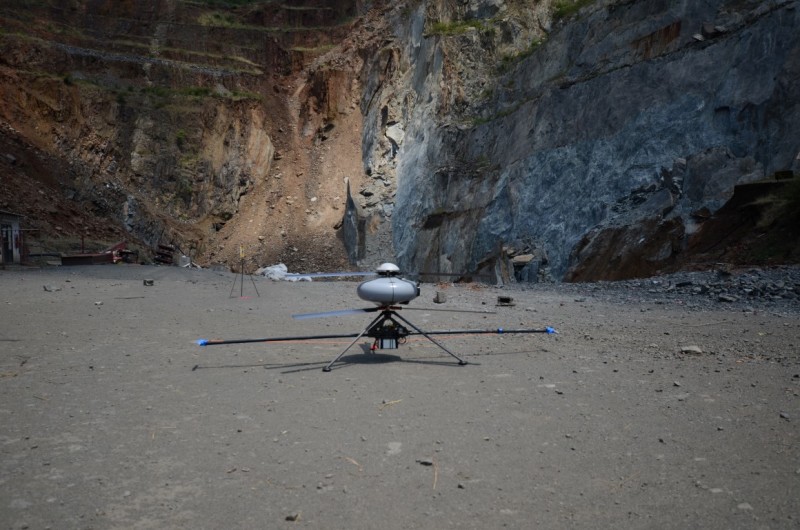
MBOMBELA – Both highly useful and potentially dangerous, unmanned aerial vehicles (UAV) or remotely piloted aircraft (RPA), commonly known as drones pose a great risk to the firefighting pilots and aircraft of Kishugu Aviation and Working on Fire.
Relatively new on the market, drones which can be purchased by any member of the public can pose a great risk to the daily operations of emergency service workers in the air or on the ground.
In the case of Kishugu Aviation and Working on Fire, firefighting operations cannot function if there are any drones being operated in the area.
Also read: Come fly with Kishugu Aviation Training Organisation
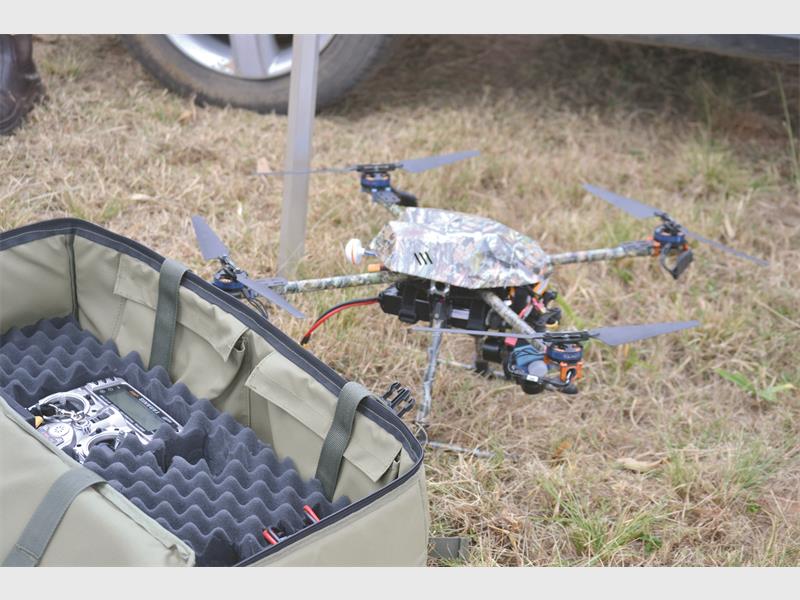
With prices as low as R1 000 for a basic drone capable of flying up to 150 metres high, many members of the public do not realise the potentially disastrous consequences that might come from operating a drone in a restricted airspace or without the proper licence.
According to Kishugu’s Head of Aviation Safety and Security Trevor Wilson what many drone owners do not realise is that Civil Aviation Authority (CAA) regulations state that any RPA must be registered and may only be operated in terms of Part 101 of the South African Civil Aviation Regulations.
This means that any person who flies a drone is subject to the same qualification requirements as a private pilot licence (PPL).
Also read: Kishugu’s pilot programme provides clients with vital information
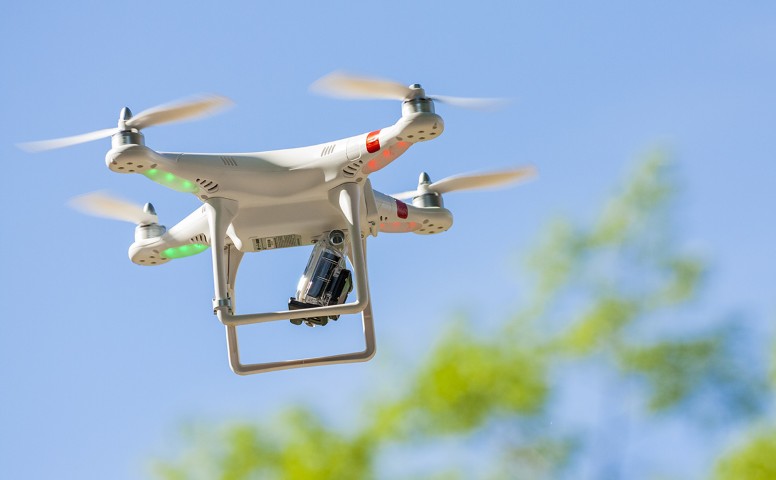
In an earlier report by Lowvelder on the use and regulation of drones in South Africa, director of Cliffe Dekker Hofmeyr a leading law firm in the country, Craig Hindley those who contravene the law can be fined or imprisoned in terms of the Civil Aviation Act.
This means that where a drone operator’s unlawful or negligent operating of one has caused damage or infringed on the rights of another, damages may be awarded against the wrongdoer.
This places the onus of responsibility in the hands of the operator and requires stringent adherence to the laws which govern the use of drones in South Africa so as to ensure the safety of professional pilots as well as communities on the ground.
Also read: Manage your drivers with Kishugu Fleet Solutions
“When a plane, flying at 120 knots, hits a drone, it is equivalent to a brick being thrown through your windshield. The damage it will cause to a pilot’s face and the aircraft will almost certainly lead to a crash,” says Erick Nel, Kishugu Aviation spotter pilot of one of the many challenges he faces while serving the community as an aerial firefighter.
However, if properly operated by pilots, drones could be incorporated as effective tools in firefighting operations. “With on-board cameras, drones could be used to pinpoint exactly where fire hot spots are in large plantation areas.
This could save time and resources as the correct firefighting operations could be mobilised to the exact area and suppress fires quicker,” says Wilson.
With ever-changing advances in aviation technology there remains a need to persistently adapt to the various uses that these new technologies may be put.
Watch: Video: Kishugu Lowveld Air Show Flash Mob
Technologies like drones can therefore not be labelled as a mere danger to pilots, but should be approached in a way which allows for the strategic integration of drones in the daily operations of aerial firefighters.
“By working out how we can utilise these drones to our advantage in aerial firefighting we might end up saving more lives and property than expected. Drones are part of the future, but we need to live together safely in the skies, for the greater good,” said Wilson.