Unlike recreational tourism, where the main attraction is rest, cultural tourism basically pursues one objective — which is understanding the history, art and people of a place through tasting their food, discovering customs and perspectives.
South Africa’s Mpumalanga province boasts of rich cultural attractions which have been preserved for many decades. These attractions don’t only decorate the country’s beautiful landscape, but also act as a source of knowledge.
The attractions do not exist in isolation but are well complemented by self-catering accommodation in Hazyview, Sabie, Graskop, Malelane, and other surrounding areas.
What does Mpumalanga province offer local and international tourists?
Matsamo Cultural Park
This cultural park has a well-stocked, sprawling curio shop and an African themed restaurant with capacity to host 300 people around a small dam. Matsamo Cultural Village offers age-old folk songs, rhythmic dance performances, including the famous Rain Dance, music with authentic African instruments, as well as traditional Swazi cuisine. Visitors can also wander on a tour through the village with its many huts and spaces, interacting with the villagers as they go about their daily activities such as cultivating their crops, preparing traditional food and fashioning beautiful craft.
Krugerhof Museum
Krugerhof was the last residence of President S. J. P. Kruger who was the president of the South African republic from 1883 to 1900. He realised his ideal to have access to the sea without passing through British territory with the opening of the Delagoa Bay Railway Line in 1895.
Barberton Museum
Situated 350km east of Gauteng, the town of Barberton is rich in ancient and modern history. Some of the oldest rocks preserved on earth are found here in the Barberton mountains. The area was first inhabited by the Stone Age people and later the Swazi, with their rich culture, under the leadership of King Sobhuza.
Shangana Cultural Village
Shangana Cultural Village is a bustling African market village. Shangana has been created and built by local Shangaan people. It is a place of great pride and a way of preserving a rich heritage of South Africa’s great cultural diversity. At this village, you will experience different facets of the Shangaan way of life, including their history and customs, initiation ceremonies, the practice of polygamy, the outfits and weapons of Masocho (warriors), the construction of homes, ornate beadwork clothing and the preparation of traditional food.
The Botshabelo Mission Station and Historical Village
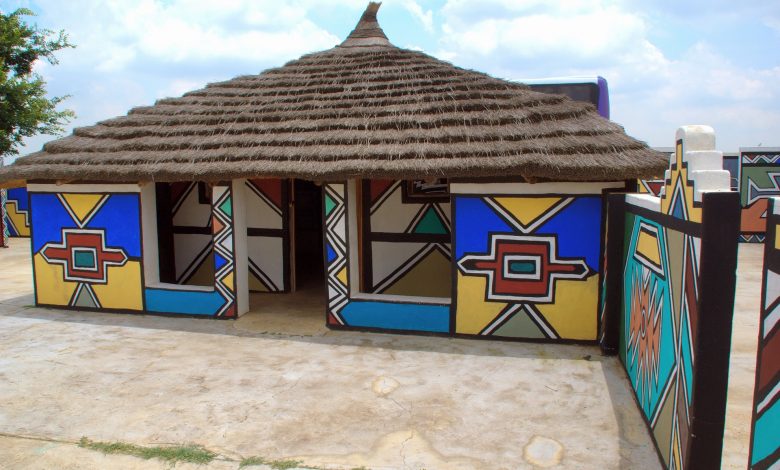
This iconic site boasts true historical value, a beautiful little church and many old buildings. The Botshabelo Mission Station is incorporated within a small game reserve and includes an ‘open-air museum’ Ndebele Village with arts and crafts stores. The Ndebele are famous for their colourful and distinctive homesteads, ‘geometric’ art, dolls, clothing, beadwork, neck rings and jewellery.
Samora Machel Monument
On 19 October 1986, the aeroplane in which President Samora Machel of Mozambique and his staff were in crashed at Mbuzini in the Lebombo Mountains, not far from Nelspruit. They were returning to Mozambique from a meeting in Zambia. President Samora Machel and 34 others perished in the crash. In commemoration of the tragic event, the circumstances of which are not yet resolved, a monument was designed by Mozambican architect, Jose Forjaz. It was unveiled by President Nelson Mandela on 19 January 1999. As a tribute by the South African government to an outstanding African leader, the memorial site was upgraded and a museum was officially opened on 19 October 2009.
Whenever you think of cultural tourism, Mpumalanga should be highly considered.