Attention cat lovers! Wildlife conservationists need your help
Visitors can contribute to wildlife research by submitting photos of spotted big cats during their park visits.
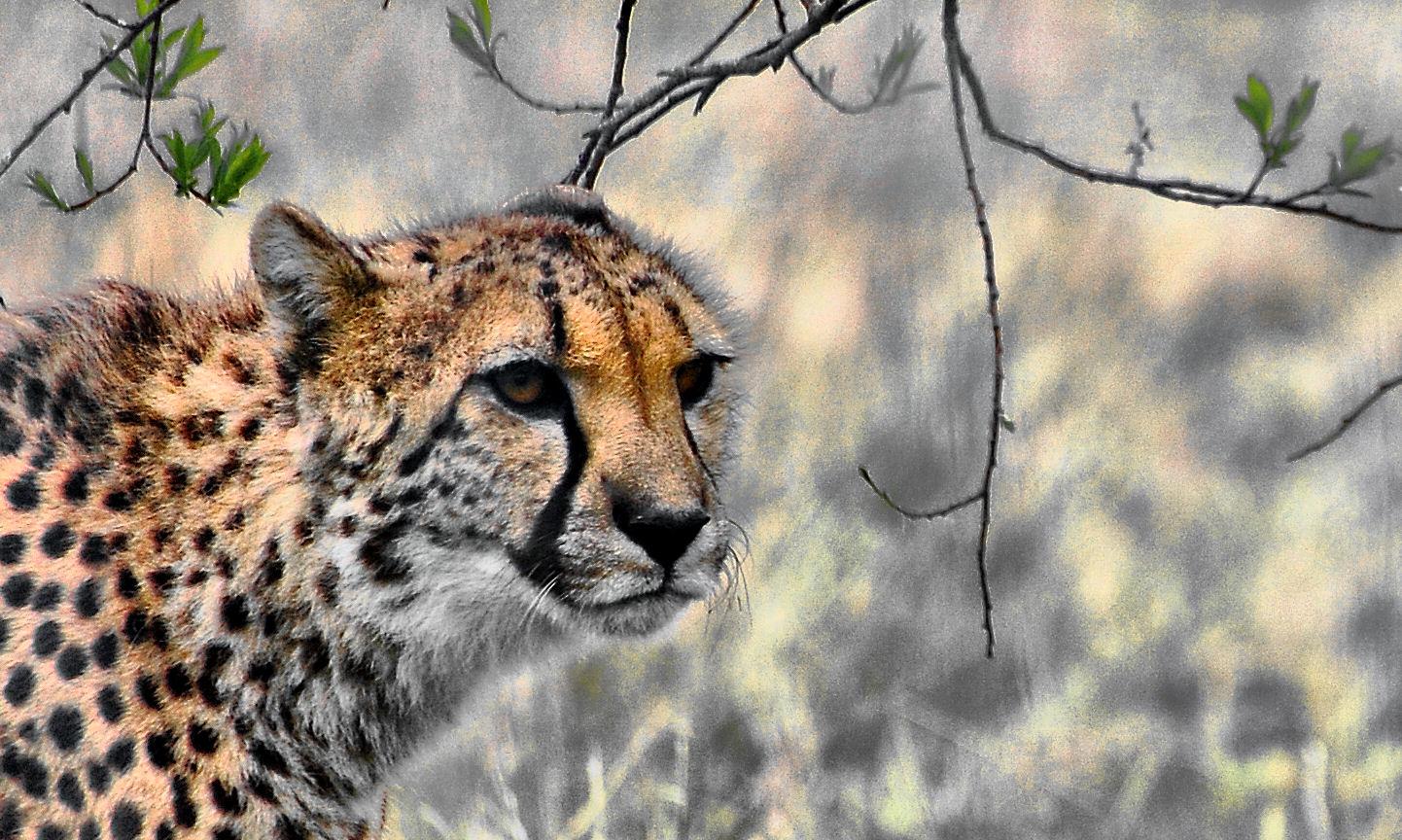
Wildlife lovers visiting the Greater Kruger landscape can help SANParks and the Endangered Wildlife Trust (EWT) track local cheetahs during a new photographic census.
“A simple photograph can help us identify an individual, track its movements, and, when combined with thousands of other records, build a picture of an entire population,” said EWT cheetah conservation project manager, Olivia Sievert.
In a recent article by Sievert, the organisation explains how a census has helped to keep track of the animals over the past years.
Tracking history in Kruger
“Photographic censuses of large carnivores have a long history in the Kruger National Park (KNP). Citizen-science photographic surveys for African wild dogs began in 1988/89, with cheetahs being included in 1990.”
The last census in 2021/22 received 196 cheetah submissions, of which 151 were suitable for individual identification. “From these photographs researchers were able to identify 86 individuals, while statistical modelling estimated approximately 116 cheetahs across the national park,” she explained.
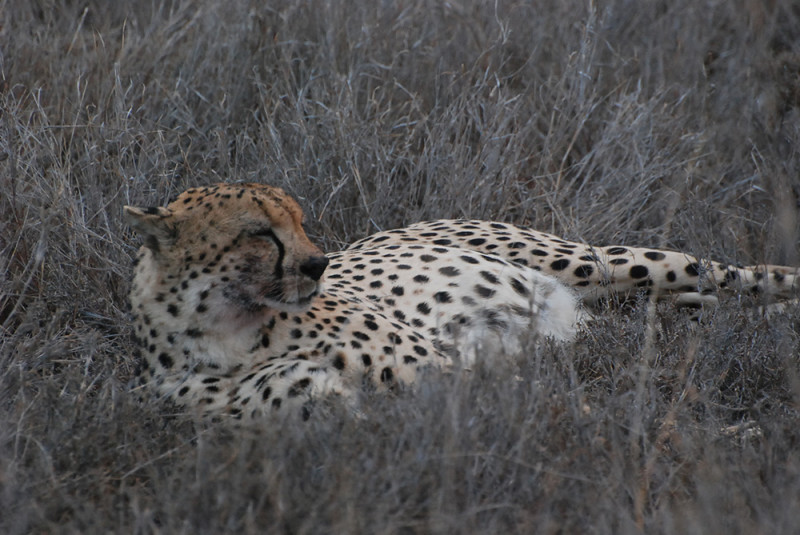
The Greater Kruger landscape forms part of the wider Greater Limpopo Transfrontier Conservation Area (GLTFCA), which includes the KNP, Associated Private Nature Reserves, and adjoining conservation areas in Mozambique and Zimbabwe.
“Large, connected landscapes are essential for maintaining viable wildlife populations as they allow animals to move between suitable habitats and host large enough populations to maintain genetic diversity without intervention,” said Sievert.
Vital habitat for wild population
According to her, the GLTFCA represents roughly 3% of the cheetah’s remaining global range and contains some of the largest protected areas available to the species in southern Africa.
“Within South Africa, the Greater Kruger landscape is particularly significant, encompassing approximately 47% of the country’s protected cheetah habitat,” she said. “Yet the most recent population estimate suggests that it supports only around 17% of South Africa’s remaining wild cheetah population.”
How to submit sightings
If you are visiting the Greater Kruger landscape between September 1 and August 31, 2027, you can take part in the census.
If you see a cheetah, take photographs from a safe and respectful distance. Where possible, photographs of both the left and right sides of the animal are especially valuable because they help us distinguish individuals accurately.
Images can be submitted online.
When submitting your sighting, please include:
• Photographs of the cheetah(s)
• Date of the sighting
• Approximate location, GPS co-ordinates, road number, or nearest landmark
• Number of cheetahs observed
• Any additional observations.
“Every photograph adds another piece to the puzzle. A single image may help identify an individual, repeated sightings can reveal movements and survival, and thousands of photographs collected over time can help us understand the population as a whole,” Sievert concluded.