
Top tips from vets
South African veterinarians voice their opinion on the most important factors to keep your pet happy and healthy.
Vets from around the country were asked to share their animal health tips. Most stressed the importance of vaccinations, regular health checks and good diets.
This is what they had to say:
Dr Dario Cremona, Polokwane
“Never underestimate the value of a good diet for a pet, as well as annual health and dental check-ups. If you eat well, so should your pet and if you go for a check-up every year, so should your pet!
“On an emotional level, one must not only have empathy and compassion for and towards animals, but teach empathy and compassion for and towards animals too. To have a pet is not a right, it is a privilege – it is a permanent commitment and not a temporary companion.”
Dr Bennett Stander, Mossel Bay
“It is the five-star animal husbandry plan: Health, vaccinations, food and water, training, and love. If you adhere to these five principles, you will have a well-looked after and happy animal.”
Dr Thulani Mthimunye, Springs
“Pet owners need to vaccinate their pets as soon as they can. The first vaccine is for rabies and cat flu. Cat flu is highly contagious and can be deadly in cats and kittens, especially during winter. Rabies is just as deadly and can be passed on to humans, so the sooner they get vaccinated against this, the safer it will be for everyone.
“They should also take note and listen to their vets when it comes to booster shots.”
Dr Travis Kersten, Nelspruit
“I regard pet insurance as the single most important thing for owners to focus on. When a pet is on a medical aid plan, it allows us as veterinarians to focus on diagnostics, treatments (medical or surgical) and critical care without the heavy burden of finances influencing healthcare decisions.
“Most insurance plans will have additional add-on options to help cover routine, preventative care, such as yearly check-ups, vaccinations, tick and flea products and even prescription diets.
“Contact your vet for a list of recommended pet insurance plans.”
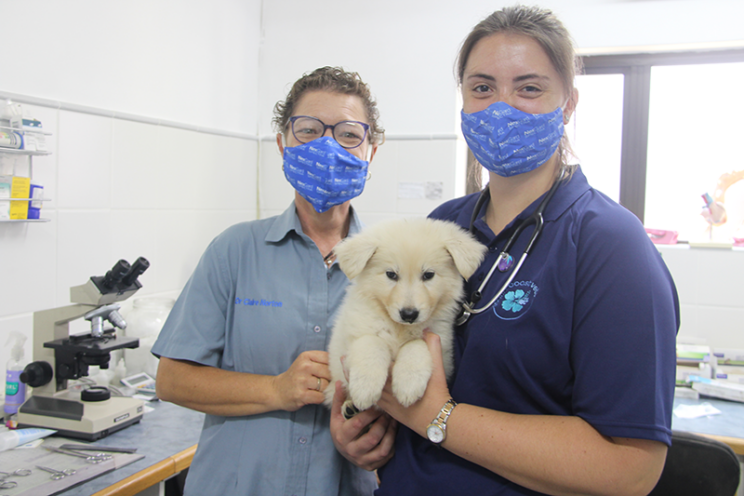
Drs Claire Norton and Annen Labuschagne, Port Shepstone
“Feed your pets the right, good-quality food. What you feed puppies and growing dogs when they are small, determines their health in the future. Control internal and external parasites, such as ticks, fleas and worms. Vaccinate against diseases.
“If you stick to these basic guidelines, you should be able to keep your pet healthy. What we do for ourselves, we should do for our animals,” says Norton.
“Pet owners should not give bones as treats, as they can be harmful to dogs,” says Labuschagne.
Dr Pieter de Wet, Knysna
“For me, the one thing is preventative care. Do what is needed to safeguard your pet’s health. For instance, prevent biliary by using tick and flea treatments, prevent other diseases by vaccinating your pet and feeding them a good diet.
“It is often cheaper to prevent diseases rather than to treat them.”
Dr Tina Kaldenberg, Riversdale, southern Cape
“My wish is that owners realise the value of vaccinations at six, nine and 12 weeks of age to prevent dreadful diseases like parvo, distemper and feline leukaemia virus.”
Dr Candice de Jongh, Bryanston
“For the most part, biology can be very unpredictable. Pets are living creatures and because of this, they will likely suffer from some form of illness or accident during their lifespan. This is, unfortunately, out of all pet owners’ control.
“However, I wish that all pet owners would take to heart the absolute importance of preventative healthcare for their pets. This includes things like annual wellness examinations, vaccinations, deworming, and tick and flea prevention, as well as ensuring that they offer their pets good quality, well-balanced nutrition. Having a consistent approach to preventative healthcare for pets contributes immensely to overall good health.”
Dr Shira Amar, Sandton
“We feel strongly that prevention is better than cure. Vaccination, parasite control and early sterilisation go a long way in ensuring a healthy life for our beloved pets.”
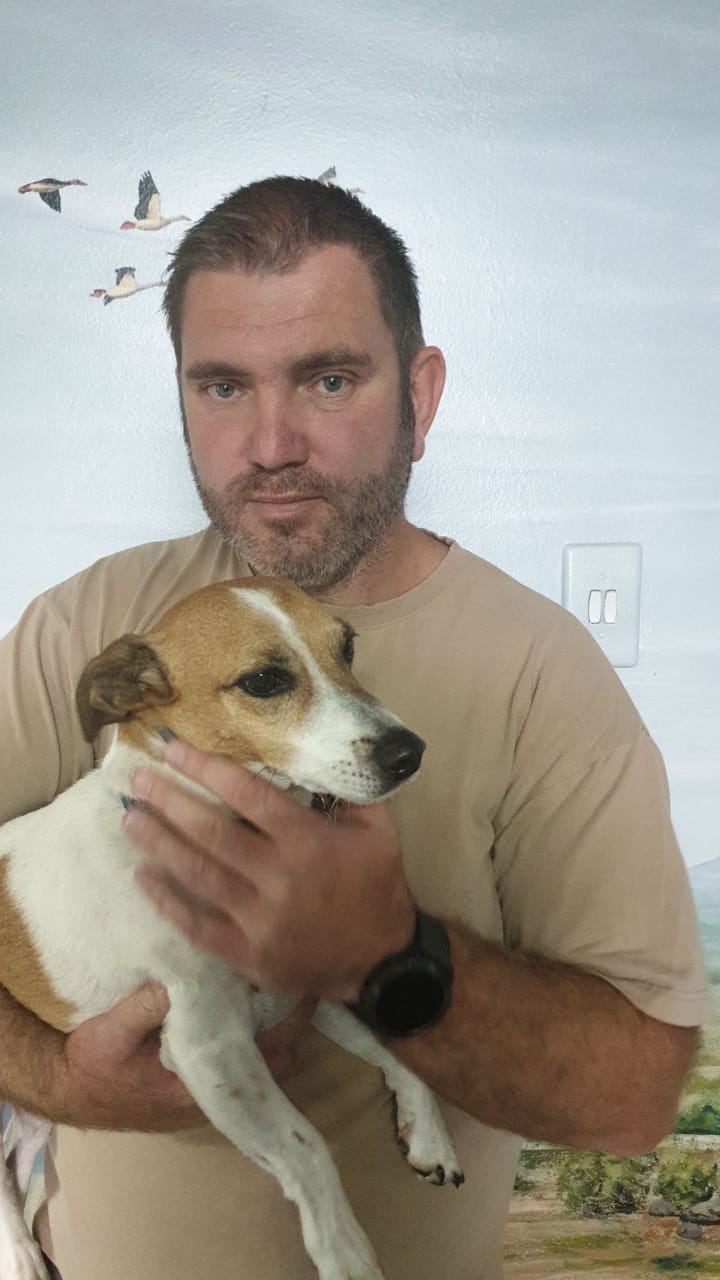
Dr Nolan Landman, Witbank
“Vaccinate your puppy or kitten against parvovirus, distemper and rabies as these are all killer diseases. Unvaccinated pets can transfer rabies and distemper to wildlife animals. Once this happens, it can spread like wildfire and it can happen in areas where domestic animals live near wildlife reserves.
“In Tanzania, in 2000, an infectious disease spread through the African wild dog population, killing 49 of 52 animals within two months. It was identified as the canine distemper virus.
“Puppies can be vaccinated between six to eight weeks, followed by another two vaccinations three weeks apart. At 12 weeks, they will also get their rabies injection.
“Kittens get their first vaccination at eight weeks, followed by the second vaccination two weeks later.”
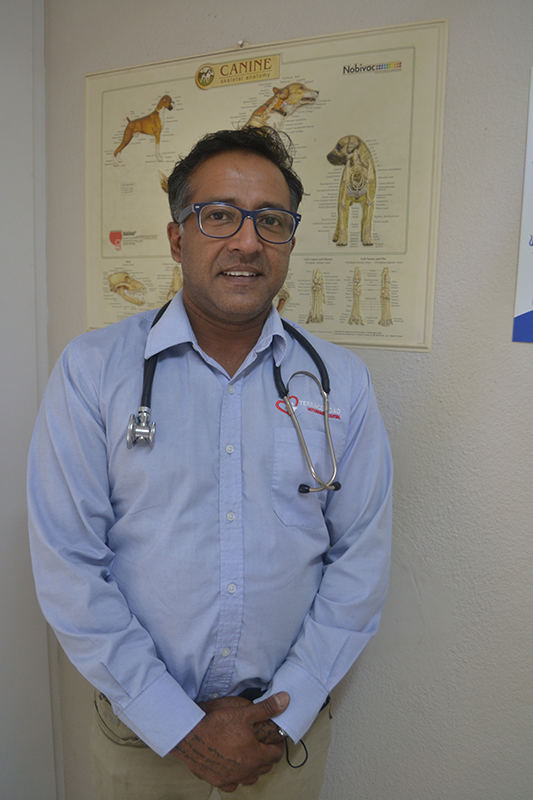
Dr Shabeer Bhoola, Edenvale
“By sterilising, vaccinating, inoculating and microchipping their pets, owners can be saved a great deal of heartache. Depending on where you go, microchipping and vaccinations are not that expensive and should be common practice by now.
“When a stray animal is brought to a vet or the SPCA, one of the first things veterinary staff do is scan the animal for a microchip. This enables the swift return of the animal to the rightful owner.
“Poor dental hygiene and infected teeth are one of the leading causes of heart and kidney diseases among older cats and dogs. Giving your pets’ teeth more attention will make a difference.”
Dr Paula Draper, Knysna
“Puppy vaccinations are very important to stop the spread of diseases such as parvovirus, while sterilisation helps prevents unwanted puppies and kittens.”
World Veterinary Day falls on April 30 this year. The theme, set by the World Veterinary Association, is ‘Strengthening veterinary resilience’. This is an apt topic in South Africa, where a shortage of vets places strain on those in the profession. The upside is that veterinary science is a great career choice for youngsters, who will have an excellent chance of securing employment.
Read original story on mobserver.co.za