


Up front, the RS5 retains the 2.9 TFSI V6 engine, but with hybrid electrical assistance, the power is now up to 470kW and the torque to 825Nm.
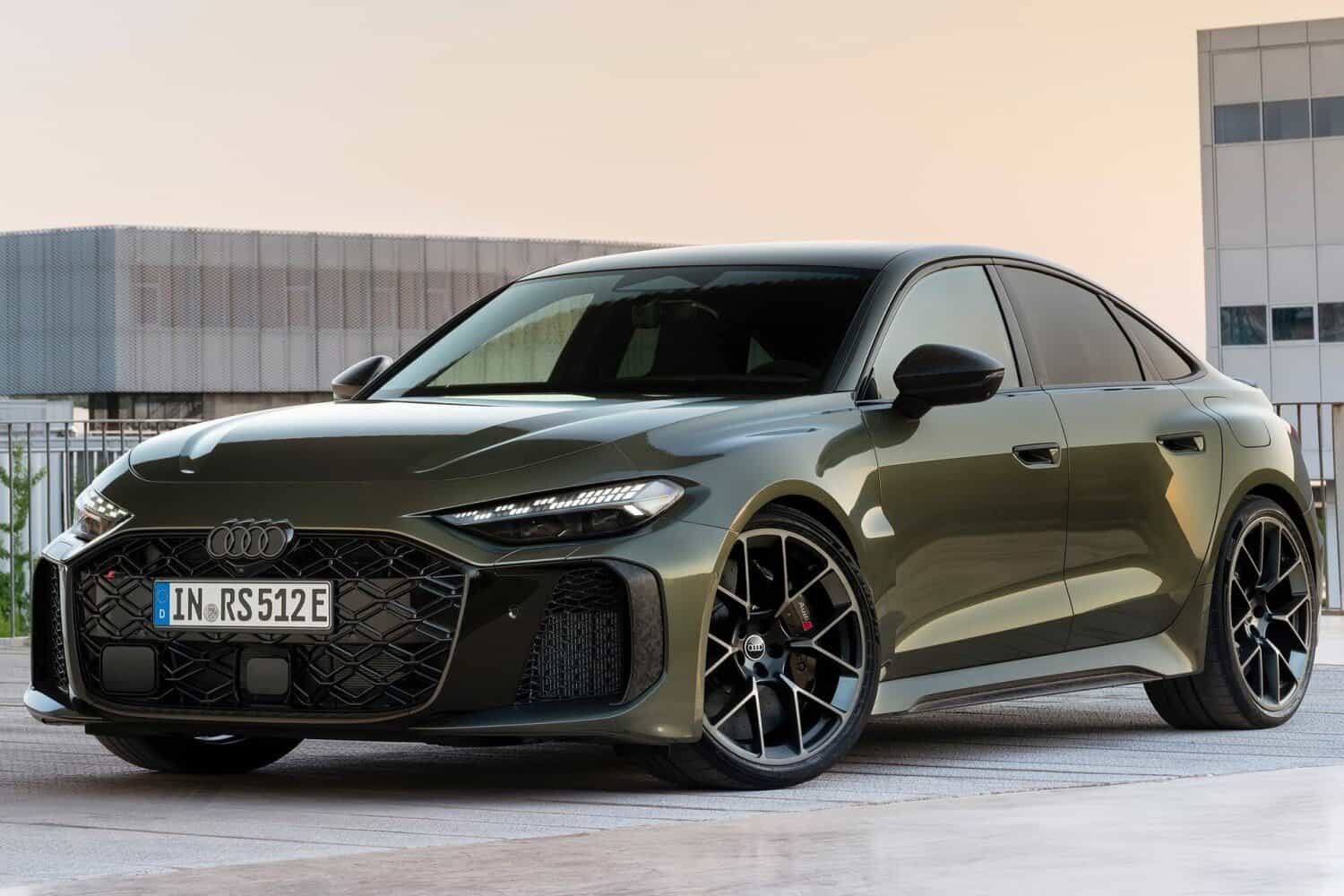
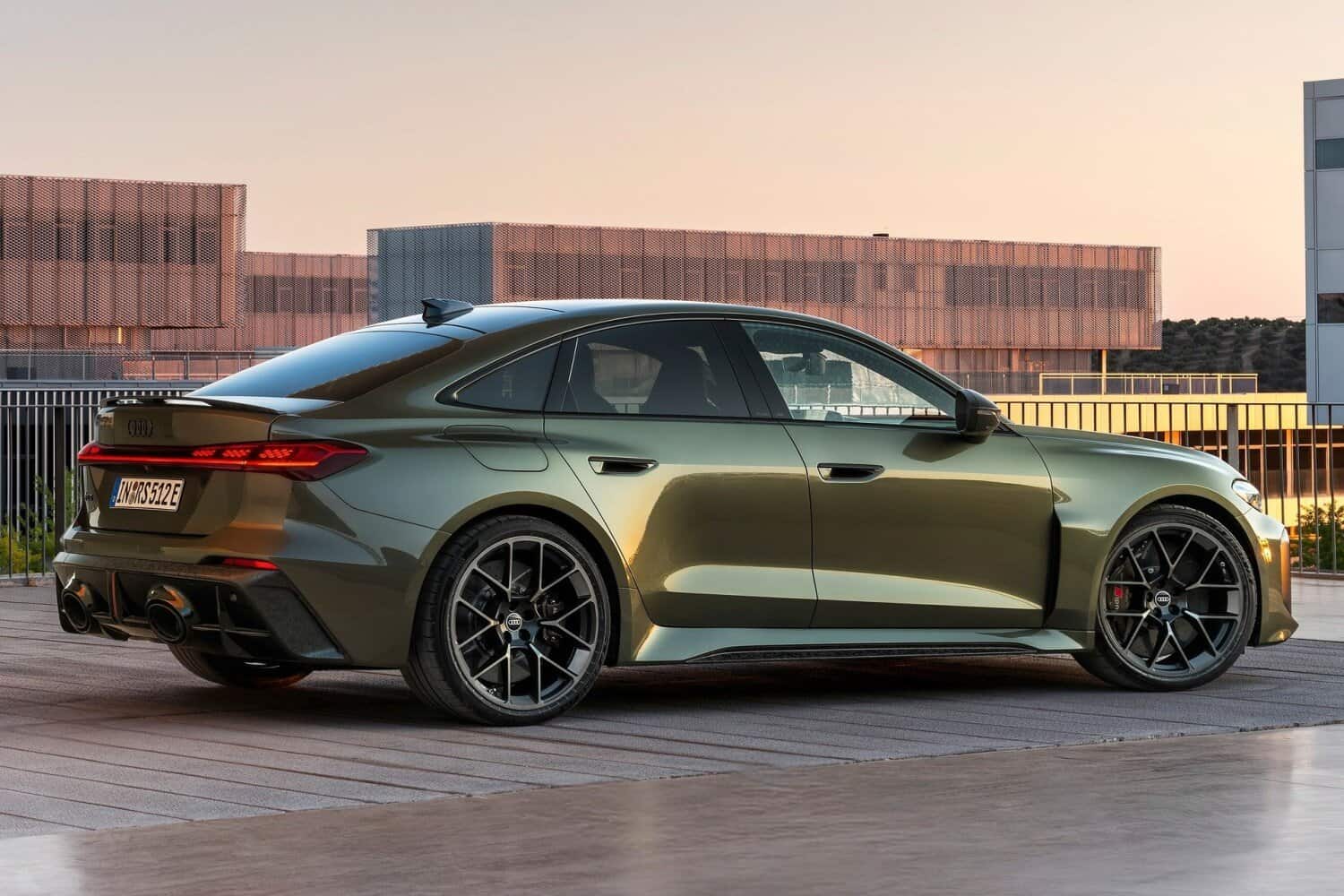
For the first time, the Audi RS5 will be available as a sedan. Picture: Supplied


The modified RS5 internal combustion engine delivers 375kW and 600Nm. Adding the new 25.5 kWh battery pack that powers a single electric motor on the rear axle delivers a further 130kW and 470Nm.
This is said to be enough to see the Audi RS5 get from 0-100km/h in a mere 3.6 seconds and hit a top speed of250 km/h or 285km/h with the optional RS Driver’s Package fitted. The claimed all-electric range is 87km.
BMW M3 Sedan
BMW’s M3 Sedan produces 390kW of power and 650Nm from its 3.0 litre, straight-six powerplant. No electrical assistance is on offer for the BMW.
But the figures are still good enough for the manufacturer to claim a 0-100km/h time of 3.9 seconds. While an electronically limited top speed of 290km/h is on the table too.

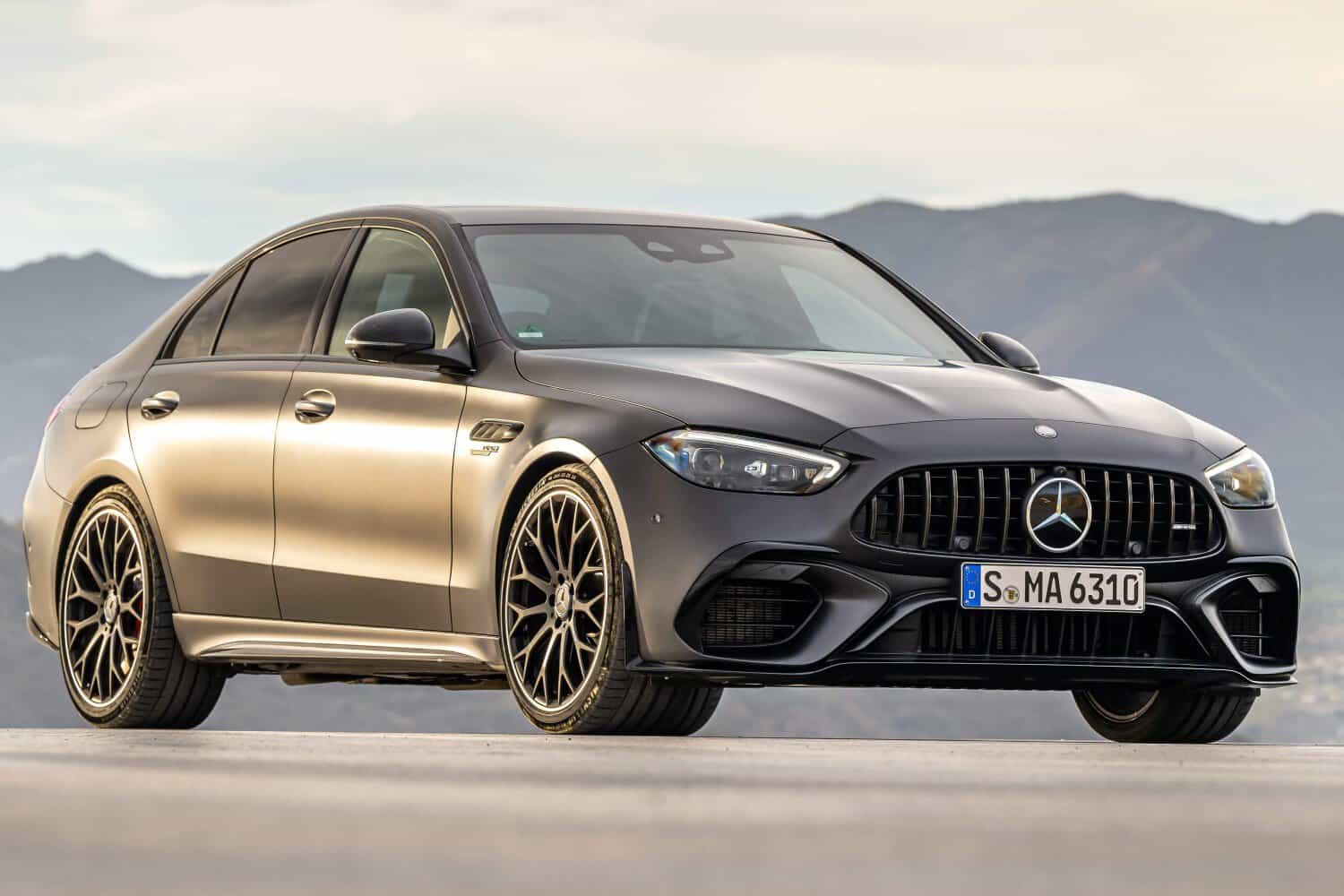
Mercedes-AMG’s C63 S E Performance
Mercedes-AMG’s C63 S E Performance offers the most power and torque of the trio at 500kW and 1020Nm of torque from its 2.0 litre mill with battery assistance.
As a result, the factory from Affalterbach claims the quickest time at 3.4 seconds to get to 100km/h. Top speed is in line with the others at 250km/h or 280km/h with the AMG Driver’s Package fitted.
ALSO READ: BMW starts decoding ‘electric M3’ ahead of 2027 reveal
Quattro all-wheel drive
As before, the quattro all-wheel drive system has been paired with a limited slip differential and a new torque vectoring system. As per Audi, the latter pair means a split in power and torque between the axles either 70%/30% or 15%/85%. Also retained, but revised, is the eight-speed Tiptronic gearbox.
Underneath, the RS5 rides on the same Premium Platform Combustion (PPC) architecture as the A5, but with a series of dynamic alterations made.
Stiffer suspension
Due to the plug-in hybrid hardware, which sees the Audi RS5 tick the scales at 2 355kg for the sedan and at 2 370kg for the Avant, the chassis is 10% stiffer and the RS sport twin-valve adaptive suspension retuned. Revised are the front and rear axles, the RS steering system, the rubber suspension bushings and the shock absorbers.
Not stopping there, Audi has also fitted new brakes; the standard with 420mm at the front and 400mm at the rear discs. Optional are the carbon ceramic stoppers comprising 440mm at the front and 410mm at the rear discs.
Hybrid and boost modes
As part of the Audi Drive Select system, the RS5 gains two new drive modes; Hybrid, which becomes the default setting, and the all-electric EV. A further new addition is a boost mode activated by the RS button on the steering wheel.
Similar to that of the BMW and Mercedes-AMG, this results in the full 470kW and 825Nm being available for 10 seconds for what Audi bills as “perfect for quick overtakes”. Brake regeneration, which can charge the battery by 80% on the move, is yet another first for the car.
ALSO READ: New Mercedes-AMG C63 pips BMW M3 on the drag strip

Not yet for us
The Audi RS5 is about to go on sale in Europe, but right now it has not been confirmed for South Africa. A move we expect to change in the coming months.
Support Local Journalism
Add The Citizen as a Preferred Source on Google and follow us on Google News to see more of our trusted reporting in Google News and Top Stories.

