


Van differentiates itself from its production siblings the Ford Tourneo/Transit Custom vans.
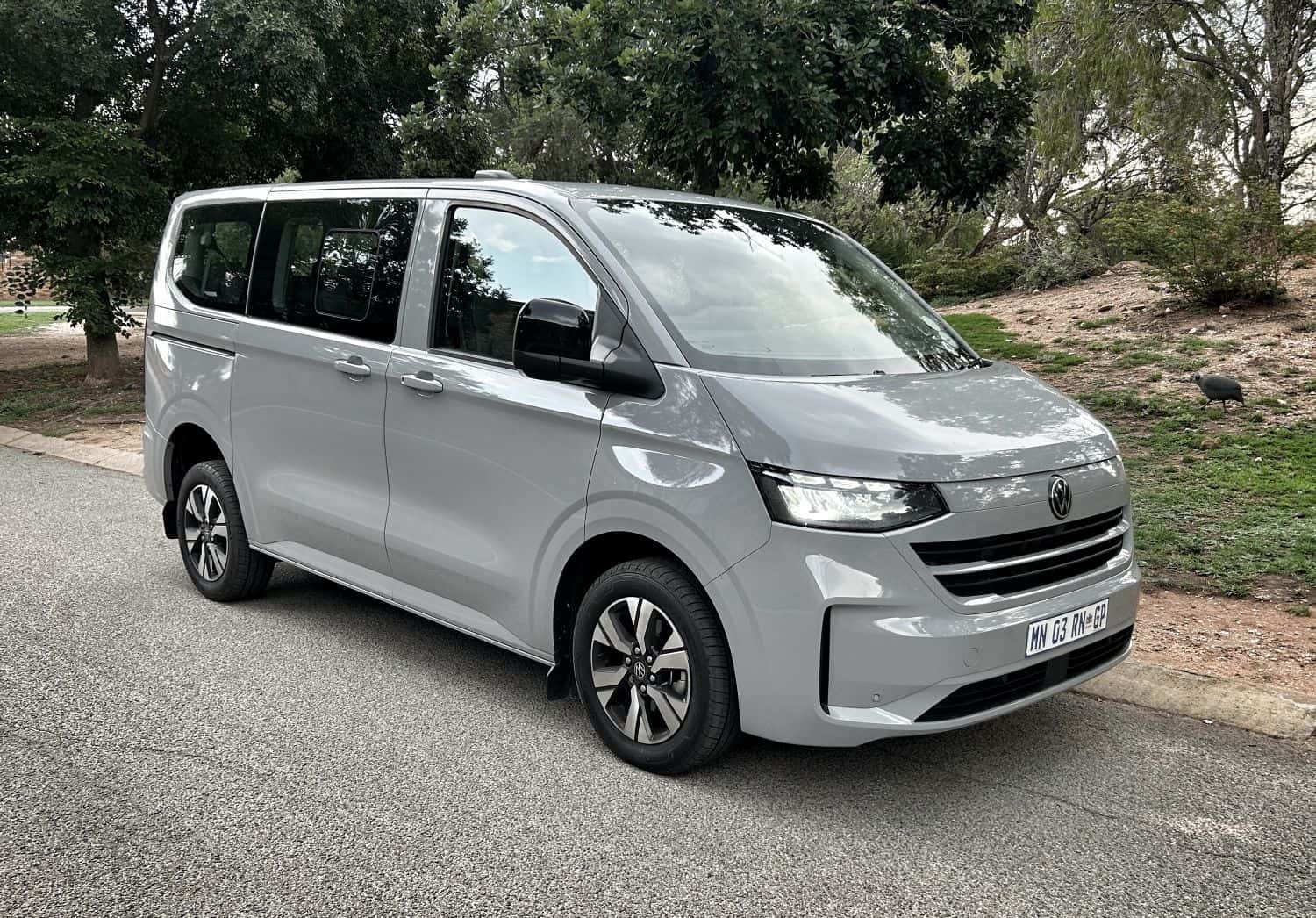
The VW Kombi in Life guise. Picture: Jaco van der Merwe


The produce of the motoring world’s numerous joint ventures has always been a contentious issue.
A less disputable example is the Toyota Starlet Cross, which is the Suzuki Fronx’s production twin. Because there had never been a Starlet Cross before it debuted last year, loyal brand followers will likely perceive it as just another new model.
The VW Transporter and Ford Tourneo/Transit is not quite as cut and dried. Volkswagen had been made making vans for over six decades, many of them at its local Kariega plant.
But even this proud history of the Kombi being a proper Volkswagen wasn’t bulletproof as a joint venture between Wolfsburg and Dearborn now means that the new Transport isn’t even a genetic VW anymore.
VW Kombi built in Türkiye
Like the VW Amarok bakkie that is built alongside the Ford Ranger in Silverton, the new VW Transporter is assembled alongside the Ford Tourneo and Transit at the Blue Oval’s Kocaeli plant in Türkiye.
Unlike the Starlet Cross buyer who can argue that production in a Suzuki plant makes no difference because the car never had any Toyota heritage anyway, a loyal Kombi buyer will argue differently. Ford does have a reputation for building vans, but not to the extent the Kombi is known for.
But joint ventures exist for financial reasons and with vans not being any manufacturer’s volume seller, the only other viable alternative to Ford Kombi could have been no Kombi at all. Simply put, it is what it is whether you like it or not.
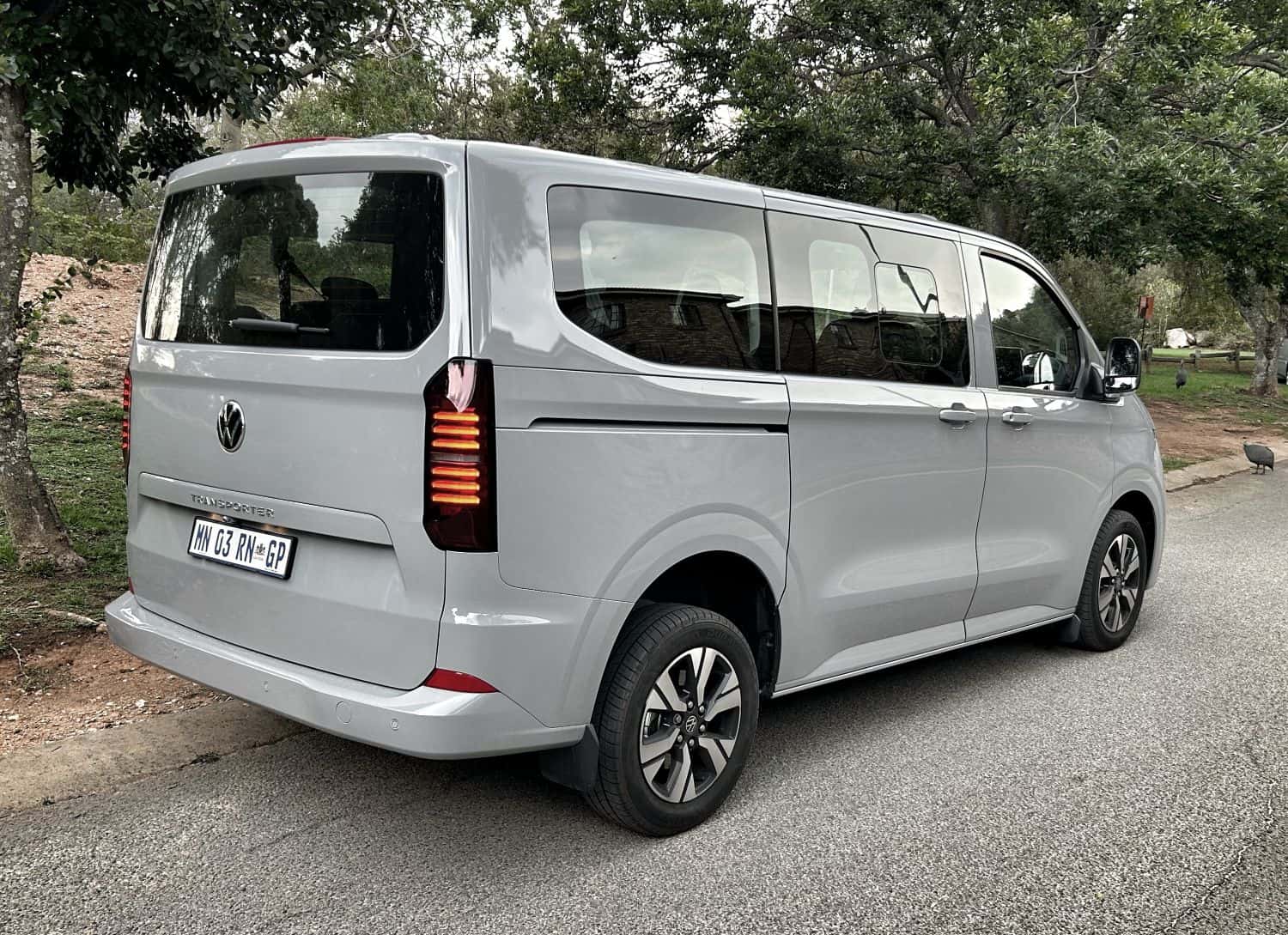
In the case of the VW Transporter 2.0TDI Kombi SWB Life we had on test recently; it actually has the edge over its Ford contemporaries in terms of price. At R1 161 515, it is cheaper than the two Ford Tourneo Custom short-wheelbase derivatives, the Sport at R1 218 000 and R1 264 000 Titanium X. The major differences being the Ford pair sport much more expressive styling cues.
The closest other alternatives at this price point are the Hyundai Staria Elite at around R100k less and the Staria Luxury at a R210k premium.
Volkswagen family face
So in Life spec, the Kombi does find itself in a nice little gap in the van space. Smart thinking by VW in trying to safeguard the van against Ford connotations. It is almost a case of If you can’t forgive VW for getting into bed with Ford, then go ahead and cut the nose to spite the face.
ALSO READ: New VW Kombi finds itself in a strange little place
Like with the Ranger and Amarok, there are plenty of styling differences between the differently badged vans. The VW Kombi features a different bumper and grille from the Ford, standard LED headlights, inverted L-shaped air inlets on the bumper and a wider lower air intake.
The van’s front end resembles Volkswagen’s current family face so well that a person looking at it not knowing what its underpinnings are will never guess that is not a “real” VW.
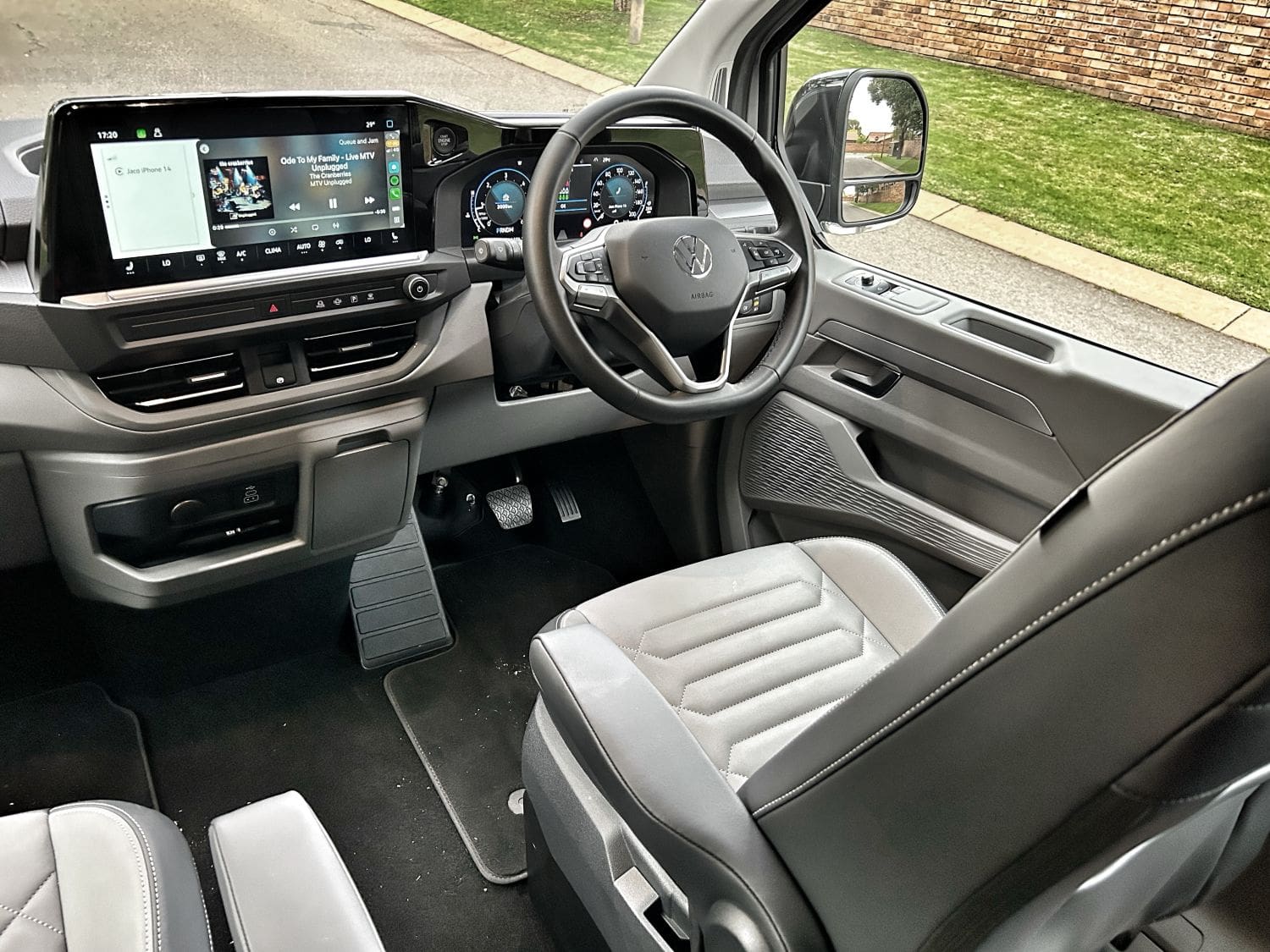
The changes are more subtle at the rear with LED taillights featuring different internal graphics to the Ford and the VW Kombi also getting chrome Transport lettering underneath the number plate.
Interior differences
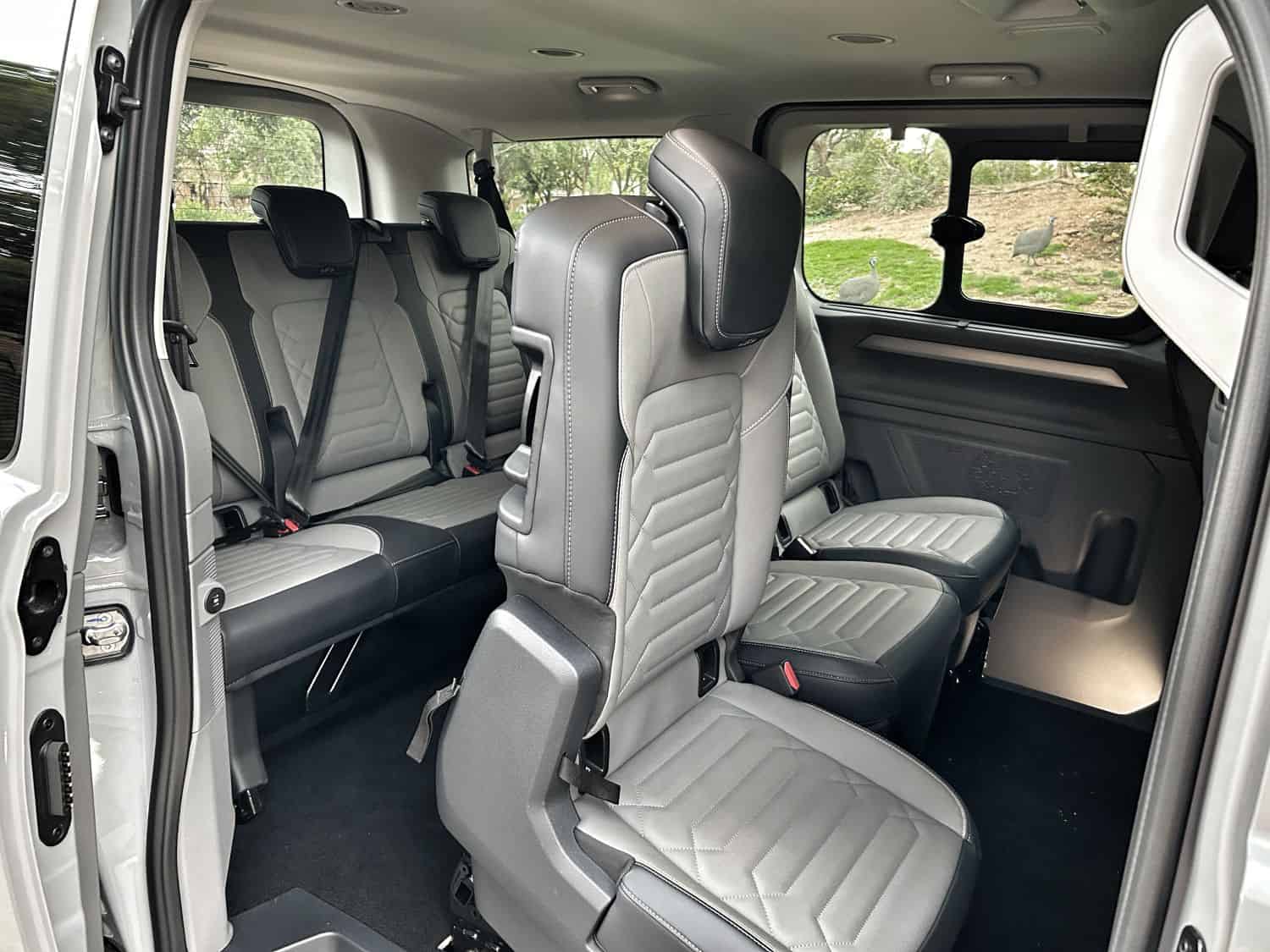
The 13-inch MIB4 infotainment system with wireless Apple CarPlay and Android Auto is carried over from the Ford alongside the eight-inch digital instrument cluster. Like with the Amarok, the Ford graphics are replaced with that of VW. This gives it the same look-and-feel as any other product from Wolfsburg.
What is also different in the VW Kombi is a round VW steering wheel instead of Ford’s quartic design. As well as the lower section of the dashboard.
The seats, finished in two-tone black and grey leather in the VW Kombi, also give the van an additional Volkswagen touch.
While we could live with the sliding side doors not being electric, the manual tailgate is a problem. Like with the Ford, getting a child to close the huge rear door manually is no easy feat.
No change in power
Sharing its underpinnings with the Ford Tourneo Custom also means that it features the same drivetrain as its production siblings. And that results in the 2.0 litre turbodiesel engine that sends 125kW of power and 390Nm to the front wheels via eight-speed automatic transmission feeling as underpowered as it did in the Ford vans.
It is a solid mill for a people mover, but it could have done with just a little more zip. It accelerates decently to the national speed limit, but overtaking needs a bit of planning. Even with Sport mode, which features alongside Slippery, Eco, Normal and Tow/Haul, engaged, it is a bit lazy to react.
With a total of 455km racked up in a week which included very little open road driving, we achieved very credible fuel economy of 9.9 litres per 100km.
VW Kombi puts up a good show
Like with the Amarok, we think the VW Kombi Life does its best to differentiate itself from its Ford sibling in terms of look and feel. While it can’t lay claim to real VW van heritage, it is a very solid offering nonetheless. Yes, it has its foibles, but no van is ever perfect and not only those born out of joint ventures.
Support Local Journalism
Add The Citizen as a Preferred Source on Google and follow us on Google News to see more of our trusted reporting in Google News and Top Stories.

