The Sport argues the case for being the most complete variant.
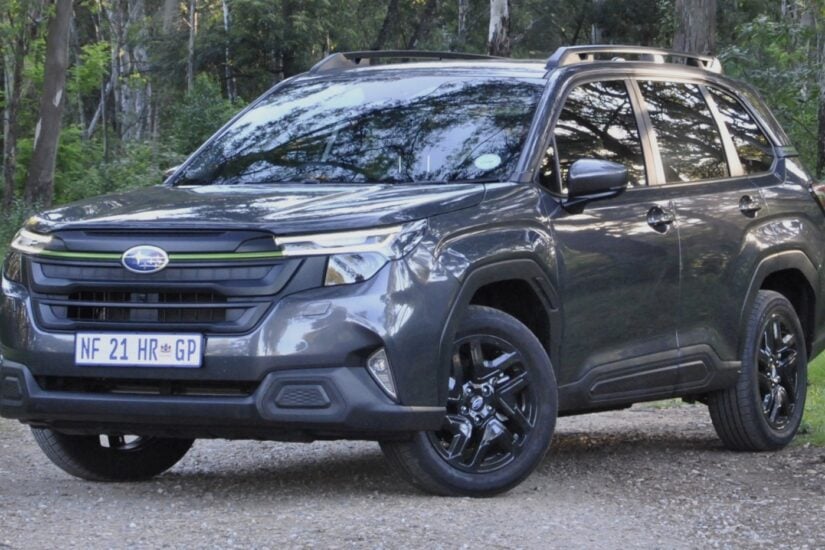
The Sport sits below the range-topping Limited in the Forester line-up. Picture: Charl Bosch


The internally named SL or sixth generation Subaru Forester had been a long time coming to South Africa as its global reveal took place three years ago in North America.
New or revised?
Publicly unveiled on local soil at the Kyalami Festival of Motoring last August, the replacement for the SK debuted as an almost brand-new model, though it retained the Global Platform architecture almost all Subarus now use.
The same applies to the powertrain where, for South Africa, Subaru has kept the combination of the normally aspirated 2.5 litre flat-four Boxer engine paired to what it describes as an extensively revised Lineartronic CVT.
Arguing the perfect model
A line-up now without the previous range-opening 2.0 litre engine, the Forester’s arrival for a week-long stay came as something of a surprise after being sampled by road test Eeditor Mark Jones back in February.
As it turned out, the model dropped off was the Sport that sits a notch below the flagship Premium that Jones drove.
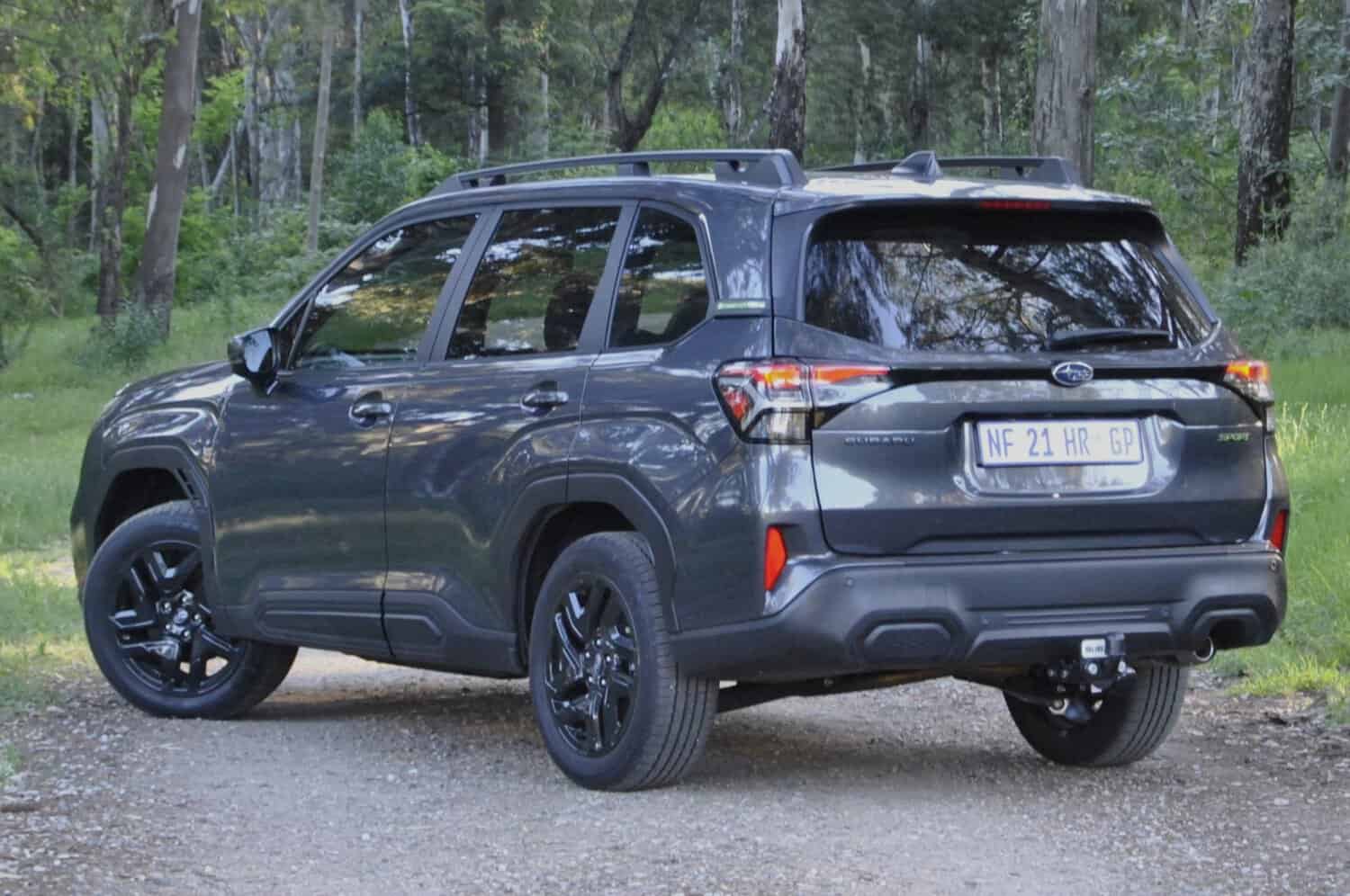
Decked out in a colour called Magnetite Grey Metallic, one of nine available, the Sport loses out on some the Premium’s luxury, but has been devised as more of an off-road focused variant priced at a credit of R40 000.
Angular in appearance, if sightly more conservative than its predecessor, the Sport not only proved its worth throughout the week-long stay, but argued an equally strong case for being all the Forester that will ever be needed.
Styling
While likely to be described by some as a careful evolution of the SK judging by its side profile being nearly identical, the SL’s “redesign” can be seen as cleaner and more understated as Subarus have become known for in post-WRX STI South Africa.
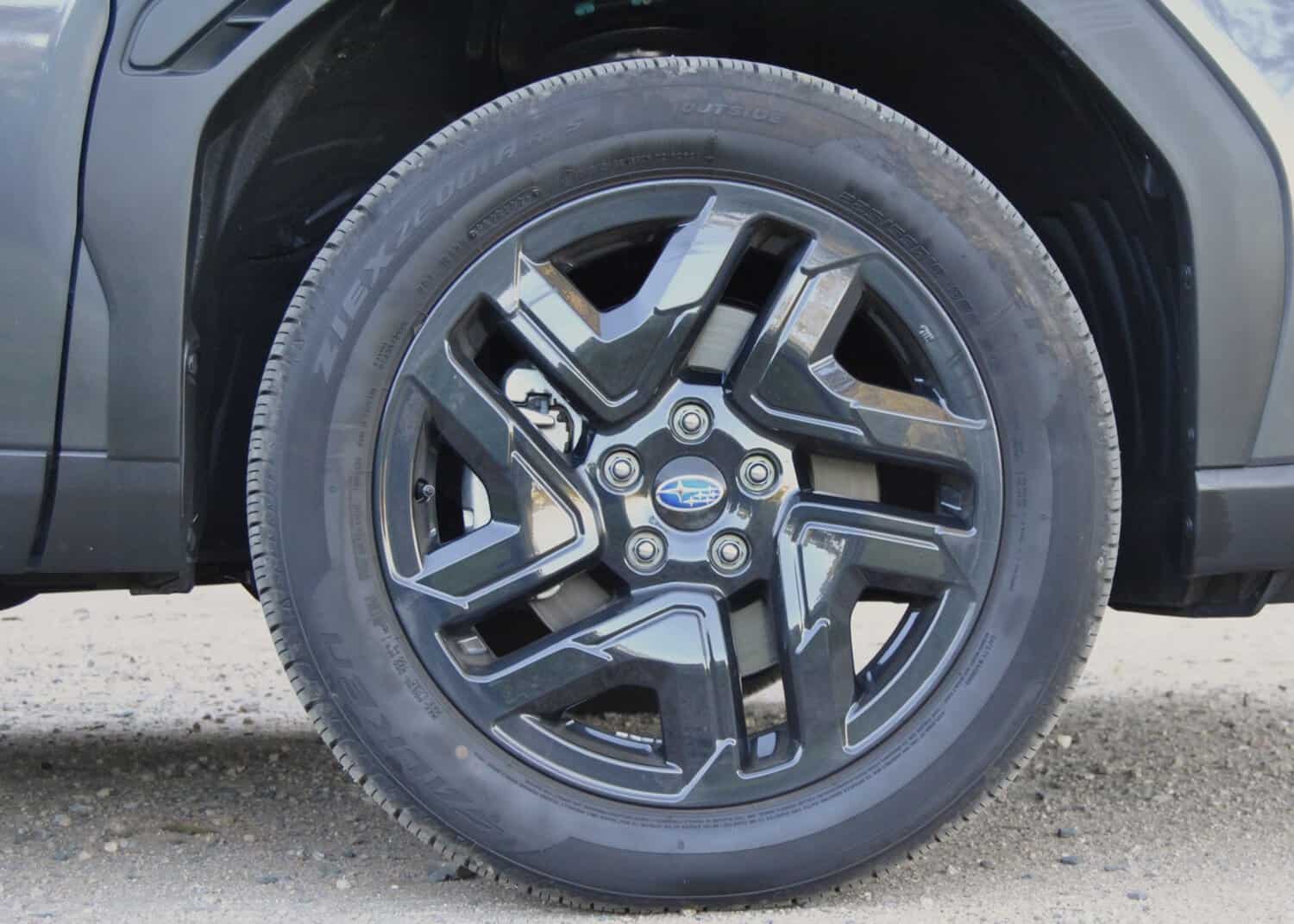
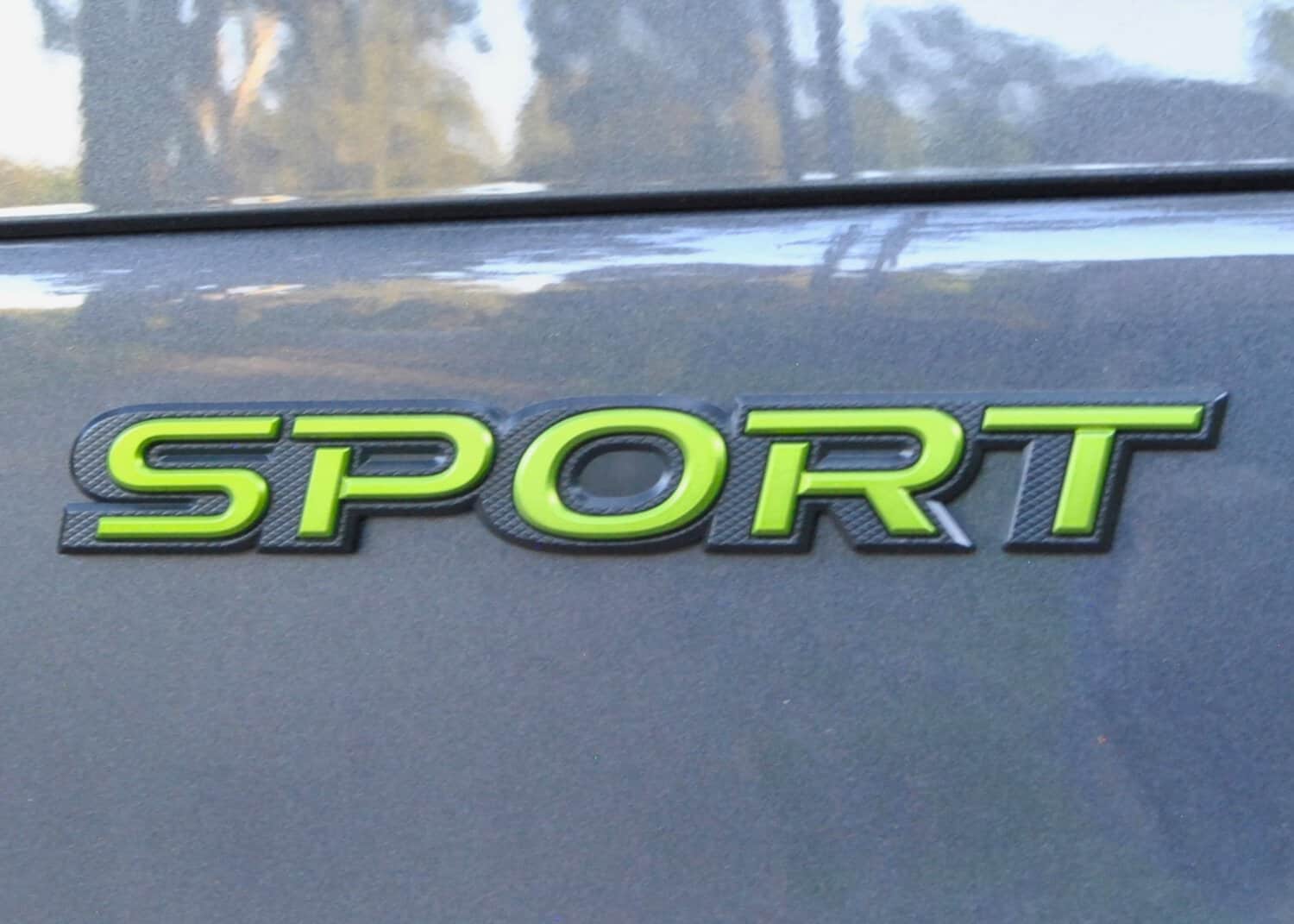
Besides the loss of some of the Premium’s brightwork, the Sport rides on darkened 18-inch alloy wheels instead of the former diamond-cut items, while gaining green accents in place of the orange inserts that featured on the equivalent SK.
Retaining the black cladding around the wheel arches, roof rails and the slimmer taillights clusters at the rear, the Forester doesn’t shout about itself, nor does it have to for being simple, uncomplicated and purposeful, yet distinctive and stylish.
Inside
Opening the door is a similar story where Subaru has kept the basic cabin layout and design of the SK, but refined it to an even more ergonomically sorted and quality place to be.
Cheekily described in its most recent marketing material as “made in Japan” in reference to quality, the interior feels exactly that, despite the annoying piano-key black finish around the infotainment display and on the centre console.
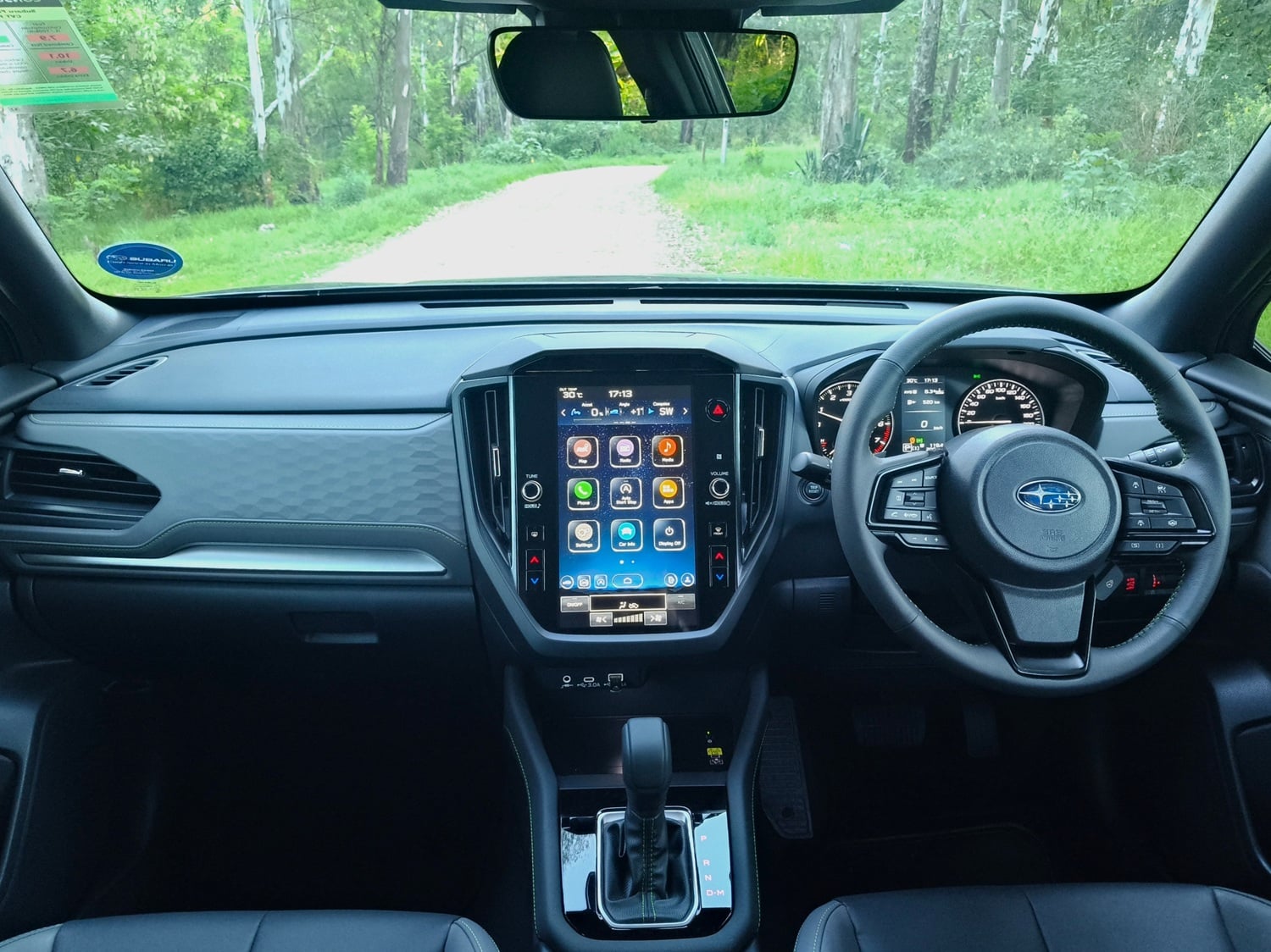
Solid and robust, but with soft-touch materials in places, the added functionality comes from the retention of physical buttons on the steering wheel and proper knobs for the audio system.
What’s more, a fully digital instrument cluster is absent across all models, its only lingering aspect being a TFT display between the analogue speedometer and tachometer.
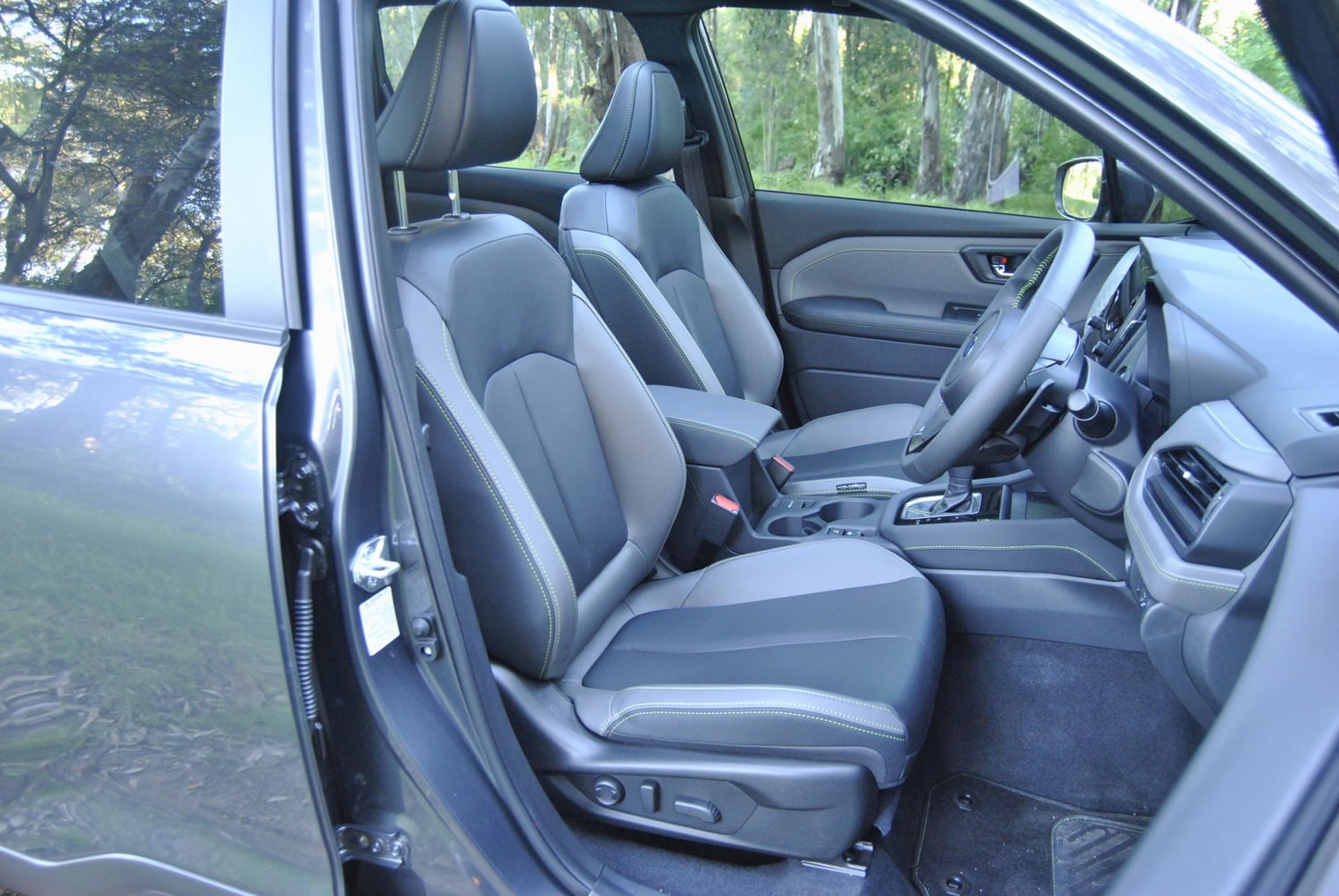
As with its predecessor, the previous orange stitchwork on the seats, doors and Sport badging on the floor mats are now green, which arguably appears more inviting in breaking up the swaths of black and grey plastics. The seats also retain the water-repellent polyurethane finish as before.
Taking pride of place, the updated 11.6-inch Starlink infotainment display not only has wired Apple CarPlay and wireless Android Auto, but also embedded satellite navigation and remains as easy to decipher as ever.
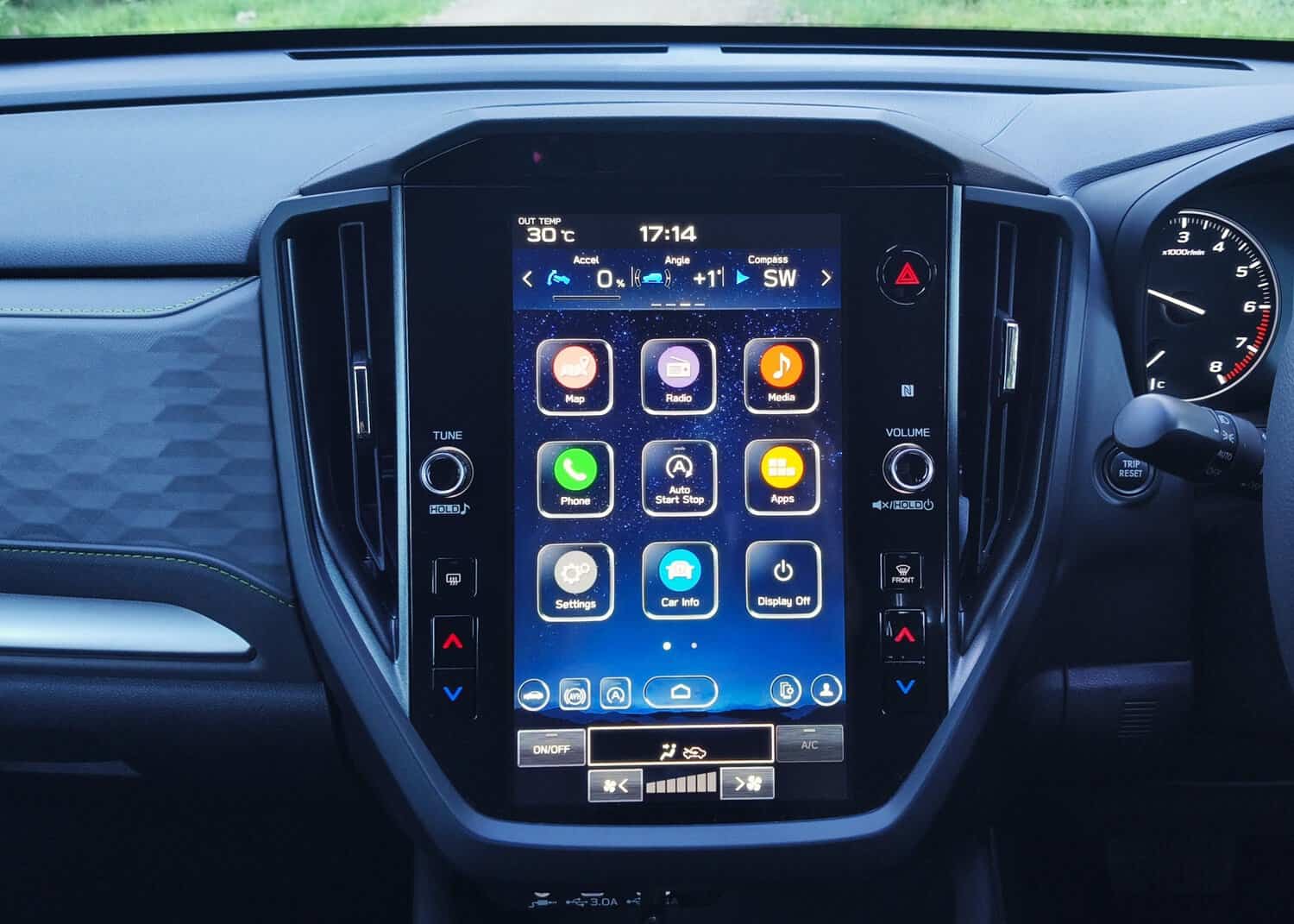
Logically laid out, despite some of the lower icons being on the small side, the display still serves as the interface for the dual-zone climate control. However, it is simple to use without resorting to sub-menus to change the direction of the airflow.
Touch-sensitive buttons feature on the outer surround of the display and, although a plus, will require constant cleaning against the black outer finish.
Practical
Subaru’s focus on family motoring as opposed to its loutish World Rally Championship past means the Forester doesn’t skimp on comfort or practicality.
In addition to being spacious up front, rear passenger head and legroom are excellent, with the massive dual-pane panoramic sunroof failing to encroach on headroom.
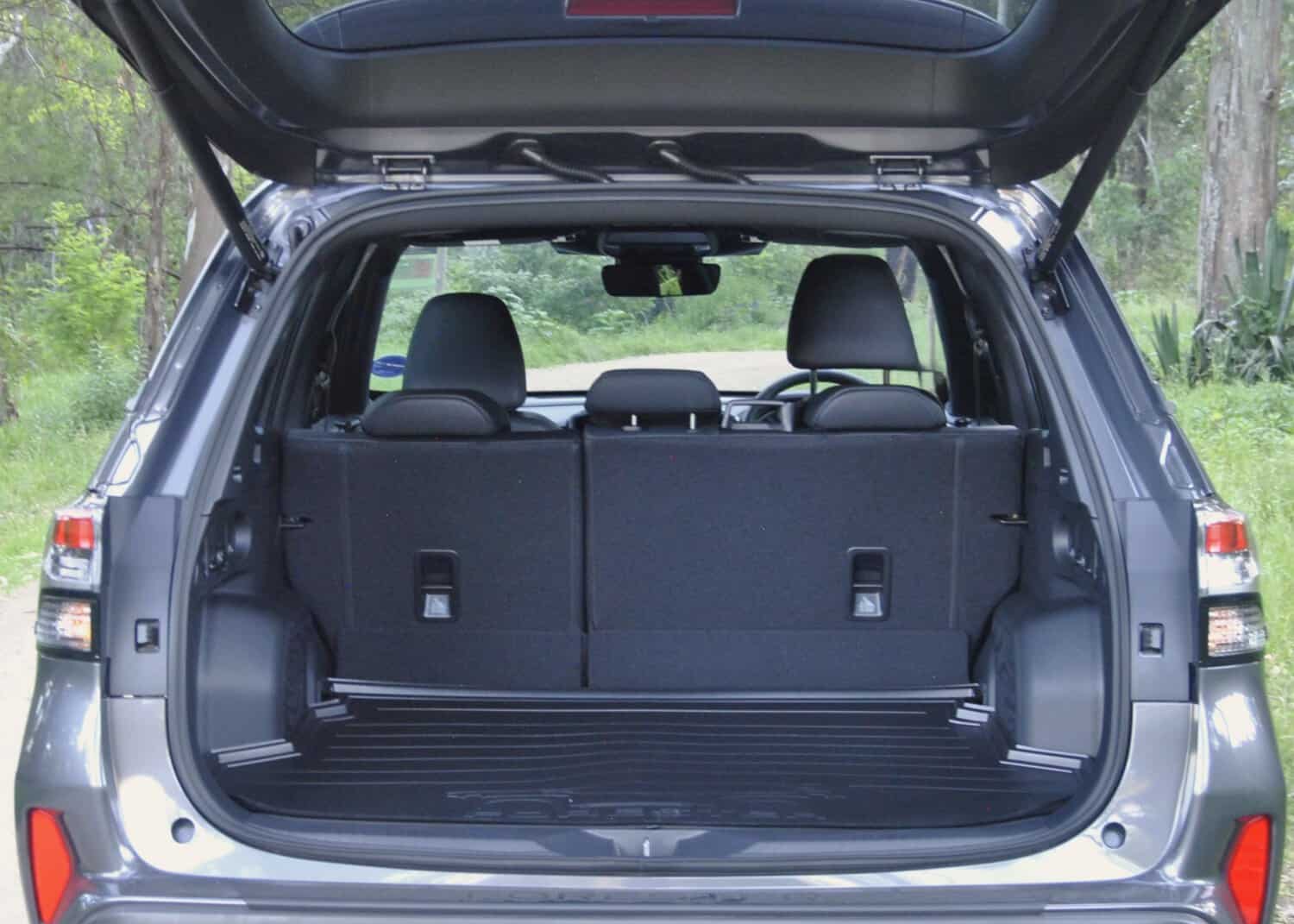
Opening the hands-free electric tailgate unlocks an equally practical boot capable of swallowing 496 litres, or 1 174 litres with the split rear seats folded down. In fact, the only irritation is the floppy parcel shelf.
Spec
Additional specification items not mentioned include:
- LED headlights;
- rain sense wipers;
- LED fog lamps;
- push-button start;
- dual-zone climate control;
- leather-wrapped steering wheel;
- six-speaker sound system;
- keyless entry;
- electric front seats;
- wireless smartphone charging pad;
- type-A and type-C USB ports; and
- heated steering wheel.
Familiar story up front
Pressing the starter button and selecting Drive is where the Forester’s well-known drawback, sadly, continues to show.
Said to have been tweaked at its global debut, the 2.5 litre flat-four develops the same 136kW as before, but gains eight Newton-metres of torque for a total of 247Nm.
Tipping the scales at a more than class-acceptable 1 635kg, the revisions have resulted in an engine more than willing to rev and perform, but only when exploring the upper regions of the tachometer.
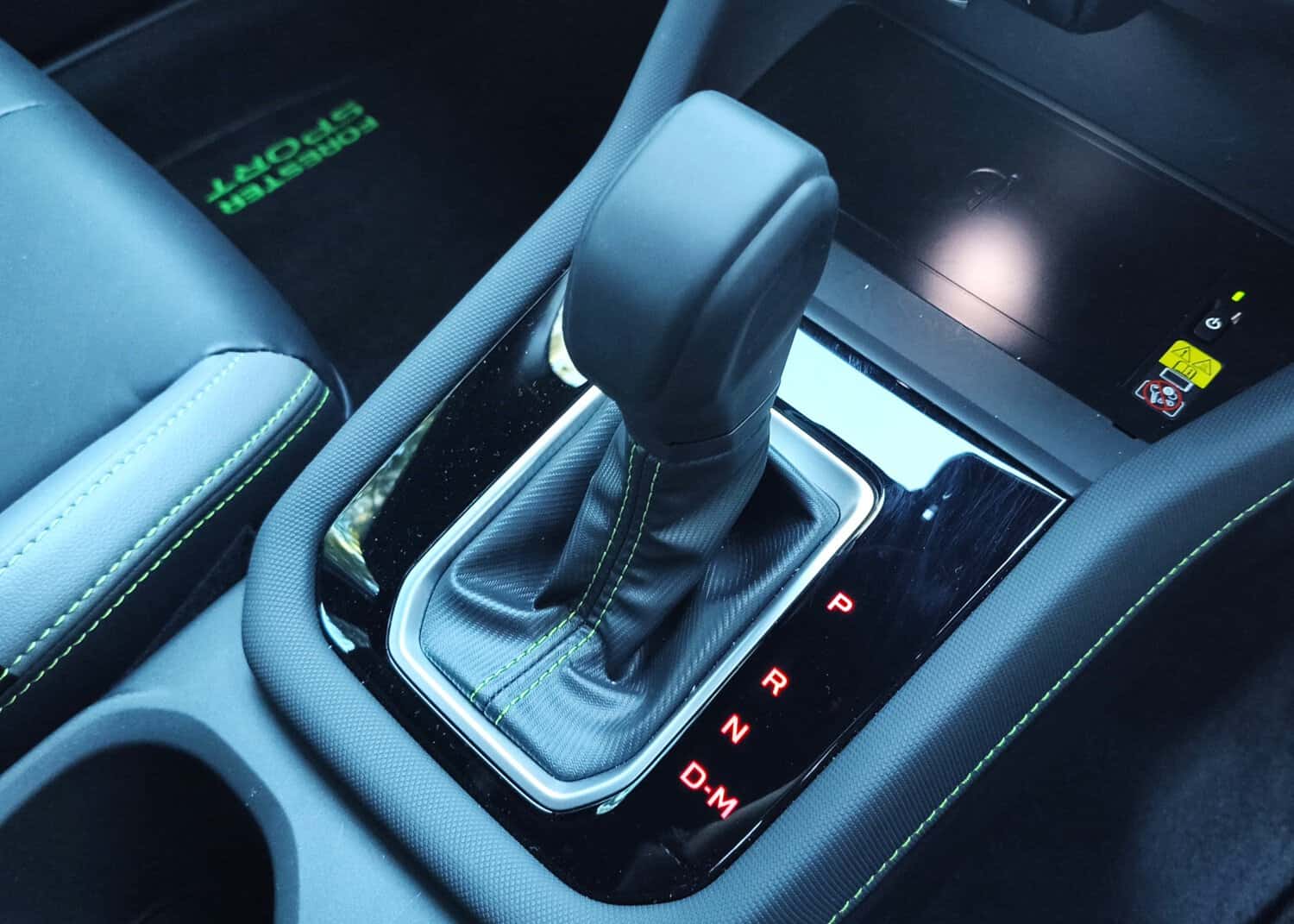
The supposedly “new” CVT is equally predictable; unobtrusive and smooth at slow speeds, but sluggish and with the typical drone when pressing on.
As part of the SI Drive mode selector, switching the transmission to manual mode and using the paddle shifters incrementally improves engagement, but with a noticeable jerk motion and not as comparatively slick as leaving it to its own devices.
For the most part, the box behaves and combines with a well-sorted and dampened ride to provide a largely pleasant experience behind the wheel.
Safety
However, some of the features of Subaru’s latest and still best-in-class EyeSight system are too intrusive and switch back on automatically once the ignition is turned on.
Making up the system is the following:
- nine airbags;
- 360-degree camera system;
- forward facing camera;
- rear parking sensors;
- adaptive cruise control;
- autonomous emergency steering;
- pre-collision throttle management;
- lead vehicle alert;
- emergency steering assist;
- lane departure warning;
- auto high beam assist;
- driver attention alert
- lane centring;
- blind spot monitoring; and
- reverse automatic braking.
On the move
Quiet, refined and comfortable on the move, the Sport’s go-anywhere ability involves the standard fitting of the X-Mode drive selector and hill descent control.
While putting this and its claimed 220mm of ground clearance to use didn’t materialise on the road, it feels composed and surefooted, a result of the relentless grip provided by the symmetrical all-wheel-drive system.
What also surprised, and no doubt a nod to the WRX STI, is the communicative feel of the steering that inspires confidence to exploit the Forester’s dynamics a bit more than ordinarily expected.
Consumption
Given its mass and a powertrain anticipated to suffer at altitude, fuel consumption surprised as the week-long stay and 334km covered saw a best of 7.4L/100km being displayed on the TFT display, 0.5L/100km up on Subaru’s claim.
Conclusion
As much as Subaru has probably made peace with the fact that mainstream success in South Africa isn’t going to happen anytime soon, the Forester rates as a solid and exceptional left-field offering as the voiceover in the marketing material claims.
While likely to be seen as under-equipped and nowhere near the value proposition of many Chinese products, the R790 000 Forester’s track record needs little explaining.
Not the performance bastion that Subarus of old are still revered for, the Forester Sport is nonetheless well packaged, properly engineered and a definite option if something different from the mainstream norm appeals the most.