
Over 30 000 sanitary pads donated to government for vulnerable women and girls
The Department of Social Development said feminine product donations would be distributed to those who need them the most.
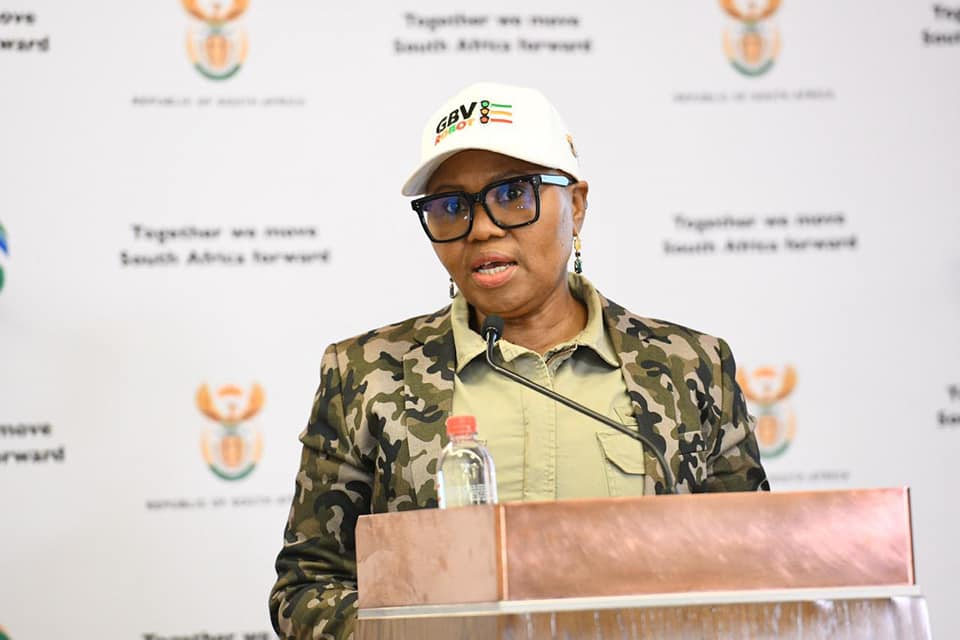
Over 30 000 sanitary pads were donated by societal stakeholders to the Department of Social Development for vulnerable women and girls across the country as part of social relief interventions amid the Covid-19 outbreak.
Minister Lindiwe Zulu said the feminine products donations would be distributed to those who need it the most, especially those who live in remote areas of the country.
Most young women in rural parts of the country access this health essential at schools and with schools closed, many struggle.
The products were donated by Water Aid Southern Africa, United Nations in South Africa, Footprints Foundation and the Langelihle Youth Foundation.
Zulu said among those who would benefit were women and girls in child and youth care centres (CYCC) shelters for victims of crime and gender-based violence, facilities for persons with disabilities, shelters for the homeless and Thuthuzela care centres.
Girls in communities who are part of some of the sanitary aid programs at non-governmental organisations would also benefit.
“We are thankful for the contributions made; however, this is not enough, more still needs to be done to reach the most vulnerable in our society at this time of need,” she said.
Zulu, with presidency for women, youth and persons with disabilities minister Maite Nkoana-Mashabane, made a call to manufacturers to partner with women to teach them how to produce the product.
“Can the producers make sure that, as we rise out of Covid-19, women not struggle to be part of the production of the thing that matters most to them. Women need to take part in the manufacturing of sanitary pads,” she said.
Zulu ensured donors that the department would make sure the products do not end up being sold in the streets, but reach those who need them.
UN Population Fund spokesperson Beatrice Mutali said the provision of sanitary pads was essential for the reproductive health of many young women.
She said access to menstrual health products remains a constraint in the lives of many South Africans and across Africa.
“The lack of access hinders the productivity activity of girls and women,” she said.
Water Aid Southern Africa region leader Robert Kampala said many societal stakeholders had pad drives at schools, but could no longer provide them due to Covid-19.
“We all need to assist and ensure sanitary products are available during the lockdown and beyond. Periods do not stop during the pandemic,” he said.
Over 30 000 sanitary towels, 10 000 soaps and over 4525 masks were donated along with Covid-19 educational posters.
Notice: Coronavirus reporting at Caxton Local Media aims to combat fake news.
Dear reader,
As your local news provider, we have the duty of keeping you factually informed on Covid-19 developments. As you may have noticed, mis- and disinformation (also known as “fake news”) is circulating online. Caxton Local Media is determined to filter through the masses of information doing the rounds and to separate truth from untruth in order to keep you adequately informed. Local newsrooms follow a strict pre-publication fact-checking protocol. A national task team has been established to assist in bringing you credible news reports on Covid-19.
Readers with any comments or queries may contact National Group Editor Irma Green (irma@caxton.co.za) or Legal Adviser Helene Eloff (helene@caxton.co.za).
Read original story on rekordmoot.co.za

