
Scrapping of e-tolls in Gauteng hits a speed bump
Sorry folks, but last week’s national news headlines that e-toll were a thing of the past had the champagne corks popping too soon – they are here to stay for now.
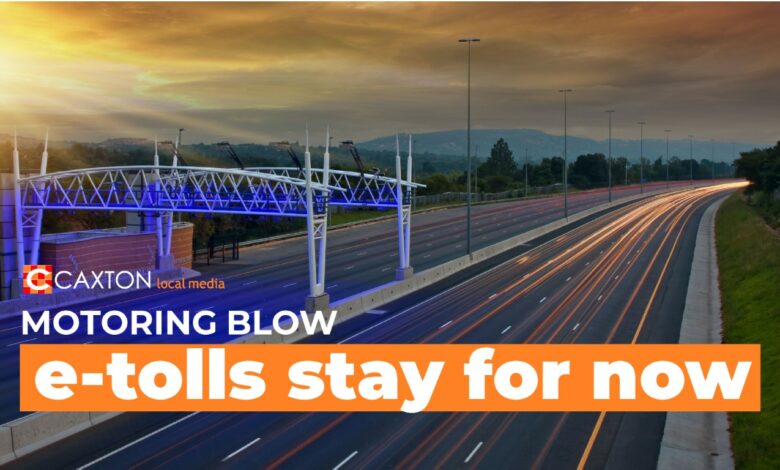
Until an alternative long-term method of financing is determined, it will be business as usual for e-tolls in Gauteng.
Last week, it seemed Finance Minister Enoch Godongwana dealt the highly contentious e-toll system in Gauteng its final blow when he announced during his mid-term budget speech that government would take over 70% of the South African National Roads Agency’s (Sanral) e-toll debt of over R45.9b.
During a press briefing before his speech, Godongwana said the following:
“For the past seven years, we’ve been dilly-dallying on this issue, which has impacted negatively on Sanral’s balance sheet. Therefore, we’ve come to the conclusion that we have to close this matter once and for all.”
However, in a statement released yesterday, Godongwana said Sanral has a statutory obligation to collect any e-toll fees dues to them until a notice is gazetted that says otherwise.
According to Treasury, for this to happen, the Gauteng government needs to find an alternative long-term method to collect revenue from road users who have been paying their e-toll fees and those who have not paid. It is estimated that between only 15 and 20% of motorists actually pay their e-tolls.
Newly elected Gauteng Premier Panyaza Lesufi hinted at alternative revenue collection in a tweet after Godongwana’s announcement, saying they have agreed to the formulation of a new revenue enhancement model which excludes tolling.
“We are now ready to start a new life without e-tolls in Gauteng. This was not an easy decision but necessary,” he wrote.
Just over three weeks ago, Sanral told Parliament’s portfolio committee on transport that it is expected to lose out on e-toll revenue of R10.1b as a result of its ‘inability to enforce revenue collection’ in Gauteng. In its 2021/2022 annual report, Sanral also called the e-toll system ‘a burden on its entire portfolio’.
The Gauteng Freeway Improvement Project implemented e-tolls as its funding mechanism in December 2013 under the auspices of Sanral, with the 201km road network comprising only 1% of the national road network managed by Sanral. In the nearly 10 years since, the system has been met with strong resistance from road users.
One of e-tolls’ most vocal opponents has been the Organisation Undoing Tax Abuse (Outa), which has continuously called for the system’s scrapping.
After Godongwana’s budget speech last week, Outa CEO Wayne Duvenage said the e-toll conflict was one that seven ministers of transport, a trail of finance ministers and three presidents were unable to resolve.
“Sanral has received R22.4b from National Treasury since 2012, plus R230m a year from the Gauteng provincial government since the inception of the e-tolls scheme.
“Despite evidence-based research from Outa pointing to the scheme’s obvious failures, government persisted for years, resulting in the waste of billions of rand in taxpayers’ money on this expensive, irrational and overpriced collection scheme.”
Also read: End of the road for e-tolls
Read original story on rekord.co.za

