
Transport forum hears paying e-tolls vital to future investments
ETC chief executive officer Coenie Vermaak said the average road speed between Johannesburg and Pretoria would be below 10km/h by 2037 if nothing was done to improve the road infrastructure.
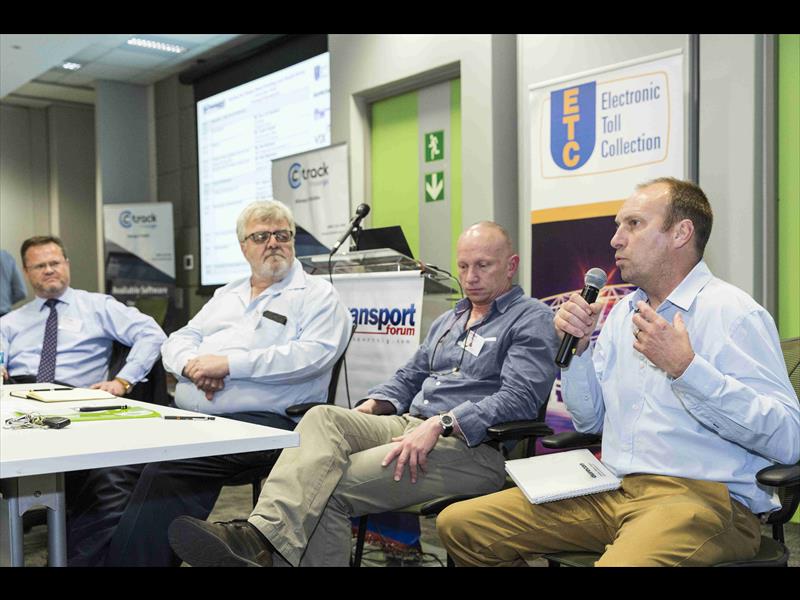
An estimate has been made that it would cost R2 trillion to fix South Africa’s road network, which would allegedly be unaffordable without e-tolls, Rekord Centurion reports.
This was the figure provided by the department of transport’s road infrastructure and industry development director Whity Maphakela.
He announced this during the transport forum event held in Lynnwood last week.
The event was facilitated by the Electronic Toll Collection (ETC) company which has been contracted by Sanral to collect e-toll debt.
“There are serious implications if we don’t maintain our roads,” Maphakela said.
“Delaying road maintenance by three or five years can increase the cost of repairs as much as eighteen-fold.”
Maphakela indicated that maintenance efforts at current funding levels were inadequate to address the backlog.
“Presently, there is an acute shortage of funds for road infrastructure implementation and maintenance programmes.”
“The growing backlog of deferred maintenance requires R197 billion, with the cost of poor roads largely felt by the road user.”
“In fact road users are said to carry an estimated R20 billion per year in costs due to failures in the current road network,” according to Maphakela.
Economist Mike Schussler, who served as programme director at the event, said funding the R2 trillion replacement cost of South Africa’s road network over a 10 year period without e-tolls would require a fuel levy of around R9 a litre or R18 000 in vehicle licence fees.
ETC chief executive officer Coenie Vermaak said the average road speed between Johannesburg and Pretoria would be below 10km/h by 2037 if nothing was done to improve the road infrastructure.
Vermaak indicated that e-toll collection currently sat at roughly 30%, less than half of the 70% envisaged.“We desperately need the funds. If we do not pay, we cannot unlock future economic investments.”
The Gauteng Freeway Improvement Project’s (GFIP) phased approach includes 201km of freeways for Phase 1.
Phase 2 of GFIP would add 158km of new routes whose construction was currently on hold.
Read original story on rekordcenturion.co.za

