The evolution of modern retail
What are retail stores doing to get feet in the door while online shopping grows.
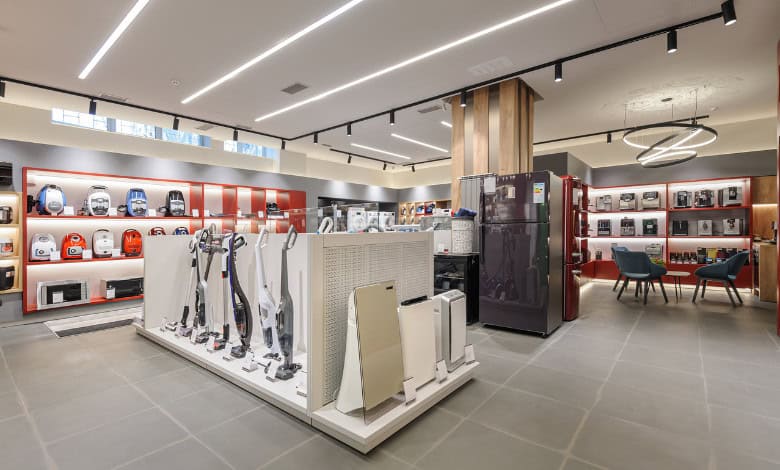
The rapid growth of eCommerce has fundamentally reshaped the global retail landscape, pushing retailers to rethink how physical stores engage with modern consumers.
But rather than diminishing the role of brick-and-mortar retail, this shift has accelerated the evolution of experience-led shopping destinations that continue to attract consumers, tenants and investors alike.
“It’s true that the rise of online shopping has fundamentally reshaped consumer behaviour,” says Justin Thom, a director at Galetti Corporate Real Estate. “But physical retail has evolved alongside it. Today, successful retail environments are those that create an experience that consumers can’t replicate online,” he adds.
The rise of experiential retail
The ongoing shift toward experiential retail has been particularly evident in the furniture, homeware and décor sectors, where tactile interaction, spatial visualisation and curated showroom experiences remain central to the purchasing journey.
Retail group giant TFG has doubled down on its physical retail investment, announcing in 2025 its plans to open more than 100 new stores while continuing to expand its omnichannel retail strategy across brands including @home, Coricraft and Volpes. The move reinforces growing confidence in curated physical shopping environments, particularly within the homeware and lifestyle categories
“Retailers are increasingly recognising the value of physical environments that strengthen customer engagement and long-term brand loyalty,” says Thom. “Consumers still want spaces where they can browse, discover products, interact with brands and enjoy a more immersive shopping experience.”
Why investors are backing resilient retail assets
Thom says the growing overlap between retail, hospitality and lifestyle offerings is increasingly shaping how investors assess retail property opportunities.
“We’re seeing growing investor interest in assets that offer diversified income streams, experiential components and strong positioning within established precincts.”
Confidence in resilient retail assets is also reflected in recent REIT performance. JSE-listed retail REIT Hyprop Investments, whose South African portfolio includes destination shopping malls Rosebank Mall and Canal Walk, reported a 12.9% increase in distributable income for the six months through December 2025 and increased turnover to R15.5b. The REITs gains were not limited to financial results, with trading density up 7.5%, improved foot traffic (+1.9%) and declining vacancy rates across its retail portfolio.
Location also remains central to the success of retail investment opportunities.
Sealed bid process creates a controlled route to market
As demand grows for well-positioned, income-producing retail and lifestyle assets, sealed bid processes are increasingly being used to create a structured and competitive environment for strategic purchasers. Unlike a public auction, a sealed bid process allows qualified buyers to engage with the opportunity through a controlled timetable, access detailed due diligence material, and submit their strongest offer within a defined framework.
Issued by Jess Gois