
Steamed rosemary yoghurt bread with no yeast and no kneading
This steamed rosemary bread uses yoghurt and bicarb instead of yeast, so there is no kneading or proving, and it cooks just 35 minutes.
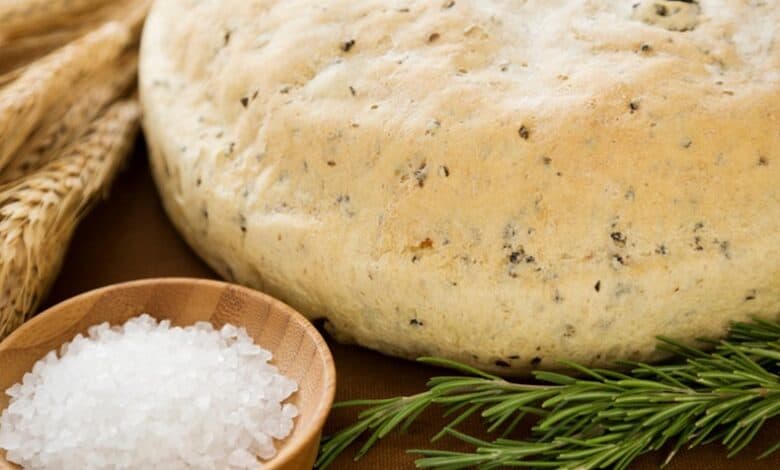
Bread doesn’t always need yeast or a floury worktop. Soda bread has been baked in Ireland for close to two centuries, using bicarbonate of soda instead of yeast, and this version works on the same idea. The bicarb reacts with the acid in the yoghurt to create bubbles, which lift the batter as it cooks. There’s no kneading, no proving and no waiting around for the dough to double in size. The other difference is the cooking method. Instead of baking, the bread is steamed in a covered tin inside a pressure cooker. Steamed breads have a long history around the world, from Chinese mantou to the steamed brown bread of New England, and the method gives a soft, moist crumb with a tender crust. Recipe compliments of Instant Pot.
Prep time: 5 minutes | Cooking time: 35 minutes, plus cooling | Servings: 4 to 6
Ingredients
- 15 ml olive oil, for greasing
- 250 g bread flour (about 445 ml)
- 10 ml bicarbonate of soda
- 5 ml salt
- 310 ml natural yoghurt
- 100 ml water
- 2 sprigs fresh rosemary
Method
- Brush an 18 cm springform cake tin with the olive oil.
- Mix the flour, bicarbonate of soda and salt together in a bowl.
- Slowly add the yoghurt and water and stir gently until smooth. The mixture will be looser than bread dough, so don’t expect it to hold its shape.
- Scrape the batter into the tin and strip the rosemary leaves over the top.
- Wrap the tin tightly in foil, making sure it is sealed all the way round so no moisture can get in.
- Pour 250 ml water into the inner pot of the Instant Pot and place the trivet inside. Lower the tin onto the trivet.
- Seal the lid, set the vent to the sealing position and select Pressure Cook on high for 35 minutes.
- Let the pressure release naturally. When the pin drops, open the lid carefully and lift out the tin.
- Peel back the foil slowly so no moisture drips onto the bread.
- Cool completely before removing the bread from the tin, then slice and serve.
Variations and tips:
- Check that the foil is sealed properly. Even a small gap lets steam in and makes the top soggy.
- Cooling completely helps the loaf set, so it slices cleanly instead of crumbling.
- Slices toast well the next day, and leftover bread keeps for two days in an airtight container.