Property buyers will focus on the fundamentals in 2026
In 2026, buyers will prioritise reliable infrastructure, good governance and long-term value, with confidence and fundamentals shaping where property demand grows.
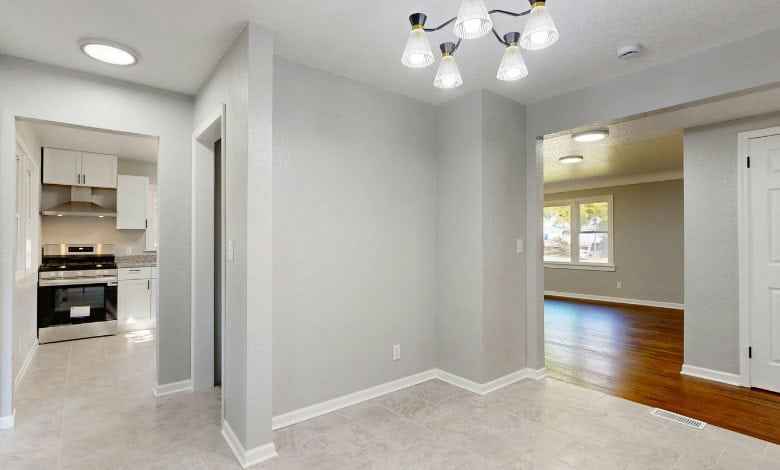
As 2026 starts to unfold, there is a quiet but growing sense of realism emerging about the South African residential property market. It is becoming very clear that the next 12 months are not going to be defined by any booms or busts, but rather by the steady separation of areas and property types that offer real value and security from those that do not.
That’s the word from Chas Everitt International CEO Berry Everitt, who says that the fundamentals of confidence, functional infrastructure and good governance will increasingly determine where investment flows – and where it doesn’t.
“In line with that, we expect that Cape Town and the Western Cape will continue to lead the country in house price growth for now. This region’s consistent performance over the past few years has not just been about lifestyle appeal; it has also been about functioning infrastructure, fiscal discipline and the delivery of basic services.
“Families and investors have been moving to this region confident that the lights will stay on, that water will run out of their taps, that refuse will be collected and that roads will be repaired. In the process, this basic reliability has become the new premium and the result is a local market driven by scarcity and high demand, with supply pressure continuing to push prices higher.”
In contrast, he says, Johannesburg, Pretoria and Durban are all still struggling under the weight of decaying infrastructure and governance failures, despite recent efforts to rectify these. “Without electricity, water, transport and waste systems that work, even the most desirable suburbs and cities can lose value. However, these cities are all vital economic centres whose wellbeing is essential to the health of the national real estate market.
“Johannesburg alone contributes around 16% of South Africa’s GDP and is still a major magnet for business, entrepreneurship and, lately, a rising number of international corporate investors who view it as the most viable and stable gateway to the burgeoning markets of Africa, especially now that the African Continental Free Trade Agreement is starting to bear fruit. Consequently, we are pleased with the progress that has been made by the Presidential Working Group in conjunction with local government and the business sector on the much-needed revival and restoration of the city and hope that these efforts will continue.”
Meanwhile, says Everitt, confidence in the market is growing as the broader economic backdrop improves. “Growth has inched up, SA has been removed from both the Financial Action Task Force Grey List and the EU list of list of high-risk third country jurisdictions, the Rand is stronger than it has been in years and inflation remains under control.
“The Reserve Bank’s rate cuts of the past year – with more expected to come – have also provided significant relief to both existing homeowners and new buyers, and there is no shortage of demand at this stage, but affordability remains constrained by weak job creation.
“So for the market to thrive in the longer term, we must keep our focus on further economic expansion, employment, good governance and investor-friendly policies that keep building consumer and business confidence into the future.”
Against this complex backdrop, he says, several strong segments are expected to stand out in 2026. “For example, secure complexes and lifestyle estates will remain highly sought-after, driven by the twin desires for safety and wellness. The concept of luxury has evolved beyond aesthetics or size; it now encompasses peace of mind, health and resilience, and as a result, buyers want communities that function independently, with security, solar energy and water solutions built in.
“These same factors are also influencing the growing popularity of smaller, greener homes, as sustainability shifts from being a lifestyle choice to a financial calculation. Indeed, we believe green certification is poised to play a major role in the next property cycle, and a new collaboration between Standard Bank, regulators and Chas Everitt aims to measure and certify the energy performance of homes, linking green features directly to their financial value.”
Buyer behaviour also continues to evolve, says Everitt. “The old worry about commuting distances has been overtaken by more pressing concerns: is the area safe, are services reliable and will the home function during outages? Security, quality of life and resilience are the new non-negotiables.
“This shift is also still driving movement away from major metros toward smaller “lifestyle towns” on the Garden Route, in the Boland and along KwaZulu-Natal’s North Coast, especially among those who are not geographically bound to a specific workplace. These towns, with their stable infrastructure and strong sense of community, are fast becoming permanent relocation destinations rather than holiday spots.”
And finally, technology is another major force reshaping the industry. He says real estate has become a race of responsiveness, where “speed to lead” determines success, which is why Chas Everitt has embraced AI lead generation, instant WhatsApp engagement, digital property reports, agent videography and virtual tours – and why it is pioneering the use of AI in its marketing to ensure that every listing, every agent and every campaign has maximum reach and impact.
“Our brand is a leader in this space, not only at a corporate level but right down to the local agent. But we are also acutely aware that these tools do not and cannot replace the human element of property transactions. Their purpose is to enable our agents to be faster, more visible and more relevant, so that they can build closer relationships with clients that are based on trust, knowledge and personal guidance.
“And having said that, the overarching challenge for the real estate sector in 2026, we think, will be helping to restore faith in public institutions. Where government falls short, trusted property professionals will need to fill the gaps, offering stability, expertise and integrity. The South African housing market is resilient by nature, and its people are resourceful. But the direction of the next 12 months is clear: growth will follow confidence, confidence will follow good governance, and where infrastructure and sustainability meet, the market will flourish.”
Issued by Chas Everitt International