The hidden costs of renting
Property experts recommend that tenants budget beyond just the monthly rent.
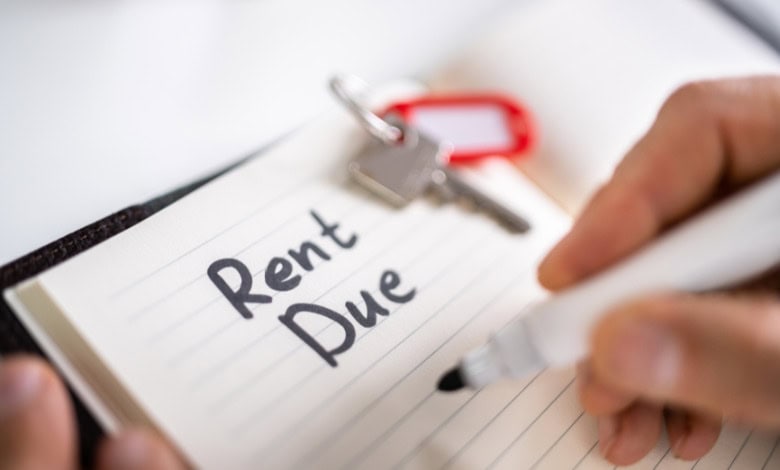
Utility costs, municipal services, and maintenance are a few examples of additional costs associated with renting a property. It is important to know and include these costs when budgeting.
As rental prices continue to climb across many parts of SA, tenants are increasingly focused on securing a property that fits within their monthly budget. However, while the advertised rental amount may appear manageable, many renters underestimate the added costs that come with leasing a home. Understanding these hidden expenses is essential for effective financial planning and long-term stability.
“Renters often focus primarily on the monthly rental amount when evaluating affordability, but the true cost of renting extends far beyond that figure. To avoid financial strain, tenants need to take a comprehensive view of all related expenses and ensure that their overall housing costs align with their income and lifestyle,” says Adrian Goslett, CEO and regional director of REMAX Southern Africa.
One of the most commonly overlooked costs is the rental deposit. Usually this upfront payment amounts to one or two months’ rent and can place significant pressure on tenants’ cash flow at the start of a lease. Additionally, tenants may also be required to pay the first month’s rent in advance, alongside any administrative or lease preparation fees.
Utility costs are also an important consideration. While some rental properties include certain utilities in the monthly rent, most require tenants to cover electricity, water, and refuse removal separately.
Municipal services and levies can further impact a tenant’s monthly budget. In some cases, landlords may have specific charges such as refuse or basic service fees that they require tenants to pay. Prospective renters should carefully review their lease agreements to understand exactly which costs they are liable for before signing.
While landlords are generally responsible for structural maintenance and major repairs. Tenants are often expected to cover the cost of day-to-day upkeep. For example, replacing light bulbs, maintaining gardens (if applicable), and addressing minor plumbing or wear-and-tear issues. Over time, these small expenses can also add up.
For tenants moving into secure estates or apartment complexes, additional costs may include parking bay rentals, access tag deposits, or penalties for lost remotes and access cards.
Insurance is another important, yet often neglected, consideration. While landlords insure the building itself, tenants are responsible for insuring their personal belongings. Without adequate contents insurance, renters risk significant financial loss in the event of theft, fire, or even water damage.
Inflation and annual rental escalations also need to be factored into long-term affordability. Most lease agreements include an annual escalation clause, typically ranging between 5% and 10%. Tenants who stretch their budget to secure a property may find themselves under pressure when the rent increases at renewal time.
Careful planning and transparent communication with landlords or rental agents can help tenants avoid financial surprises. Prospective renters are encouraged to request a full breakdown of expected monthly and once-off costs before committing to a lease. Creating a detailed housing budget that includes rent, utilities, insurance, transport, and an emergency fund can provide greater financial security.
“When it comes to renting, true affordability requires looking beyond the headline rental figure. By understanding and preparing for the hidden costs associated with renting, tenants can make more informed decisions and protect their financial wellbeing in the long term. Relying on the advice of a reliable rental agent can also help tenants avoid costly mistakes,” Goslett concludes.
Issued by Kesia Abrahams