Lifestyle
Survival guide to keep pollen allergies at bay
With these seven tips, you’ll be able to enjoy the warmer weather without all the sneezing and itching.
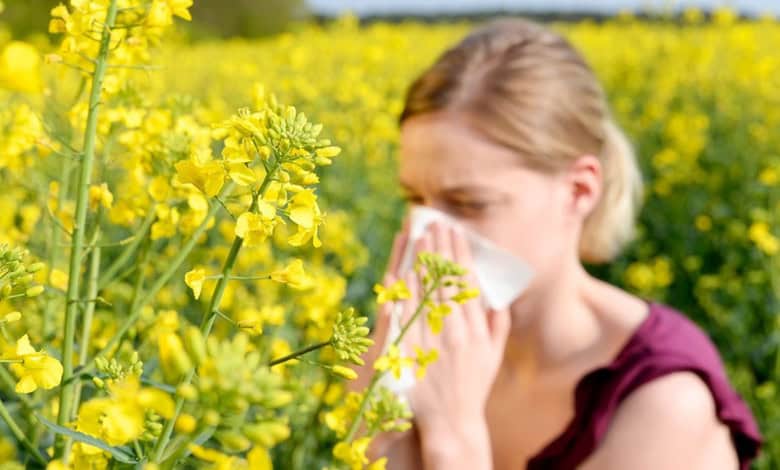
With the warmer weather and greener nature comes constant sneezing, nasal congestion and itchy eyes for those who suffer from pollen allergies.
The good news is, that with a few small changes to your environment and some new cleaning habits, you could banish those allergies and enjoy spring for the beautiful season it is. Take a look at this quick survival guide from The Allergy Foundation of South Africa (AFSA) to help manage allergies in and around your home:
- Clean regularly with the right products: During the pollen-heavy months, maintaining a clean living space is essential for reducing exposure to allergens like pollen and dust. Regularly cleaning your floors, surfaces, windowsills and upholstery can help minimise the allergen load in your home. TIP: Opt for a vacuum cleaner with a HEPA filter, as these trap allergens effectively, preventing them from going back into the air. Use hypo-allergenic cleaning products with the Allergy foundation of South Africa (AFSA) seal of approval (SOA) as these don’t contain harsh chemicals that could cause allergies.
- Wash fabrics with allergy-friendly laundry detergents
Pollen clings to fabrics, and house dust mites live in bedding and other soft furnishings. That’s why it’s important to regularly wash your clothes, bedding, and other textiles to reduce allergens effectively without using any harsh chemicals and detergents that can damage your skin. Choose SOA-endorsed allergy-friendly laundry detergents that are hypoallergenic and free from harsh fragrances and chemicals that can irritate sensitive skin. - Invest in air purification
Improving the air quality in your home is one of the most effective ways to reduce exposure to pollen and other airborne allergens. Again, choose an air purifier with a HEPA filter to help remove a high percentage of airborne allergens such as pollen, mould spores, and dust mites.
For those dealing with dampness in addition to allergens, dehumidifiers can also help prevent the growth of mould—another common allergy trigger. - Manage symptoms with nasal sprays and OTC medications
As pollen levels rise, nasal congestion, sneezing, and itchy eyes can become persistent issues. Nasal sprays and over-the-counter (OTC) antihistamines can help manage these symptoms effectively. - Monitor pollen levels and adjust outdoor activities
Tracking pollen levels can help you plan your outdoor activities and reduce exposure to allergens. Pollen levels tend to be higher in the early morning and late afternoon, so try to avoid outdoor activities during these peak times. Use a pollen tracker to keep you up to date with the pollen in your area. After spending time outdoors, shower and change clothes to remove any pollen that may have stuck to your skin or hair. - Create an allergen-free bedroom
Your bedroom should be a safe, allergen-free space where you can rest and recover from exposure to allergens during the day. Regularly cleaning and using protective bedding can help create an allergen-free zone. Try house dust mite covers on pillows and duvets, which prevent mites from getting through into the bedding while still allowing air to pass through. Bedding should also be washed regularly at a high temperature to kill the mites. - Take care of your skin
Pollen exposure can cause skin irritation, particularly for people with sensitive skin or eczema. Using hypoallergenic emollients can soothe and protect your skin during allergy season.
For more on health, visit Get It Magazine.