How a VAT increase will impact your grocery bill
The Value Added Tax rate is set to rise, pushing up grocery and utility costs, with low-income households and small businesses expected to feel the biggest impact.
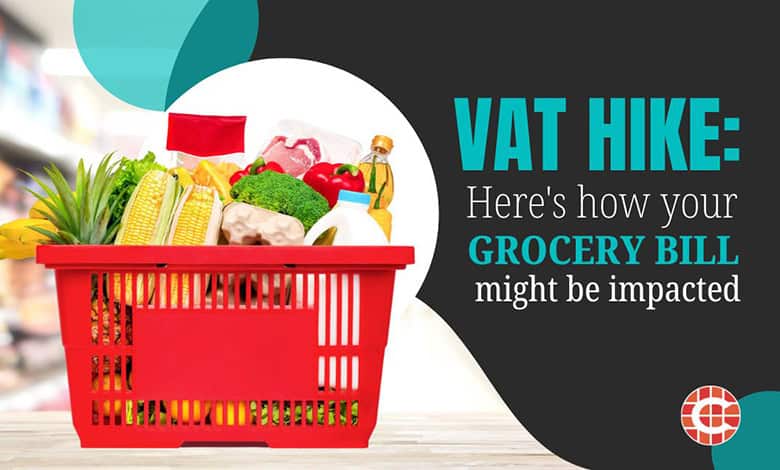
South Africans will soon pay more for everyday essentials as the government considers increasing Value Added Tax (VAT).
Finance Minister Enoch Godongwana announced in the 2025 Budget Speech that the government proposes raising South Africa’s VAT rate by 0.5 percentage points in 2025/26 and another 0.5 percentage points in 2026/27.
This will bring the VAT rate to 16% in 2026/27. The proposed hike has sparked concern, particularly among low-income households already struggling with rising costs.
How the VAT hike will affect grocery bills
If implemented, the VAT increase will apply to nearly all goods and services, excluding a limited number of zero-rated food items. According to the Pietermaritzburg Economic Justice and Dignity Group (PMBEJD), a household’s basic grocery basket could increase by approximately R375.16, bringing the total cost to R5 477.84. Essential toiletries and domestic products will also rise by R154.57, reaching R1 063.82. These increases, combined with a 12.7% electricity price hike, will place additional financial strain on households.
Read more: What a R100 could get you in 1995 vs today
Who will be hardest hit?
The proposed VAT hike is expected to disproportionately impact low-income households, who already spend a significant portion of their income on food, electricity, and other essentials. PMBEJD warns that the increase could deepen poverty, widen economic inequality, and push more families into financial distress.
Small businesses may also struggle, as rising operational costs could reduce competitiveness, potentially leading to job losses and an economic slowdown.
Which grocery items are VAT-free?
While most goods will become more expensive, some staple food items remain VAT-exempt, helping to cushion the impact for lower-income households. These include:
- Brown bread
- Maize meal
- Rice
- Vegetables
- Samp
- Fruit
- Mealie rice
- Vegetable oil
- Dried mealies
- Milk
- Dried beans
- Cultured milk
- Lentils
- Brown wheaten meal
- Pilchards/sardines in tins
- Eggs
- Milk powder
- Edible legumes
- Dairy powder blend
- Pulses of leguminous plants
As of May 1, additional zero-rated food items include edible offal from sheep, poultry, goats, swine, and bovine animals; dairy liquid blends; and tinned or canned vegetables.
Is there an alternative?
Economic experts and advocacy groups argue that increasing VAT is not the best solution to South Africa’s fiscal challenges. PMBEJD suggests exploring alternative revenue sources to prevent further economic hardship, particularly for the most vulnerable communities.
With living costs already rising, a VAT hike could make everyday essentials even less affordable. As the debate continues, households are advised to budget wisely and maximise VAT-free food options to mitigate the impact.
Also read: These provinces have the most expensive grocery prices in South Africa
The post How a VAT increase will impact your grocery bill appeared first on Food & Home Magazine.