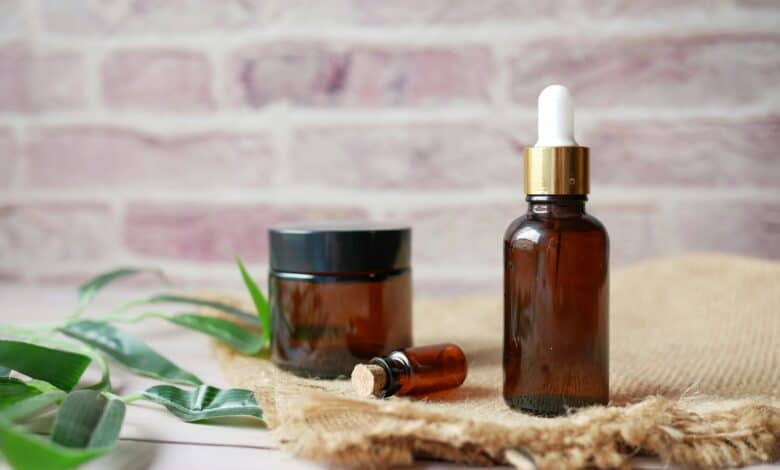
The global beauty trends in 2026 will be shaped by these four innovative, active ingredients.
- South Korea: PDRN and spicules
South Korea remains a driver of innovation. PDRN (polydeoxyribonucleotide), animal- or plant-derived DNA fragments, promotes cell regeneration and wound healing. Combined with lotus extract – known for its antioxidant and anti-inflammatory effects – it strengthens skin from within.
Spicules, on the other hand, are tiny, needle-like structures from marine sponges that increase skin microcirculation and are nature’s answer to microneedling.
- New Zealand: Kanuka instead of Manuka
Kanuka oil is emerging as the “new Manuka”: antibacterial, anti‑inflammatory, and extra gentle on the skin. It fights blemishes, redness, and micro‑inflammation. Thanks to sustainable cultivation, it has become a favorite in natural dermocosmetics.
- Europe: Upcycled ingredients
Upcycling defines Europe’s next generation of sustainable cosmetics. What once counted as waste – like fruit seeds, peels, or coffee grounds – is now transformed into cosmetic ingredients via modern biotechnology.
Typical examples include:
- Grape seed extract from winemaking: rich in polyphenols and antioxidants, supports the skin barrier and protects against free radicals
- Coffee extract: boosts microcirculation, reduces puffiness, and energizes
- Apple and citrus peel extracts: provide AHAs and vitamin C for a more even complexion
- Grain husks or nut residues: serve as natural exfoliants in clean beauty formulas
- USA: Bakuchiol
In the U.S., bakuchiol – found in the Psoralea corylifolia plant – is on the rise. As a natural, skin‑friendly alternative to retinol, bakuchiol delivers comparable anti‑aging benefits without common side effects like irritation, redness, or photosensitivity.
Find out more by visiting ADA Cosmetics.